
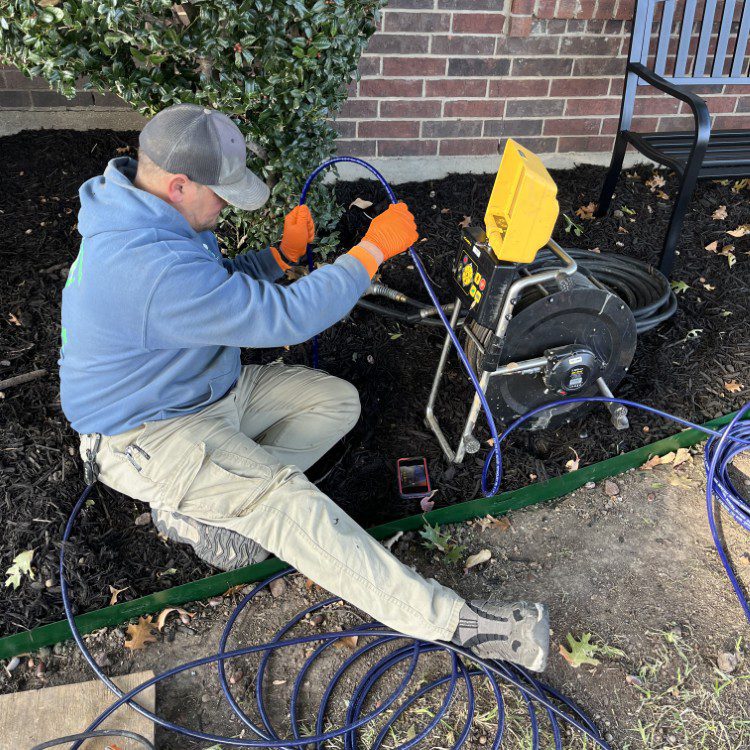
Slab Leak Detection: Signs, Causes, Repair Insights
A few months after a summer landscaping project, a homeowner in The Colony noticed something that didn’t quite add up: their irrigation system seemed “off,” but the sprinkler heads were fine. Then the water bill climbed again—this time without any obvious new fixtures running. A day later, they heard an occasional faint hissing sound near an interior wall. No puddles. No wet spots. Just a rising bill and a nagging feeling that the plumbing was quietly losing water somewhere it shouldn’t.
In North Texas—especially with many slab-on-grade homes—leaks can hide under concrete for weeks or months. The longer a slab leak goes undetected, the more likely it is to damage flooring, weaken soil support around the foundation, and create mold-friendly moisture conditions inside walls and ceilings.
Quick Answer
A slab leak is a plumbing leak that occurs under a concrete foundation slab (water supply lines, drain lines, or sometimes pressure/utility piping). Common signs include unexplained water bill spikes, warm spots on the floor, low water pressure, recurring “running” sounds, or moisture/musty odors where you can’t see a leak.
Professional slab leak detection typically uses non-invasive listening, pressure testing, and moisture/temperature checks, and when needed, advanced locating methods to pinpoint the line before repairs begin. Early detection usually reduces repair scope and prevents foundation-related complications.
What Homeowners Often Ignore
Most slab leaks aren’t dramatic at first. They’re more like slow problems—leaks that don’t flood your home, so homeowners assume everything is “fine.”
Here are the warning signs we see most often:
- Water bills that rise without a matching change in habits
- More laundry, longer showers, more guests—sure. But sometimes the numbers climb even when usage stays steady.
- Intermittent sounds
- Hissing, clicking, or a faint trickle that appears at certain times (often when a valve cycles, a toilet refills, or a water heater runs).
- Warm tiles or soft spots
- If a hot/cold line is leaking under the slab, you may notice localized warmth, or in some cases, subtle floor movement.
- Dampness near baseboards or at corners
- Moisture can show up later, after the leak has already spread under the slab.
- Low water pressure
- Not always, but when pressure drops, it can indicate a leak reducing system pressure.
- Musty odors
- Hidden moisture behind walls or under floors can create that “stale” smell long before you see visible damage.
Common causes we commonly find
Slab leaks often come down to one of these:
- Pipe corrosion (more common in older systems)
- Joint failure (especially around fittings)
- Shifting or movement of the foundation over time
- Wear and tear from water pressure fluctuations
- Freeze/thaw stress (less common than in colder climates, but Texas temperature swings can still stress some systems)
The Technician Reality: What We Commonly See in North Texas Homes
In the field, slab leak detection usually starts with a pattern—not a guess.
On one recent service call (anonymized), we were asked to check a “mystery” water loss reported after a homeowner installed new landscaping and noticed a higher bill. There were no puddles. No obvious moisture in the yard. When we checked meter behavior, the numbers were still shifting when the home should have been using very little water.
First technician observation: the leak noise wasn’t constant. It showed up during specific water-demand periods—exactly the kind of thing that can mislead homeowners into thinking it’s a toilet fill valve or sprinkler system. Once we isolated the plumbing zones and listened methodically, we found that the sound profile matched underground piping rather than a visible supply fixture.
That’s a common theme in The Colony and across the Dallas-area: slab leaks often appear “random” because the flow rate changes when certain fixtures run. If the leak is small, it may only be audible at certain times—or not at all—until you test under controlled conditions.
Why Some Plumbing Repairs Fail Early
A quick repair attempt can sometimes make things worse—not because plumbers don’t care, but because the root location wasn’t confirmed.
Here are a few failure points we see when detection isn’t thorough:
- Repairs made without confirming the exact pipe segment
- Slab work is invasive; opening the wrong area can increase cost and delay the real fix.
- Pressure tests done without accounting for system behavior
- Water heaters, pressure regulators, and even minor toilet leaks can affect results.
- Ignoring foundation movement indicators
- If the slab has shifted, the pipe may have stress points at multiple locations, not just one.
- Not addressing water pressure issues
- If a pressure regulator is malfunctioning or pressure is too high, a repaired line can fail again.
For homeowners, the takeaway is simple: the detection process isn’t “extra.” It’s what keeps the repair from turning into a recurring project.
Signs You Need Plumbing Repairs
If you’re unsure whether you’re dealing with a slab leak, here are practical indicators that warrant professional diagnosis:
- Your water meter shows usage when no fixtures are running
- Warm spots appear under tile/wood near interior walls
- You notice reduced water pressure or inconsistent pressure
- There are unexplained damp areas that don’t match any visible plumbing line
- You smell musty or earthy odors in areas without clear ventilation issues
- Your bill increases steadily, even after you confirm your household habits haven’t changed
Leak Detection Checklist (for homeowners)
Before calling for service, you can do a few quick checks that help our team narrow down the issue:
- Turn off all faucets and appliances that use water.
- Locate the water meter and observe it for a few minutes.
- If the meter continues to move, note that timing.
- Check toilets for slow leaks (food coloring in the tank—wait 10–15 minutes).
- Look for signs of moisture: baseboards, corners, and areas near plumbing penetrations.
- If you can, note whether warm floor spots correlate with hot water usage.
This isn’t a substitute for professional slab leak detection, but it speeds up diagnosis.
Common Mistakes Homeowners Make
1) Assuming the leak is “in the yard”
Sprinkler systems can leak, but slab leaks often show up indoors first through bill increases and subtle moisture. If the meter is using water with irrigation off, the issue is usually in the indoor plumbing or underground supply lines feeding the home.
2) Waiting for visible damage
By the time you see cracking tile or wet drywall, the leak may have already been spreading moisture under the slab. That can increase repair scope and complicate remediation.
3) Trying DIY patching without locating the leak
Even if you “hit” the right area once, slab piping is buried and the repair may not address the stress point that caused failure. One patch can become a repeated cycle.
4) Overlooking pressure and water heater influences
A failing pressure regulator or a water heater issue can mimic leak symptoms (especially if hot water usage triggers the problem). Proper testing should isolate what’s actually consuming water.
Repair Insights: What Slab Leak Repairs Usually Involve
Slab leak repair methods vary based on pipe type, leak location, and access constraints. Here’s what homeowners typically want to know: what changes from one situation to the next?
Typical repair approaches
- Targeted access and pipe repair
- Once the pipe location is confirmed, a small section of slab may be opened to repair or replace the damaged section.
- Pipe rerouting
- In some cases, rerouting can reduce the chance of a repeat failure if surrounding pipe sections show wear.
- Epoxy/patch methods (when appropriate)
- Some leaks and pipe materials may be eligible for specific repair methods, but they’re not universal.
What affects cost and timeline
- How precisely the leak can be located
- Pipe material and condition (older systems are often more challenging)
- Whether the leak has caused surrounding moisture damage
- Access limitations (finished floors, walls, and structural considerations)
- Whether additional plumbing zones need to be addressed
Plumbing efficiency recommendation
If your slab leak suspicion is tied to older plumbing, we often recommend pairing repair with system checks that improve long-term performance, such as:
- verifying water pressure (too high accelerates failure),
- checking the pressure regulator (if present),
- inspecting key shutoff valves and supply connections,
- and confirming the water heater is operating within normal pressure/temperature parameters.
A repair that ignores pressure problems can shorten the lifespan of the newly repaired section.
The Colony or North Texas Relevance: Why Slab Leaks Matter Here
North Texas homes often sit on slab foundations, and the region’s seasonal temperature swings—along with long hot stretches—can stress plumbing over time. Add to that:
- expanding residential growth (many areas have older plumbing stock mixed with newer builds),
- varying water quality and mineral content across the metro,
- and occasional foundation movement tied to soil conditions.
Slab leaks can quietly worsen foundation-related risks when moisture alters soil support. That’s why we treat slab leak detection as both a plumbing and a home-protection issue—not just a “water repair.”
If you’re in The Colony or the broader Dallas-area and your home has visible signs of shifting (cracks that appear near corners, doors sticking, or floor transitions), it’s smart to address plumbing leaks sooner rather than later.
A Realistic Example Case (Anonymized)
A family called ENCO Plumbing after noticing:
- a consistent water bill increase for two billing cycles,
- a faint sound near the kitchen area during mornings,
- and a slight drop in pressure when multiple fixtures were used.
They assumed it was a fixture issue because there were no wet floors. After meter isolation and systematic listening, we identified leak activity under the slab near a supply line route. The repair required targeted access to reach the damaged section, then restoring the line and confirming the system stabilized.
Outcome: once the leak was stopped, water usage returned to normal, and the “mystery” pressure fluctuations stopped as well. The homeowner also chose a pressure check afterward to prevent premature failure in the repaired line.
References & Industry Context
- The U.S. Environmental Protection Agency (EPA) estimates that leaks can waste more than 10,000 gallons of water per year per household when left unchecked (EPA WaterSense resources).
- The American Water Works Association (AWWA) has long highlighted that leaks are a major contributor to water loss, and early detection is key to minimizing damage and cost.
- Industry guidance from organizations like the American Society of Plumbing Engineers (ASPE) emphasizes that accurate leak detection and diagnostics help reduce unnecessary invasive repairs.
(Leak detection specifics vary by system, but the overall point is consistent: early, accurate diagnostics prevent bigger problems.)
Quick Comparison: Repair vs. Replacement (When Slab Leaks Are Involved)
| Situation | Repair Often Makes Sense | Replacement/More Extensive Work May Be Considered |
|---|---|---|
| One clear leak location under slab | Yes, once pinpointed | If multiple failures appear in the same line run |
| Pipe material is still in good condition | Yes | If corrosion/weak sections are widespread |
| Limited moisture damage | Yes | If there’s significant moisture that affects floors/walls |
| Pressure issues are identified and corrected | Yes | If pressure regulation can’t be stabilized or system is severely aged |
| Leak is small and stable | Yes | If recurring leaks suggest broader piping deterioration |
Ready to Protect or Upgrade Your Plumbing System?
If you suspect a slab leak, the best first step is professional detection—because stopping the leak depends on locating it accurately, not just guessing where to open concrete.
For related services that often pair well with slab leak work, you may also find these helpful:
- slab leak inspection services
- plumbing leak detection services
- water line repair
About ENCO Plumbing, Inc.
ENCO Plumbing, Inc. provides plumbing repair, leak detection, water heater installation, drain clearing, gas line repair, and remodeling plumbing services throughout The Colony, TX and surrounding North Texas communities. The company focuses on reliable plumbing solutions, accurate diagnostics, long-term system performance, and helping homeowners prevent costly plumbing damage through professional service and practical maintenance planning.
FAQ
How do I know if I have a slab leak?
The strongest signs are water meter movement when nothing is running, recurring bill increases, and subtle clues like warm spots under floors, pressure changes, or musty odors without visible plumbing failures. Because slab leaks can be quiet and hidden, professional slab leak detection is the most reliable way to confirm.
Can a slab leak be fixed without breaking concrete?
Sometimes repairs can be targeted or done with methods appropriate to the pipe type and confirmed leak location, but most slab leaks require some level of access once the exact line is identified. The key is accurate locating so access is minimal and purposeful.
What causes slab leaks in Texas homes?
Common causes include corrosion, joint failure, foundation movement, pressure fluctuations, and pipe wear over time. In North Texas, temperature swings and soil conditions can also contribute to stress on buried lines.
Should I repair or replace my plumbing if there’s a slab leak?
Many slab leaks can be repaired successfully, but if multiple failures are present or the system is significantly aged, broader replacement may be more cost-effective long-term. A good diagnostic process will help determine whether it’s a single-segment issue or a wider piping problem.
How soon should I call a plumber after noticing signs?
Call as soon as you notice consistent bill increases, meter movement, or moisture indicators. Early detection can prevent moisture spread under the slab and reduce the scope of repair, which is especially important for slab-on-grade homes.