
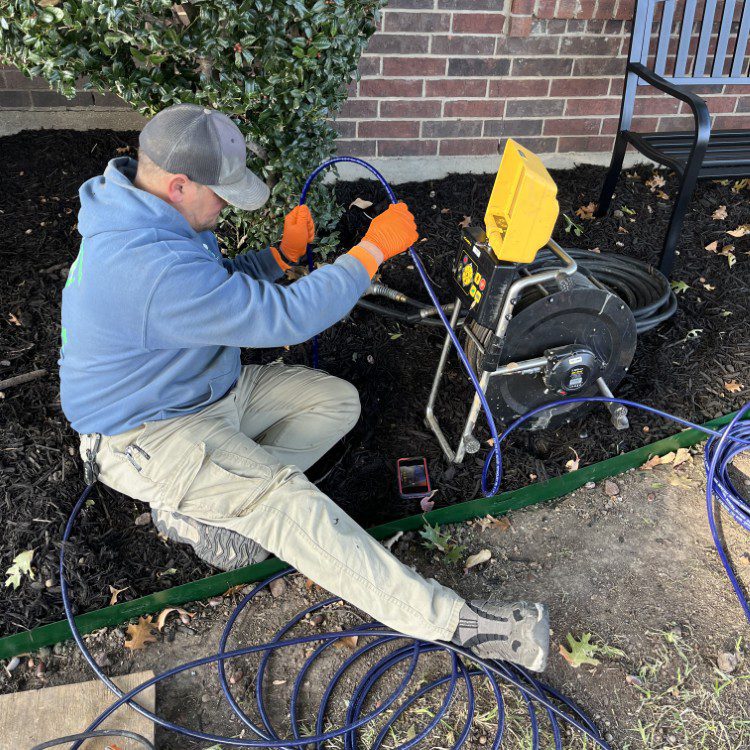
If you suspect water is escaping under your concrete slab, the fastest path to peace of mind is knowing what to look for and how plumbers confirm the leak location. This guide explains common slab leak signs, why they happen, and the main repair approaches used in homes around The Colony, TX.
If you notice your water bill creeping up, hear unexplained running sounds, or see damp drywall, it’s natural to wonder if something is leaking under the foundation. In The Colony, TX, many homes have plumbing lines beneath concrete slabs, so leaks can be hidden for weeks before they show obvious damage.
The tricky part is that not every “water problem” is a slab leak. This guide helps you separate early warning signs from other plumbing issues, understand what plumbers check during leak detection, and know which repair options may fit once the cause is confirmed.
Quick Answer
Slab leaks are leaks in water lines running under a home’s concrete foundation. Common signs include unexplained increases in water usage, wet spots or damp drywall, musty odors, low water pressure, or warm areas on floors that should be cool. Because symptoms can overlap with other plumbing problems, the best next step is professional plumbing leak detection to pinpoint the leak location non-invasively when possible. ENCO Plumbing, Inc. can inspect and guide you toward the appropriate repair option once the leak is confirmed.
What to Check First
Before you schedule repairs, you can do a few homeowner checks that often help plumbers narrow down whether the issue is likely a slab leak or something else.
1) Confirm “water is moving”
Turn off faucets and appliances, then watch your water meter for changes. If the meter continues to register usage when everything is off, you may have a leak somewhere in the plumbing system.
2) Look for moisture patterns
Check baseboards, drywall seams, and floors near exterior walls. Dampness that returns after drying or discoloration that spreads can point to a hidden leak.
3) Pay attention to pressure and temperature
If hot water takes longer than usual, pressure drops in certain areas, or you notice unusual warmth in a floor section, it may be tied to a leak under the slab.
If you suspect a leak, it’s usually worth starting with leak detection rather than guessing. For related diagnostic work, you can review plumbing leak detection services to understand how plumbers identify hidden flow paths.
Main Things Customers Should Understand
Slab leaks typically involve water supply lines, but the symptoms can vary based on where the leak is and how the system is laid out. Here are the core factors homeowners should understand before choosing a repair path.
Professional observation: Hidden leaks often show up as “plumbing behavior” changes first, like water usage patterns or pressure shifts, before they create obvious damage.
Common signs of a slab leak
- Higher-than-usual water bills with no change in household habits
- Wet spots, damp drywall, or recurring moisture after cleanup
- Low water pressure or inconsistent flow in parts of the home
- Sounds of running water when fixtures are off
- Warm or hot areas on floors that don’t match normal conditions
Why slab leaks happen
Slab leaks can develop over time due to factors that stress underground plumbing. Typical causes include:
- Pipe corrosion from age and water chemistry
- Joint or connection failure where lines run through or connect beneath the slab
- Shifting soil or foundation movement that stresses the pipe
- Wear from temperature changes as water cycles between hot and cold
How plumbers confirm location
Because slab leaks are underground, accurate detection matters. Leak detection may include pressure testing and non-invasive locating methods to identify where water is escaping. Once the leak location is confirmed, the repair plan can be targeted instead of guessing.
Repair options (what you may hear during planning)
Repair approaches depend on what is found during inspection and locating. Homeowners usually choose between approaches that match the leak’s location and the condition of surrounding plumbing.
| Repair approach | When it may be considered | What to expect |
|---|---|---|
| Targeted access and pipe repair | When the leak location is confirmed and access is needed to repair or replace the affected section. | Planning around the confirmed area, with work focused where the leak is identified. |
| Re-route or re-pipe portions of supply lines | When the affected section is difficult to repair or when re-routing may provide a practical fix. | Updated plumbing path within the home’s layout, based on the discovered condition. |
| Ongoing water line monitoring after repair | When the system needs verification after work is completed. | A post-repair check helps confirm the leak is resolved and system performance returns. |
If your leak involves a water heater-related symptom (like inconsistent hot water), it can overlap with slab leak concerns. For water heating troubleshooting and repairs, see water heater repair.
Why This Matters in The Colony, TX
Homes in The Colony, TX often experience seasonal temperature swings and long stretches of heat. Under-slab plumbing can be affected by the stress of moving ground and temperature cycling, and that’s why early signs like rising water use or damp spots should not be ignored. The sooner the leak location is confirmed, the better the chance that repairs stay focused and avoid unnecessary damage to floors and walls.
Local homeowner tip: In many slab-style homes, the first visible clues can appear indoors while the source is still underground. If you’re seeing recurring moisture near baseboards or seams, schedule professional leak detection rather than waiting for the area to “dry out.”
Need slab leak detection that focuses on the source?
ENCO Plumbing, Inc. serves The Colony, TX and nearby areas. If you suspect a slab leak, start with leak detection so the repair plan is based on what’s actually happening under the slab.
Call ENCO Plumbing, Inc.Common Mistakes to Avoid
When homeowners suspect a slab leak, it’s tempting to try a quick fix. Unfortunately, a few common decisions can make the problem harder to locate or can add unnecessary damage.
- Turning off the water and waiting too long: Some leaks continue even when you do not see immediate pooling. Delays can increase moisture damage.
- Assuming every damp spot is from plumbing drains: Drain issues can create wet areas too. Leak detection helps determine whether the leak is from supply lines under the slab or from another source.
- Only addressing surface symptoms: Drying drywall or patching a small area without confirming the leak location can lead to the same problem returning.
- Using “stop leak” products: These can complicate detection and may not address the real failure point in the line.
- Skipping documentation: Taking notes about when the symptoms occur, what changed, and how water usage behaves can help technicians narrow the cause faster.
If your issue includes slow drains or recurring backups, that’s a different category of plumbing problem, but it can appear around the same time as other leaks. For drain troubleshooting and diagnostics, explore plumbing drain camera inspection.
Customer Checklist
- Check the water meter when the home is quiet to see if it continues to run.
- Look for consistent moisture near baseboards, drywall seams, or floor edges.
- Track water usage patterns (when bills rise or when symptoms appear).
- Note pressure and temperature changes (especially hot water behavior and low-flow rooms).
- Take photos of visible dampness or discoloration before cleanup.
- Schedule leak detection so the repair plan is based on confirmed location, not guesses.
Representative Scenario
In a The Colony, TX home, a homeowner noticed the water bill rising over two billing cycles. At first, they only found a faint damp line along a wall near a bathroom. After drying the area, the moisture returned within days. The homeowner also felt that hot water took longer to reach the fixtures during the morning routine.
Instead of patching the drywall, they requested plumbing leak detection. The inspection focused on identifying whether the leak originated from supply lines under the slab and where it was located. Once confirmed, the repair plan targeted the problem area so the homeowner could address the source and reduce the risk of ongoing moisture damage.
Frequently Asked Questions
What are the most reliable signs of a slab leak in a home?
The most reliable clues tend to be changes in water behavior and moisture that keeps returning. Look for unexplained increases in water usage, wet spots or damp drywall near seams and baseboards, sounds of water when everything is off, and inconsistent water pressure. Some homeowners also report warm floor areas that seem out of place. Because drain problems can create similar symptoms, professional plumbing leak detection is the best way to confirm the source before repairs.
Can a slab leak cause low water pressure or uneven hot water?
Yes. If a slab leak affects water supply lines, it can reduce pressure and create temperature inconsistencies, especially when multiple fixtures are used. You might notice certain rooms have weaker flow or that hot water behavior changes compared to normal. That said, low pressure can also be caused by other plumbing issues, so it’s smart to have the system evaluated rather than assuming the worst. Leak detection helps distinguish supply leaks from other causes.
Is slab leak detection always non-invasive?
Many detection steps are designed to locate the leak without unnecessary demolition, but the right approach depends on what’s found and how accessible the plumbing is. Technicians use locating methods and system checks to narrow down where the leak is. If a repair requires access to a specific section of pipe, some targeted work may be necessary. The goal is to confirm the leak location accurately and then repair the source with the least disruption possible.
How do I know whether it’s a slab leak or a drain issue?
Moisture that appears near baseboards or along interior walls can come from multiple plumbing sources. Drain problems often show up with slow drains, recurring backups, or wet areas that correlate with certain fixtures. A slab leak is more likely when you see rising water usage even when drains are not used, or when water behavior changes without corresponding drainage symptoms. Leak detection and system checks can help determine whether the issue is supply-related or tied to drains.
What should I do right away if I suspect a slab leak?
Start by reducing water usage and observing whether the water meter continues to run when no fixtures are in use. If you see active moisture, keep the area as dry as possible and document what you’re noticing with photos. Then schedule plumbing leak detection so the leak can be confirmed and located. Avoid “temporary fixes” that mask symptoms, since they can interfere with accurate detection and may allow moisture damage to continue.
Do slab leaks always require the same kind of repair?
No. Repair options depend on the confirmed leak location, the condition of the pipe, and how the plumbing is routed under the slab. Some situations call for targeted access and repair of the affected section, while others may require re-routing or updating portions of the supply lines. After locating the leak, a plumber can explain practical options based on what’s actually found, helping you choose a repair approach that fits the situation.
Get clarity on your water problem
If you’re dealing with suspected slab leak symptoms in The Colony, TX, ENCO Plumbing, Inc. can help identify the source and recommend next steps. You can also explore related leak and water-line services like slab leak detection services and water line repair.
(214) 222-4464