
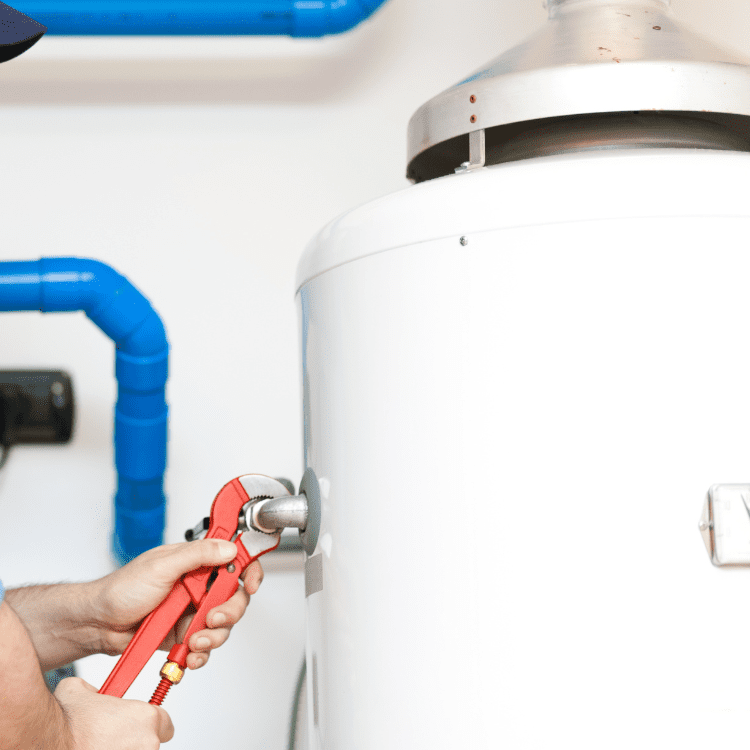
Plumbing Mastery: From Slab Leak Detection to Repairs
The first time many homeowners in The Colony, TX notice a slab leak, it’s rarely dramatic. It’s usually subtle: a small bump in the water bill, a faint “damp” smell near a wall, or the lawn looking a little greener in one spot during Texas summer. Then one day you hear running water when nothing’s on—or you spot a hairline crack that wasn’t there before.
If your home has a concrete slab foundation, that kind of mystery can point to a hidden leak under the floor. And because slab plumbing is buried, the fastest way to reduce damage is also the most technical: accurate leak detection first, repairs second.
Quick Answer
If you suspect a leak under your slab, don’t guess. The reliable process is:
- Confirm the problem (pressure testing, flow tests, and non-invasive leak detection methods)
- Locate the leak (mapping and targeted diagnostics)
- Repair the plumbing (repiping, spot repair, or specialized access methods depending on location and pipe condition)
- Verify the fix (final testing to ensure pressure and flow return to normal)
For homeowners, the key is timing—hidden leaks can travel through soil and foundation materials long before you see obvious water damage.
What We Commonly See in North Texas Homes
In North Texas, we regularly deal with plumbing systems affected by:
- Seasonal ground movement (heat, soil expansion/contraction)
- Hard water (scale buildup inside water lines and water heaters)
- Aging residential plumbing in older subdivisions
- Rapid growth and remodeling trends, where new fixtures are added without matching the existing plumbing capacity
A technician’s observation I’ve made repeatedly: homeowners often assume a leak must be “wet” to exist. But under a slab, moisture can spread in the sub-slab area without soaking carpet or leaving a puddle. By the time wall texture bubbles or floors lift, the leak has often been going on longer than anyone realizes.
A Real Home Scenario: The “No Big Leak” That Cost Weeks
Here’s a realistic anonymized example we’ve handled:
A homeowner noticed their monthly water use gradually climbing over 6–8 weeks. There was no puddling, and the visible plumbing looked fine. The kitchen sink drained normally, toilets flushed well, and there were no obvious damp spots.
During diagnostics, we confirmed water usage was occurring continuously, even when the home was quiet. Then we used targeted non-invasive detection to pinpoint likely slab plumbing activity. Once located, the repair prevented further moisture intrusion beneath the foundation and restored normal water consumption after verification testing.
The lesson: slow and hidden leaks are often the most expensive when they’re allowed to continue.
Leak Detection: How Slab Leaks Are Found (Not Guessed)
Slab leak detection isn’t one single tool—it’s a process. In many cases, we start with system behavior:
- Is the leak continuous or intermittent?
- Is it from hot water, cold water, or both?
- Does pressure hold during testing?
- Where in the home is water usage changing?
From there, technicians may use advanced methods to narrow down the leak location. Depending on the situation, the work can involve:
- pressure testing and flow analysis
- listening and thermal or other targeted diagnostics (based on conditions)
- mapping based on your home’s layout and plumbing run patterns
Signs You Need Plumbing Repairs
Slab leaks and other plumbing problems often show up through patterns—not one single symptom. Common warning signs include:
- unexplained water bill increases
- low water pressure that fluctuates
- damp drywall, bubbling paint, or small cracks near baseboards
- warm spots on floors that shouldn’t match the room temperature
- recurring clogs in the same drain line (sometimes related to pipe condition)
- water heater cycling more than usual
If any of these match your situation, it’s worth scheduling diagnostics before the issue spreads.
Common Mistakes Homeowners Make
1) Waiting for visible damage
A slab leak can travel under flooring and into the foundation area before you see clear signs.
2) Relying on “it sounds like it’s the toilet”
Toilet leaks can be sneaky, but assuming that without testing can delay the real cause—especially when water usage is continuous.
3) Skipping verification after repairs
A proper repair isn’t complete until the system is tested to confirm the leak is actually resolved and pressure behavior returns to normal.
4) Ignoring drain symptoms until they’re severe
If you’re constantly dealing with kitchen sink backups or slow bathroom drains, that’s not “normal wear.” In North Texas, mineral scale and aging lines can turn minor clogs into pipe-restricting problems quickly.
If you’re seeing recurring drain issues, you may also benefit from targeted service like drain camera inspection or drain clearing to avoid repeated partial fixes.
Repair, Installation, and Prevention: What Actually Improves Plumbing Performance
Once the leak is located, repairs can vary. Some situations call for targeted access and pipe repair; others require rerouting or section replacement. The best approach depends on:
- where the leak is relative to slab plumbing runs
- pipe material and condition
- whether there’s corrosion, scale, or recurring failure points
- whether the repair will be stable long-term without repeated access
Water leak detection specialist workflow (what you can expect)
A solid diagnostic and repair plan usually includes:
- confirming the leak category (water vs. sewer vs. fixture issue)
- locating with appropriate methods
- choosing the least disruptive repair that still provides long-term reliability
- testing afterward to confirm the fix
Plumbing efficiency recommendation
If you have repeated water pressure issues or older water lines, consider a full system review during repair work. Many homeowners focus only on the leak itself, but upgrading or optimizing related components (pressure regulation, recirculation setup, or water heater strategy) can reduce the likelihood of future problems.
For example, if you’ve been dealing with inconsistent hot water, it may connect to your water heating setup. You can explore water heater repair options or, when appropriate, a more efficient configuration like tankless systems. (More on that below.)
Quick Comparison Table: Repair vs Replacement (When It’s Time to Decide)
| Situation | Repair often makes sense when… | Replacement may be better when… |
|---|---|---|
| Slab leak | leak is localized and pipe condition supports targeted repair | multiple failures, extensive corrosion, or repeated re-leaks |
| Water heater | tank is relatively new; issue is a component | unit is old, inefficient, leaking, or repeatedly failing |
| Tankless water heater | problem is isolated (valve, scale management, ignition issues) | sizing/capacity doesn’t match demand or repeated internal scaling failure |
This isn’t a one-size-fits-all rule—your layout, pipe materials, and diagnostic findings matter. A good contractor will explain the “why” behind the recommendation, not just the price.
The Colony or North Texas Relevance Section: Why Timing Matters Here
North Texas homes face a unique combo: rapid temperature swings, expansive soils, and hard water. That combination can accelerate pipe stress and mineral buildup, which means small problems can become bigger ones sooner than homeowners expect.
We also see more slab-related plumbing challenges in communities built on similar foundation designs. When plumbing runs are under slab, hidden moisture can contribute to foundation-related concerns over time. That’s why we treat leak detection as a first step—not a “maybe later” task.
If your home is showing signs of slab issues, scheduling diagnostics early can prevent the kind of secondary damage that turns a repair into a bigger renovation.
When Gas and Hot Water Systems Are Involved
Sometimes a plumbing problem isn’t only about water—it’s about safe operation. If you smell natural gas or suspect gas line issues, don’t troubleshoot yourself. Gas-related problems require professional attention and appropriate safety procedures.
For homeowners who need gas line repair support, ENCO Plumbing provides services including gas line repair services and emergency response for urgent situations. (If you’re experiencing an active gas smell, treat it as an emergency.)
On the water heating side, North Texas homeowners frequently ask whether to repair or replace. If you’re dealing with inconsistent hot water, unusual noises, or age-related performance issues, you can review tankless water heater repair or consider whether an upgrade fits your household demand.
Maintenance Checklist: Preventing Future Leaks and Drain Failures
Use this as a homeowner-friendly routine between professional inspections:
- Monitor your water meter monthly for unexpected movement
- Check under sinks and around toilets for slow moisture
- Look for early signs: damp baseboards, musty odors, or small cracks
- Flush and maintain water heater components as recommended (or schedule service)
- If you have a tankless unit, plan for maintenance to reduce scale buildup
- Avoid chemical drain “cures” for repeated clogs—use professional diagnostics when patterns repeat
- Run hot water briefly after periods of non-use and note any pressure changes
Our Experience With Plumbing Issues in Texas Homes
One technician insight that matters: many slab leak cases don’t start with a “big break.” They often begin as slow seepage where the pipe has been stressed for a while. Add to that the way soil moisture and temperature changes can shift over time, and you get leaks that seem to “appear” after months of gradual damage.
That’s why we focus on diagnostics that reduce uncertainty. When we locate the source correctly and verify the repair with testing, homeowners typically stop seeing the recurring symptoms—water usage normalizes, pressure stabilizes, and the home returns to predictable performance.
Optional FAQ Section
How do I know if I have a slab leak?
Look for unexplained increases in water bills, damp drywall or cracks, warm spots on floors, or continuous meter movement when no fixtures are running. The most reliable confirmation comes from professional leak detection using testing and targeted location methods.
Should I repair or replace my water heater?
If the unit is relatively new and the issue is isolated, repair can be the best value. If it’s older, frequently failing, or leaking, replacement often prevents repeated downtime. A technician should check performance, safety components, and whether efficiency is still reasonable for your household.
What causes recurring kitchen drain clogs?
Recurring kitchen clogs often come from grease buildup, partial pipe restrictions, or damage to plumbing runs that slowly worsen over time. Repeated “plunge and hope” attempts can make the problem harder to clear. Camera inspection and targeted clearing are often the fastest path to a long-term fix.
Are tankless water heaters worth it in Texas?
Many homeowners like tankless systems for energy efficiency and on-demand hot water. But worth it depends on correct sizing, proper installation, and maintenance to manage mineral scale. If your demand is high or your system isn’t matched to your household, performance issues can outweigh the benefits.
Ready to Protect or Upgrade Your Plumbing System?
If you’re seeing unexplained water use, suspicious wet spots, recurring drain problems, or inconsistent hot water, early diagnostics can prevent a leak from turning into foundation damage or an expensive remodel.
ENCO Plumbing serves homeowners across The Colony, TX and surrounding North Texas communities with leak detection, repairs, and full-service plumbing solutions—from slab leak inspection to water heater and drain services.
About ENCO Plumbing, Inc.
ENCO Plumbing, Inc. provides plumbing repair, leak detection, water heater installation and repair, drain clearing, gas line repair, and remodeling plumbing services throughout The Colony, TX and nearby North Texas communities. We focus on accurate diagnostics, practical repair options, and helping homeowners protect long-term plumbing reliability—so problems get solved efficiently and correctly the first time.