
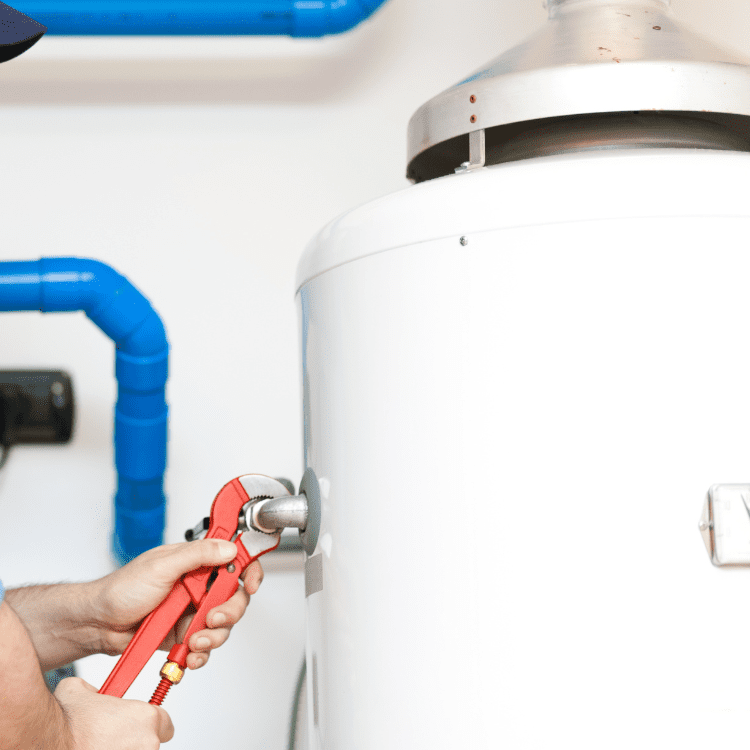
Water Heater Installation: Sizing, Venting, and Code Essentials
Last winter, a homeowner in The Colony called ENCO Plumbing because they had “random” no-hot-water moments—mostly in the mornings. The heater would ignite, run for a short time, then the hot water would fade fast. When we inspected it, the issue wasn’t just the thermostat. The unit had been installed with venting that didn’t behave the way it should, and the original system sizing didn’t match the household’s real hot-water demand. The result was short-cycling, poor combustion performance, and a heater that never really got a chance to recover.
That scenario is common in North Texas homes—especially as households grow, remodel, or switch from older tank units to modern gas or tankless systems. Water heater installation isn’t only “hook it up and turn it on.” Sizing, venting, and code requirements directly affect safety, comfort, and how long the unit lasts.
Quick Answer
A proper water heater installation depends on three things:
- Sizing: The tank size (or tankless flow rate) must match your household’s hot-water use—otherwise you’ll run out of hot water, waste energy, or wear out the unit early.
- Venting & combustion air: Gas heaters need correct vent routing and air supply to vent safely and burn efficiently.
- Code compliance: Proper gas connections, pressure, vent clearances, and temperature/pressure relief (T&P) discharge are required for safe operation.
If any of those are off, you can get symptoms like inconsistent hot water, soot or odors, nuisance shutdowns, higher utility bills, and—in worst cases—unsafe combustion.
What We Commonly See in North Texas Homes
In The Colony and the broader Dallas-area region, we see a few patterns that matter for water heater installs:
1) Demand changes after remodeling
A lot of homes get remodeled: a new kitchen, a second bathroom, a soaking tub, or even just upgrading to higher-flow showerheads. That increases simultaneous hot-water demand. If a previous installer sized the heater for the “old” household, the system can look fine for a month—then start failing under real usage.
2) Venting mistakes show up as “performance problems”
When venting is wrong (wrong termination location, improper slope, inadequate draft, or incorrect vent type), the heater often behaves like it’s underperforming. Homeowners describe it as “not enough hot water,” but the real cause can be combustion and venting issues.
3) Hard water shortens life—especially when the heater never runs correctly
North Texas water conditions can be tough on heating elements and tank linings. If the unit short-cycles or doesn’t heat efficiently, sediment builds faster. That accelerates temperature swings, efficiency loss, and premature failure.
Technician Insight: The Venting Detail That Gets Overlooked
During installations, we pay close attention to the vent path behavior, not just the vent’s physical presence. On one anonymized job, a homeowner’s new gas water heater “worked” during a quick test. But after a few days of normal use, the pilot/ignition behavior became inconsistent. When we revisited, we found the vent configuration created conditions where combustion products weren’t reliably clearing under certain airflow conditions—leading to poor draft behavior and repeated protective shutdowns.
The key takeaway: venting affects ignition stability and recovery, not just safety on paper.
Water Heater Sizing: Match the Unit to Real Hot-Water Use
Sizing is where many installations fail—because the right answer depends on your household’s demand pattern, not just the age of the home or the size of the old tank.
For tank water heaters (storage)
Key factors include:
- Number of occupants
- Time of day hot water is used (morning showers vs. evening laundry)
- Appliances that draw hot water (dishwasher, laundry, showers, tubs)
- Recovery rate (how quickly the heater can reheat after a draw)
A common mistake is replacing a tank with the same capacity without considering increased usage after renovations.
For tankless water heaters (on-demand)
Tankless sizing usually depends on:
- The maximum simultaneous flow rate (multiple fixtures at once)
- Incoming water temperature
- Burner modulation range
Tankless units can be incredibly efficient when sized correctly. But if the unit is undersized, homeowners experience:
- lukewarm water during peak use
- longer wait times than expected
- unnecessary cycling of the burner
Venting & Combustion Air: Where Code Meets Real Safety
Gas water heaters rely on correct venting to remove combustion gases. Depending on the unit type and model, venting requirements can include:
- Proper vent material and diameter
- Correct routing and support
- Required clearances from walls/roof/combustible materials
- Correct termination location
- Adequate combustion air supply
Even a “small” venting deviation can cause symptoms that look like a failing heater:
- odors
- soot at connections
- inconsistent ignition
- burner shutdowns
- condensate issues (in some vent configurations)
If you’re unsure what type of venting your current system uses, that’s exactly the kind of detail a professional should verify during the replacement process.
Water Heater Installation Checklist (What Should Be Verified)
Here’s a practical checklist we use to keep installs safe and reliable:
Sizing & system match
- Calculate expected hot-water demand (tank recovery or tankless flow)
- Confirm fuel type (natural gas vs. propane) and inlet gas conditions
- Verify electrical requirements (for ignition controls and vent fans if applicable)
Venting & combustion air
- Confirm correct vent type/material and routing
- Check termination requirements and clearances
- Verify combustion air supply meets the unit and code requirements
- Inspect vent connections for correct fit and sealing where required
Safety components
- Confirm temperature and pressure relief (T&P) valve operation and discharge routing
- Ensure discharge line is installed to code (and terminates properly)
- Confirm gas shutoff valves and sediment trap (when applicable)
Operational testing
- Verify ignition and burner operation under normal cycles
- Check for leaks at gas and connection points
- Confirm hot water temperature settings match homeowner preference and safety guidelines
If any of these steps are skipped, you may not notice problems immediately—but the system often “tells on itself” over time.
Common Mistakes Homeowners Make
1) Buying the same size unit without checking demand
Replacing a 50-gallon tank with another 50-gallon tank can be the right move—or a costly mistake. If your household usage pattern changed, the “same size” approach can leave you short on capacity.
2) Assuming venting is “universal”
Two different heaters can have different venting requirements. Even when using the same fuel type, you may need different vent parts or routing to meet the manufacturer’s installation instructions and applicable code.
3) DIY venting modifications or reusing old vent components
Old vent components might not be the right material, might have aged, or might not meet current requirements. Reusing questionable ventwork is a risk—especially when the new heater operates differently than the old one.
4) Ignoring slow recovery or repeated shutdowns
If you notice inconsistent hot water, odd sounds, or burner cycling, treat it as a diagnostic issue—not a “wait and see” problem. Continued operation with incorrect venting or insufficient supply leads to faster wear and higher utility costs.
Water Heater Repair vs Replacement (When Installation Becomes Necessary)
Homeowners often ask whether they should repair or replace. The decision usually comes down to condition, age, and performance.
Repair may make sense if:
- The unit is relatively new
- The issue is limited (e.g., a failed valve, minor thermostat/control problem)
- The venting system and burner setup are still in good condition
Replacement is often the better path if:
- The heater is near the end of its service life
- Repeated issues occur (burner/ignition, venting behavior, leaks)
- Sediment buildup is heavy (common in hard-water areas)
- Safety components show signs of failing performance
Quick comparison
| Option | Best for | Common downside |
|---|---|---|
| Repair | Isolated component failures | Doesn’t fix underlying sizing/venting mismatch |
| Replacement | Age, repeated failures, efficiency upgrades | Requires careful sizing/venting to avoid new issues |
If your water heater has frequent shutdowns or vent-related symptoms, replacement without correcting venting/combustion conditions can simply move the problem to a new unit.
What Actually Improves Plumbing Performance (Efficiency Recommendation)
One efficiency improvement we recommend often—when it fits the home—is adding or upgrading hot water recirculation in homes with long pipe runs.
If your kitchen or master bath is far from the water heater, you may be wasting water while waiting for hot water to arrive. A properly designed recirculation system can:
- reduce water waste
- shorten wait times
- improve comfort during peak usage
ENCO Plumbing also handles recirculation pump installation and repair so the system matches the layout and doesn’t create unnecessary cycling or pressure issues.
For some homes, a booster pump installation and repair can also help stabilize flow—especially if water pressure fluctuates.
A Realistic Example: Tankless Installation That Worked (Because It Was Sized Right)
A North Texas family replaced an aging tank unit with a tankless system. The first attempt at sizing used a generic rule of thumb based on the old tank’s capacity. After installation, they noticed lukewarm water during back-to-back showers.
When our team rechecked the demand pattern, we found the home often used two showers at once plus laundry hot water in the evenings. We adjusted the tankless selection based on the household’s real simultaneous use and verified venting and combustion air requirements during commissioning. After the correct sizing and setup, hot water performance stabilized—no more “almost hot” showers, and the burner behavior stayed consistent.
That’s the difference between a tankless unit that’s “installed” and one that’s truly matched to the home.
The Colony and North Texas Relevance: Why This Matters Locally
North Texas homes experience:
- seasonal temperature swings that affect incoming water temperature (especially for tankless units)
- high demand periods (school mornings, evenings, weekend laundry)
- aging plumbing infrastructure in established neighborhoods
- hard water and mineral buildup that can shorten heater lifespan if the unit cycles inefficiently
In other words, the right installation approach isn’t optional here—it’s what prevents comfort issues and premature failures.
If you’re in The Colony, homeowners often also juggle busy schedules and remodel timelines. Getting sizing and venting right the first time helps avoid repeated call-backs, downtime, and unnecessary disruption.
Ready-to-Use Maintenance & Prevention Checklist
A little maintenance can extend a water heater’s service life and protect your investment. Use this checklist:
- Check the T&P discharge line: confirm it’s not blocked and drains properly
- Watch for performance changes: inconsistent hot water, unusual sounds, or frequent cycling
- Look for leaks: at fittings, around the base, or near the T&P valve
- Address sediment early: hard water can shorten heater life; flushing schedules depend on unit and local conditions
- Keep venting clear: do not block vent terminations with landscaping, debris, or construction materials
- Set safe temperature: too high increases scaling and risk; too low can encourage bacterial growth in stored systems
- Schedule annual checks for gas operation and venting behavior if your system is older or frequently used
Signs You Need Plumbing Repairs (Not Just “a New Heater”)
Sometimes the water heater isn’t the real problem. Consider professional inspection if you notice:
- hot water runs out quickly across multiple fixtures
- hot water is inconsistent room-to-room
- water heater repeatedly ignites or shuts down
- you see corrosion, leaking near connections, or water pooling
- you smell gas or notice unusual venting behavior
- pressure seems unstable during showers or dishwashing
These issues can also involve water line repair, gas supply problems, or related system constraints. For gas-related concerns, ENCO Plumbing can also support with gas line repair services—including urgent troubleshooting when needed.
FAQ
Should I size a replacement water heater the same as the old one?
Not automatically. The old unit’s capacity may have been adequate—or it may have been undersized for years. After remodels, fixture upgrades, or changes in household use, the demand can increase. A professional will evaluate your hot-water pattern (simultaneous use for tankless, recovery rate for tanks) and match the unit accordingly.
How do I know if my venting is a problem?
Common signs include soot around connections, odors, inconsistent ignition, burner shutdowns, or condensation where it doesn’t belong. If you suspect venting issues, the safest step is to stop troubleshooting and have a technician inspect the vent routing, combustion air, and draft performance.
Are tankless water heaters worth it in Texas?
Often, yes—when properly sized and installed with correct venting and combustion air. Tankless units can be more efficient because they heat on demand. However, they can underperform if sized for “average” use rather than your peak simultaneous demand.
What’s the biggest reason water heater replacements fail early?
The most common reason we see is a mismatch between the system and the home—especially around sizing and venting. A new unit can still deliver poor hot water performance if the vent configuration isn’t correct or if the unit can’t meet the household’s demand pattern.
Ready to Protect or Upgrade Your Plumbing System?
If you’re planning a water heater installation—or your current unit is giving inconsistent hot water, odors, or shutdowns—ENCO Plumbing can help you size the right system and verify venting and code essentials so it runs safely and efficiently.
About ENCO Plumbing, Inc.
ENCO Plumbing, Inc. provides plumbing repair, leak detection, water heater installation, drain clearing, gas line repair, and remodeling plumbing services throughout The Colony, TX and surrounding North Texas communities. The company focuses on reliable plumbing solutions, accurate diagnostics, long-term system performance, and helping homeowners prevent costly plumbing damage through professional service and maintenance.