
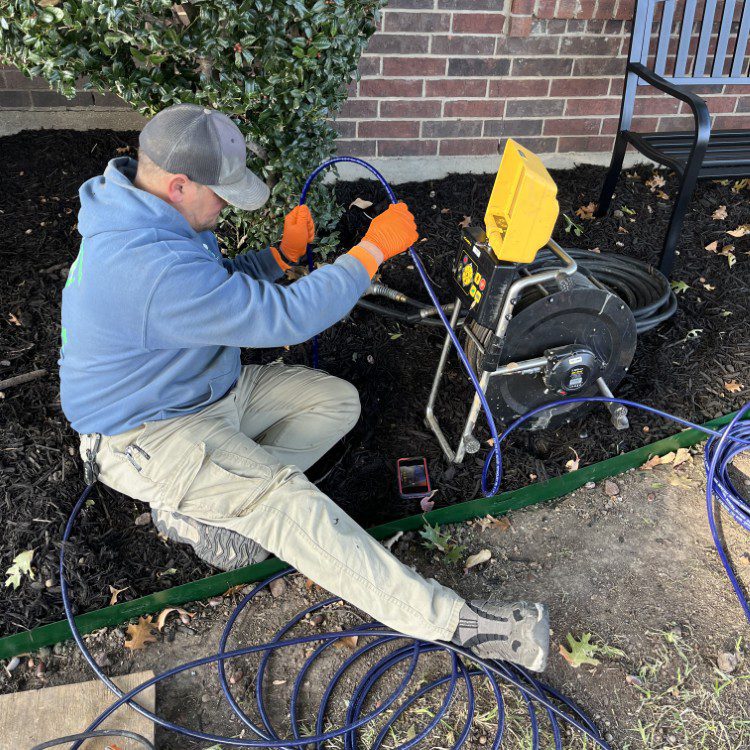
Slab Leak Detection Secrets for Healthy Foundations Today
A homeowner in The Colony recently called after noticing a warm spot on their living room floor. No visible water, no dripping pipes—just a higher-than-normal water bill and a nagging feeling something wasn’t right. Within a few hours, our technicians confirmed the problem: a slab leak quietly washing away the soil under their foundation. Left alone for a few more months, it could have led to major structural damage and a repair bill in the tens of thousands.
North Texas homes are especially vulnerable to slab leaks. Our expansive clay soil swells when wet and shrinks when dry, placing constant stress on buried water lines. Industry data suggests that up to 1 in 4 homes in high-expansive-soil regions will experience a slab or foundation-related plumbing issue during their lifetime.
This guide pulls back the curtain on how slab leaks start, how to spot them early, and the modern tools professionals use to find them without tearing your home apart. You’ll also learn what smart homeowners in The Colony and surrounding communities can do today to protect their foundations—and their budgets.
Key Insight: Early, accurate slab leak detection is the difference between a targeted plumbing repair and a full-blown foundation crisis. Knowing the signs and calling the right team quickly can save you thousands.
Why Slab Leaks Are a Hidden Threat in The Colony
Unlike a leaky faucet or a dripping water heater, slab leaks hide under your feet. Your home’s concrete slab sits directly on the soil, with water and sometimes gas lines running underneath. When one of these pipes fails, water doesn’t usually gush into your living room. It seeps silently into the soil, eroding support under your foundation.
In The Colony and much of North Texas, the soil is highly expansive. It swells in rainy seasons and contracts during our long, hot summers. This constant movement:
- Bends and stresses buried copper or galvanized pipes
- Opens tiny cracks that grow into full leaks
- Exaggerates existing foundation issues, especially on older homes
“North Texas has some of the most challenging soil conditions for foundations in the country.” — Local Structural Engineer, DFW Region
We recently helped a homeowner near Lewisville Lake who noticed hairline cracks spreading across their tile floor. Their foundation company suspected movement, but couldn’t confirm the cause. Our plumbing leak detection services located a hot water line leak under the kitchen. Once we repaired the pipe and stabilized the moisture levels, the foundation company could complete a more permanent structural fix. Without that leak repair, any foundation work would have been a temporary bandage.
Slab leaks don’t just damage concrete. They can drive up water bills, create warm or damp spots on flooring, cause mildew odors, and even attract pests seeking moisture. For many homes in The Colony, catching a slab leak early is as critical as regular roof or HVAC maintenance.
Subtle Warning Signs Your Foundation May Be Hiding a Leak
Slab leaks rarely announce themselves with standing water. Instead, they show up as a series of small clues that are easy to miss—especially if you’re busy and your home “seems fine.”
Here are the most common early warning signs we see in The Colony:
- Unexplained increase in your water bill
- The sound of running water when all fixtures are off
- Warm or damp spots on tile, laminate, or hardwood floors
- Cracks in walls, ceilings, or flooring that appear or spread quickly
- Baseboards separating from walls
- Areas of the slab or flooring that feel slightly “spongy” or hollow
A client off Main Street called us after their water bill doubled for the second month in a row. They had no dripping faucets, and their toilets looked fine. During our inspection, we shut off all fixtures and still heard water moving. Using slab leak detection services, we found a pinhole leak in a hot water line under the master bedroom. They’d been living with it for months without visible water damage—just a slowly weakening foundation.
“Small, persistent leaks often cause more structural damage than dramatic pipe bursts.” — Senior Technician, ENCO Plumbing, Inc.
If you notice several of these signs at once, especially combined with soil shifting or foundation concerns, it’s time to call a local professional plumber for a closer look.
Because slab leaks can mimic general foundation problems, many homeowners first call a foundation company. That’s a reasonable step, but pairing that visit with a plumbing evaluation gives you the full picture and prevents misdiagnosis.
How Modern Slab Leak Detection Protects Your Home (Without Tearing It Up)
Older approaches to slab leak detection were often invasive: breaking tile, jackhammering concrete, and “chasing” the pipe until the leak was found. Today, licensed specialists rely on advanced, largely non-destructive tools to pinpoint leaks before any concrete is touched.
A typical visit from a water leak detection specialist in The Colony may include:
- Acoustic listening equipment
Sensitive devices that “hear” water escaping under concrete and help triangulate the leak’s location.
- Thermal imaging
Infrared cameras that show temperature differences in flooring, often revealing hot water leaks as warm pathways.
- Pressure testing
Isolating sections of your plumbing system and measuring pressure loss to find which line is compromised.
- Tracer gas or dye testing (when appropriate)
Specialized methods for complex or multi-branch systems.
A homeowner near The Colony High School recently suspected a slab leak due to warm tiles in a hallway. Using acoustic equipment and thermal imaging, we traced the problem to a hot water line bend under a bathroom wall—not the hallway itself. Instead of tearing up the hallway floor, we accessed the pipe through a small opening in the wall, repaired it, and preserved their new tile.
Here’s how the traditional “guess and break” approach compares with modern methods:
| Approach | Traditional Leak Hunting | Modern Non-Invasive Detection |
|---|---|---|
| Accuracy | Low to moderate | High (pinpoint or near-pinpoint location) |
| Damage to home | Often extensive (multiple holes) | Minimal (small, targeted access point) |
| Time on site | Longer, more trial-and-error | Shorter, systematic process |
| Overall cost | Can escalate quickly | More predictable and usually lower overall |
| Homeowner disruption | High (noise, dust, demo) | Reduced (less demolition and cleanup) |
“Technology doesn’t replace experience, but it dramatically reduces the guesswork.” — ENCO Plumbing, Lead Leak Detection Tech
Choosing a company that offers underground plumbing leak detection and camera inspections means your home, flooring, and foundation are treated with care, not as a trial-and-error testing ground.
Repair Options: From Spot Fixes to Reroutes
Once the leak is found, the next question is: how do we fix it with the least disruption and best long-term protection for your foundation?
Depending on the pipe material, age of the home, and location of the leak, your options may include:
- Direct access repair
Opening the slab or wall directly above the leak, repairing the damaged section of pipe, and patching the concrete. This is common when the rest of the line is in good shape.
- Rerouting the line
Abandoning the leaking section under the slab and running a new line through walls, ceilings, or the attic. This is often a better long-term solution for older pipes or multiple leak history.
- Whole-line replacement
Replacing entire sections of piping if your home has widespread corrosion or repeated failures.
We recently worked with a homeowner in an older part of The Colony whose 1970s copper lines had developed multiple slab leaks over a few years. Instead of continuing to open the slab each time, we designed a partial repipe, rerouting key lines through walls and the attic. The upfront investment was higher than a single spot repair, but much lower than dealing with ongoing leaks, water damage, and foundation issues.
For homes with gas lines under or through the slab, similar logic applies. A small leak can be dangerous, so gas line repair services often favor rerouting and upgrading to modern materials. As a licensed gas line repair contractor, ENCO Plumbing ensures all work meets current code and utility company requirements.
Beyond the immediate pipe repair, a full service partner can also assess related systems—like your water line repair needs, water pressure issues, and even your water heater and recirculation systems—to prevent new stress on your plumbing.
Preventing Future Slab Leaks: Smart Maintenance for North Texas Homes
You can’t control the soil under your home, but you can reduce the stress on your plumbing system and catch problems earlier. For homeowners in The Colony, a proactive strategy makes a real difference.
1. Manage water pressure
High water pressure feels great in the shower but is hard on pipes. If your pressure is consistently above ~80 psi, your lines and fixtures suffer. A pressure-reducing valve and regular checks from a residential plumbing contractor help extend the life of your plumbing and reduce leak risk.
2. Maintain consistent soil moisture
Sudden, extreme drying or soaking of the soil around your foundation leads to movement. Smart irrigation and soaker hoses (used correctly) help stabilize the soil. Many local foundation experts recommend watering the perimeter during long dry spells.
3. Service water heaters and recirculation systems
Hot water lines are more prone to leaks due to expansion and contraction. Regular water heater services and checks on recirculation or recirculation pump installation and repair can prevent overheating and excessive pressure on hot water lines.
4. Take minor plumbing issues seriously
Slow drains, inconsistent hot water, or recurring toilet issues may indicate broader system stress. Using a plumbing drain clearing service or hydro jetting drain clearing to resolve chronic clogs can prevent pressure buildups that strain pipes.
We worked with a family near Austin Ranch who had experienced two slab leaks in five years. After repairing the second leak, we tested their pressure and found it hovering around 105 psi—well above recommended levels. We installed a pressure-reducing valve, serviced their gas and electric water heater installation systems, and adjusted their irrigation schedule. They’ve now gone several years without further slab issues.
“Preventive plumbing care costs a fraction of major foundation and leak repairs.” — ENCO Plumbing, Service Manager
By pairing periodic non invasive leak detection services with good home maintenance habits, you can dramatically reduce your risk of hidden slab leaks.
Beyond the Slab: Whole-Home Plumbing Health and Your Foundation
Your slab isn’t the only part of your home affected by plumbing health. Issues in other areas can indirectly stress your foundation and structure.
- Bathrooms and kitchens
Ongoing leaks in walls, behind cabinets, or under tubs can saturate framing and subfloors, causing uneven settling that telegraphs into your slab and finishes. Regular kitchen plumbing repair services and bathroom plumbing repair services keep fixtures from becoming chronic moisture sources.
- New installations and remodels
Poorly planned or installed plumbing during a remodel can add stress to your system or create future leak points. Working with a qualified kitchen plumbing installation contractor or bathroom plumbing installation contractor ensures new lines are properly supported and pressure-balanced.
- Drainage and sewer lines
Collapsed or leaking drains can wash out soil under certain areas of your foundation. A drain camera inspection can reveal root intrusion, breaks, or offsets before they cause serious structural issues.
We helped a homeowner near The Colony’s Stewart Creek Park whose master shower had been slowly leaking into the wall for months. They thought the problem was just a failing shower pan. During our tub and shower plumbing repair, we discovered moisture had migrated toward the slab edge, contributing to minor foundation movement and cracks on the exterior brick. Fixing the shower leak and improving exterior drainage helped stabilize that area.
Here’s how a whole-home, proactive approach compares to a reactive, “fix it when it breaks” mindset:
| Strategy | Reactive Repairs Only | Proactive Plumbing & Foundation Care |
|---|---|---|
| Timing of service | After visible damage or system failure | Scheduled inspections and targeted maintenance |
| Cost pattern | Large, unpredictable repair bills | Smaller, more predictable investments |
| Impact on foundation | Higher risk of major movement | Reduced risk, earlier detection of issues |
| Home disruption | Sudden, often urgent repairs | Planned work with less stress and downtime |
| Long-term home value | Potentially diminished by chronic issues | Protected by documented maintenance and upgrades |
By treating your plumbing system as a whole—not just reacting to leaks as they appear—you protect your foundation, finishes, and long-term home value.
What This Means for Businesses in The Colony, TX
While slab leaks are often discussed in the context of single-family homes, commercial properties and local businesses in The Colony face similar, if not greater, risks. Restaurants, offices, medical facilities, and retail spaces often sit on large concrete slabs with complex plumbing networks underneath.
A hidden leak under a commercial slab can:
- Undermine heavy equipment or shelving
- Create trip hazards from uneven flooring
- Disrupt operations if major repairs are needed during business hours
- Lead to mold issues that affect staff and customer health
Local businesses near major corridors like SH 121 or Main Street often run extended hours, placing more demand on their plumbing systems. Hot water use in kitchens, restrooms, and break rooms, combined with high occupancy, increases stress on both supply and drain lines.
For commercial owners and property managers, regular assessments from a full service plumbing solutions provider are essential. Combining advanced slab leak locating services with routine checks of restrooms, kitchens, and water heaters helps avoid sudden shutdowns and emergency repairs.
“Every hour a business is closed for plumbing or foundation repair is lost revenue.” — Commercial Property Manager, North Dallas
If you manage or own a building in The Colony, consider scheduling periodic plumbing leak detection services and water heater services outside of peak hours. This proactive approach keeps your foundation stable, your plumbing reliable, and your doors open.
Frequently Asked Questions
Q: How can I tell if my higher water bill is a slab leak or just seasonal usage?
A: Start by ruling out visible issues: dripping faucets, running toilets, outdoor hose bibs, and irrigation systems. If everything looks normal, perform a simple meter test: shut off all water-using appliances and fixtures, then check your meter. If the indicator dial is still moving, you may have a hidden leak. At that point, calling a water leak detection specialist is wise. They can determine whether the leak is under the slab, in the yard, or within walls. In The Colony, we see water usage spike in summer from irrigation, but a steady, unexplained increase across multiple billing cycles often points to a concealed plumbing problem.
Q: Will slab leak detection destroy my floors or foundation?
A: Modern slab leak detection services are designed to be minimally invasive. Technicians use acoustic listening devices, pressure testing, and sometimes thermal imaging to pinpoint leaks through the slab. Only after the leak is accurately located does any cutting or drilling happen—and even then, it’s targeted to a small area. In many The Colony homes, we can repair leaks by accessing pipes through walls or closets instead of breaking up large sections of flooring. Choosing a company that specializes in non invasive leak detection services helps protect your finishes and minimize disruption.
Q: Is rerouting my plumbing better than breaking the slab to fix a leak?
A: It depends on your home’s age, pipe condition, and history. For newer homes with isolated leaks, a direct repair through the slab can be cost-effective and long-lasting. But if your home has older copper or galvanized pipes and a pattern of leaks, rerouting lines through walls or ceilings may be a smarter long-term solution. In The Colony, where soil movement is common, we often recommend reroutes for homes with multiple slab leaks to avoid repeated slab cuts and ongoing foundation stress. A qualified residential plumbing contractor can walk you through the pros and cons of each option for your specific situation.
Q: Could my water heater or recirculation system be contributing to slab leaks?
A: Yes. Hot water lines are more prone to leaks because they expand and contract as temperatures change. If your water heater is set too hot, not maintained, or if a recirculation pump runs constantly without proper controls, your hot water lines may experience additional stress. We’ve seen The Colony homes where improper water heater repair and replacement or recirculation setups contributed to premature pipe failure. Regular water heater services and correctly designed recirculation pump installation and repair help protect both your pipes and your foundation.
Q: Are slab leaks covered by homeowners insurance in The Colony?
A: Coverage varies by policy, but many insurers distinguish between the cost to access and repair the leak, and the cost to fix the pipe itself. Some policies cover the resulting damage (like warped flooring or damaged drywall) and a portion of the access costs, but not the actual plumbing repair. It’s important to review your policy or speak with your agent. When ENCO Plumbing handles a slab leak, we document our findings and provide detailed invoices that many The Colony homeowners use in their insurance claims. Even if the plumbing repair itself isn’t covered, early detection minimizes damage and out-of-pocket expenses.
Q: How often should I have my home checked for hidden leaks?
A: For most homes in The Colony, an annual plumbing check-up is a solid baseline, especially if your house is more than 15–20 years old. That doesn’t always mean full slab testing every year, but a professional can evaluate your visible plumbing, water pressure, water heater, and any signs that warrant deeper plumbing leak detection services. If you’ve had slab leaks before, live in an older home, or see new cracks or door misalignments, more frequent checks make sense. Pairing these visits with other routine home maintenance—like HVAC servicing—keeps you ahead of expensive surprises.
Q: Can kitchen or bathroom remodels increase my risk of slab leaks?
A: Poorly executed remodels can. If new fixtures are tied into old lines without proper support, or if pressure-balancing and venting aren’t correctly handled, your plumbing system may experience extra strain. That’s why working with a new kitchen plumbing installation or new bathroom plumbing installation specialist is so important. In The Colony, we frequently help homeowners who had cosmetic remodels done by contractors that didn’t prioritize plumbing best practices. A professional plumbing partner ensures your beautiful new kitchen or bath won’t hide future leak risks in the walls or under the slab.
Ready to Get Started?
Slab leaks don’t fix themselves, and in North Texas soil they almost never stay “minor.” Every day a hidden leak runs under your home, it can wash away support, widen cracks, and set the stage for major foundation repairs. Acting early turns a potential crisis into a manageable repair.
If you’ve noticed higher water bills, new cracks, warm spots on the floor, or unexplained moisture, it’s time to schedule a professional evaluation. ENCO Plumbing, Inc. provides concrete slab leak detection specialist services, targeted repairs, and full-service plumbing support for homeowners and businesses throughout The Colony and surrounding communities.
Our licensed team uses industry-leading technology to locate leaks accurately and recommend the most appropriate repair options for your home and budget. Appointments are available throughout the week, and we prioritize urgent situations where active leaks may threaten your foundation.
Protect your home before a small, hidden leak becomes a major structural problem. Schedule your inspection today and get clear answers about the health of your slab and plumbing system.
About ENCO Plumbing, Inc.
ENCO Plumbing, Inc. is a locally trusted, licensed plumbing company serving The Colony, TX, and the greater North Dallas area. With years of experience in general plumbing services, slab and wall leak detection, and comprehensive repair solutions, our team is known for honest assessments, quality workmanship, and respectful service. From residential gas line leak repair to residential hot water heater services and complex foundation-related leaks, ENCO Plumbing delivers reliable, code-compliant solutions tailored to North Texas homes and businesses.