
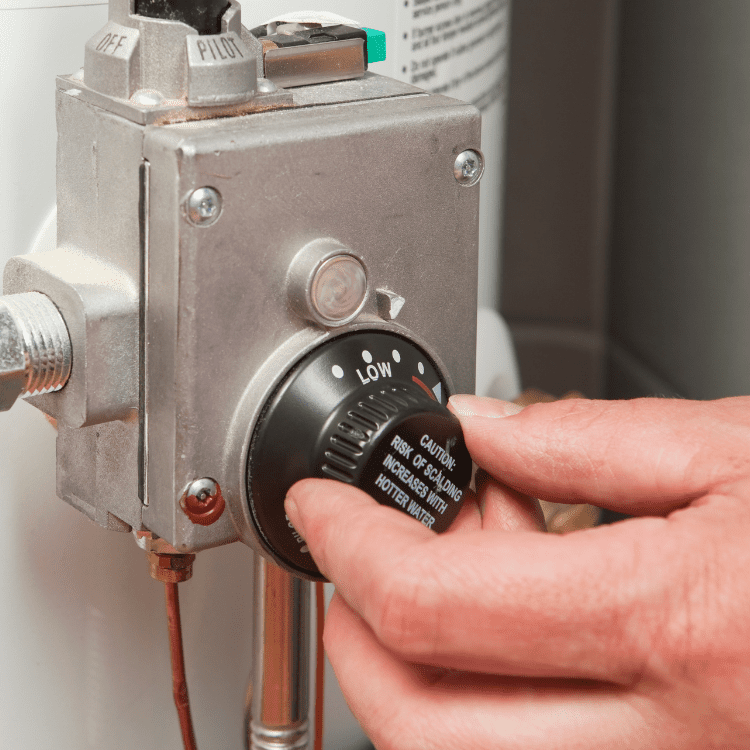
Water Heater Installation Guide for Peak Performance
North Texas homeowners usually notice their water heater only twice: when the utility bill jumps, or when a shower suddenly turns cold. In The Colony and the greater DFW area, high mineral content in the water, long hot summers, and growing household demands can all push a water heater to its limit far sooner than you might expect.
According to the U.S. Department of Energy, water heating can account for up to 18% of a home’s energy use. The difference between a poorly sized, poorly installed unit and a properly designed system can mean hundreds of dollars a year in wasted energy and repairs.
This guide walks you through what a peak‑performing water heater really looks like: how to choose the right type and size, what a professional installation should include, and how to keep it running efficiently for years. You’ll also see real examples from homes in and around The Colony so you can make smart, local decisions—not guesses.
Key Insight: A water heater doesn’t just need to “work.” It needs to be correctly sized, properly installed, and matched to your home and lifestyle to deliver reliable hot water at the lowest long‑term cost.
Understanding Your Options: Tank vs. Tankless for North Texas Homes
Choosing between a traditional tank water heater and a tankless system is the foundation of peak performance. Each has pros and cons, and the “right” answer can change based on your home, your family, and even your utility rates in The Colony.
Traditional Tank Water Heaters
Tank heaters store 30–80 gallons of hot water and keep it heated around the clock. They’re:
- Generally less expensive upfront
- Familiar to most homeowners
- Easier to retrofit in older homes
However, they lose heat through the tank walls (standby losses) and typically last 8–12 years in our hard‑water region.
Tankless (On‑Demand) Water Heaters
Tankless units heat water only when you turn on a tap. Benefits often include:
- Higher energy efficiency and lower monthly bills
- Virtually unlimited hot water when sized correctly
- Longer life expectancy (often 15–20 years)
A local family in The Colony with three teenagers recently worked with a tankless water heater repair company after their older tank unit failed for the second time in five years. They switched to an energy efficient tankless water heater sized for multiple showers and laundry at once. Their follow‑up gas bill was about 20% lower than the previous year’s same month, even with more people at home.
Quick Comparison for The Colony Homeowners
| Feature / Factor | Traditional Tank Heater | Tankless Water Heater |
|---|---|---|
| Typical lifespan (North Texas) | 8–12 years | 15–20 years |
| Upfront cost | Lower | Higher |
| Energy efficiency | Moderate (standby heat loss) | High (on‑demand heating) |
| Space requirements | Larger footprint | Compact, wall‑mounted |
| Hot water supply | Limited to tank size | Continuous (if properly sized) |
| Ideal for | Smaller households, budget projects | Larger or growing families, long‑term savings focus |
“Homeowners often focus on the sticker price of the heater, but the real cost is energy plus repairs over 10–15 years.” — ENCO Plumbing Technician
Once you understand your options, the next step is sizing your system correctly for peak performance.
Sizing Your Water Heater for Peak Performance, Not Just “Good Enough”
Even the best water heater will underperform if it’s the wrong size. Oversizing wastes energy. Undersizing leaves you shivering mid‑shower. Proper sizing is especially important in fast‑growing suburbs like The Colony, where many homes have multiple bathrooms, soaking tubs, and high‑demand appliances.
Key Sizing Factors
For tank models, pros look at:
- Number of bedrooms and bathrooms
- Peak hour demand (worst‑case: morning showers + dishwasher + laundry)
- First Hour Rating (FHR) of the heater
For tankless systems, we calculate:
- Total gallons per minute (GPM) your home might use at once
- Temperature rise (how much we must heat the incoming water)
- Gas line and venting capacity
A recent job in a two‑story home near Lewisville Lake is a good example. The family had:
- 3 full bathrooms
- A large soaking tub
- A washing machine frequently running on hot cycles
Their previous 40‑gallon tank couldn’t keep up. Working as a professional water heater contractor, our team evaluated their actual usage and replaced it with a 50‑gallon high‑recovery gas unit. We also upgraded the gas supply line to meet manufacturer specs. The result: no more mid‑shower temperature drops, and the new unit didn’t have to work as hard.
Tank vs. Tankless Sizing Snapshot
| Home Profile (The Colony Area) | Recommended Tank Size | Recommended Tankless Capacity (Approx.) |
|---|---|---|
| 2 bed / 1–2 bath, 1–2 occupants | 30–40 gallons | 5–7 GPM |
| 3 bed / 2 bath, 3–4 occupants | 40–50 gallons | 7–9 GPM |
| 4+ bed / 3+ bath, 4–6+ occupants | 50–75+ gallons or 2 heaters | 9–11+ GPM (may require multiple units) |
Correct sizing is only half the battle. Installation quality and safety measures will determine whether your system runs at its true potential.
Safe, Code-Compliant Installation: Gas, Electric, and Local Requirements
Water heater installation is not just a “hook up some pipes” project. In Texas, especially with gas units, safety and code compliance matter as much as performance. That’s where a licensed gas line repair contractor and plumbing specialist becomes essential.
Gas Water Heaters and Safety
Gas water heaters require:
- Correct gas line sizing and pressure
- Proper venting to avoid carbon monoxide buildup
- Adequate combustion air
- Seismic strapping or bracing where required
In one home in The Colony, an out‑of‑state handyman installed a gas water heater using an undersized flexible gas connector and an improperly sloped vent pipe. The homeowners noticed a faint gas smell and headaches after showers. ENCO Plumbing was called for emergency gas line repair and inspection. We shut off the gas, corrected the venting, replaced the connector, and pressure‑tested the system. The installation now meets current safety standards and operates efficiently.
“Any time we touch a gas appliance, we treat it like a life‑safety system, not just a convenience.” — ENCO Plumbing Gas Specialist
Electric Water Heaters and Load Capacity
Electric models must be matched to your home’s electrical capacity:
- Correct breaker size and dedicated circuit
- Proper wire gauge
- Grounding and bonding
- Compliance with local and NEC requirements
Overloading a panel or using undersized wiring is a fire risk and can shorten the life of your heater.
Why Local, Licensed Pros Matter
Using a licensed plumbing company near me in The Colony means:
- Familiarity with local amendments to plumbing and building codes
- Faster permitting and inspection process
- Accountability and warranty support
Peak performance starts with safe, code‑compliant installation. From there, piping layout and hot water delivery become the next big efficiency opportunity.
Smart Piping, Recirculation, and Hot Water Delivery Design
A great water heater can still feel “slow” or wasteful if hot water takes forever to reach your taps. In sprawling North Texas homes, long pipe runs to distant bathrooms or kitchens are common. Smart piping design and add‑ons like recirculation or booster pumps can transform performance.
Pipe Layout and Insulation
Efficient hot water delivery includes:
- Minimizing long, dead‑end runs where water cools in the line
- Using proper pipe sizing to maintain pressure and flow
- Insulating hot water lines, especially in garages and attics
A homeowner off Main Street in The Colony upgraded to an on‑demand system but still waited nearly a minute for hot water in a distant bathroom. We evaluated the layout and added a hot water recirculation loop. Combined with insulated lines, their “wait time” dropped dramatically and water waste was reduced.
Recirculation and Booster Pumps
Strategically used, these devices can elevate system performance:
- Recirculation pumps: Keep hot water moving through the lines so it’s available faster at fixtures.
- Booster pumps: Increase water pressure where the city supply or home layout causes low flow.
For a large two‑story home near The Colony High School, inconsistent pressure meant the upstairs shower went lukewarm when the dishwasher ran. Adding a properly sized booster pump installation and repair solution balanced the system, so the new tankless heater could perform as designed.
Traditional vs. Optimized Delivery
| Aspect | Basic Installation | Optimized Hot Water Design |
|---|---|---|
| Pipe layout | Long, uninsulated runs | Shorter routes, insulated lines where feasible |
| Wait time for hot water | 30–90 seconds in distant fixtures | Often 5–20 seconds with recirculation |
| Water waste | High (cold water down the drain) | Significantly reduced |
| Comfort and user experience | Inconsistent, temperature swings | Stable temperature, good pressure |
Once the system is delivering hot water efficiently, ongoing care and early problem detection will keep it performing at its best.
Maintenance, Leak Protection, and Extending System Life
Peak performance is not a one‑time event at installation; it’s an ongoing process. In The Colony, hard water and shifting clay soils add stress to plumbing systems and water heaters alike. Proactive maintenance and leak protection can save thousands in repairs and water damage.
Routine Maintenance Essentials
Key maintenance steps include:
- Flushing tank heaters annually to reduce sediment buildup
- Inspecting anode rods every 2–3 years
- Checking temperature and pressure (T&P) relief valves
- Descaling tankless units as needed, especially in hard‑water zones
A homeowner near The Colony Five Star Complex called for water heater services when their 7‑year‑old tank model started making loud popping sounds and delivering rusty water. Sediment had built up several inches thick. We flushed the tank, replaced the anode rod, and adjusted the thermostat. The unit recovered, and they avoided a premature replacement.
Leak Detection and Slab Protection
Water heaters and related piping can be a major source of hidden leaks:
- Slow leaks near the heater can damage walls, floors, and stored belongings
- Underground and slab leaks can undermine foundations and spike water bills
Working as a slab and wall leak detection company, ENCO Plumbing has seen The Colony homes where a small leak near a water heater turned into a major slab issue. With non invasive leak detection services, we can pinpoint issues with minimal disruption, often before they become visible.
Proactive plumbing leak detection services and inspections around your water heater can:
- Catch failing valves and fittings early
- Identify corrosion on supply lines
- Prevent mold, warping, and structural damage
Maintenance and monitoring protect your investment and your home. But what if your current heater is already struggling or failing?
Repair vs. Replacement: Knowing When to Upgrade
Not every water heater problem means it’s time for a new system. However, delaying replacement too long can be just as costly as replacing too early. Understanding where your unit stands in its lifecycle is essential for smart budgeting and peak performance.
When Repair Makes Sense
A repair is often the best choice when:
- The unit is under 6–8 years old (tank) or under 12 years old (tankless)
- The issue is isolated (thermostat, element, igniter, valve, pilot, etc.)
- The tank itself is not leaking
For example, a homeowner in The Colony called a residential hot water heater services team because their 5‑year‑old gas heater wouldn’t stay lit. Diagnosis revealed a faulty thermocouple and a partially clogged burner. After cleaning and part replacement, the heater was back to full performance at a fraction of the cost of a new system.
When Replacement Is the Better Investment
Replacement is usually recommended when:
- The tank is leaking or heavily corroded
- The unit is beyond typical lifespan and failing frequently
- Energy bills and hot water demand suggest an upgrade would pay off
- Repairs approach 40–50% of the cost of a new system
In another case near The Colony’s Austin Ranch area, a 13‑year‑old electric tank heater had already needed two element replacements and a thermostat repair. The owner called a tankless water heater services specialist to explore options. Moving to a modern high‑efficiency tankless model reduced their energy use and freed up closet space. Over the projected life of the new unit, the savings will likely surpass the installation cost.
“Think of water heater replacement like upgrading a car with 200,000 miles. At some point, efficiency, safety, and reliability justify the switch.” — ENCO Plumbing Service Manager
Having a trusted, local, full‑service team on your side makes these decisions easier and more accurate.
What This Means for Homeowners in The Colony, TX
The Colony has a mix of older homes, new construction, and remodeled properties—each with different plumbing layouts and hot water demands. Add in our hard water, shifting soil, and hot climate, and you get a region where water heater performance can vary widely from house to house.
For many homeowners here, peak water heater performance means:
- Showers that stay hot, even when multiple fixtures run
- Lower, more predictable utility bills
- Reduced risk of leaks, slab issues, and water damage
- Systems that last closer to the top of their expected lifespan
Working with a local full service plumbing solutions provider offers a major advantage. ENCO Plumbing understands how local water quality, city pressure, building codes, and typical home layouts affect performance. That knowledge shapes everything from sizing and fuel type recommendations to recirculation design and maintenance schedules.
Whether you live near the lake, closer to SH‑121, or in one of The Colony’s newer subdivisions, the same principles apply: choose the right equipment, ensure safe and precise installation, optimize hot water delivery, and protect your system with smart maintenance and leak detection. Done right, your water heater becomes something you can rely on—not something you have to think about.
Frequently Asked Questions
Q: How long should a new water heater last in The Colony’s hard-water conditions?
A: In our area, traditional tank water heaters typically last 8–12 years, while tankless models often reach 15–20 years with proper care. Hard water in North Texas accelerates sediment buildup and corrosion, which is why annual flushing and periodic anode rod checks are so important. Partnering with a professional water heater contractor for routine service can easily add several years of life to your system. If your tank unit is over 10 years old or your tankless is over 15, it’s smart to plan for replacement rather than waiting for an emergency failure.
Q: Is it worth upgrading from a tank to a tankless water heater in my home?
A: For many The Colony homeowners, yes—especially if you have a larger family, multiple bathrooms, or plan to stay in the home long term. A properly sized tankless water heater installation can reduce energy use, free up floor space, and provide virtually endless hot water. That said, upfront costs are higher and gas line or venting upgrades may be needed. A local residential plumbing contractor can compare total ownership costs and expected savings for your specific home and usage patterns.
Q: How do I know if my water heater problem is serious or just needs a simple repair?
A: Warning signs that call for prompt professional attention include: water pooling around the base, rusty or discolored hot water, loud banging or popping noises, a persistent gas smell, or the pilot repeatedly going out. These may indicate leaks, severe sediment buildup, or combustion issues. In many cases, a water heater repair and replacement specialist can resolve issues like faulty thermostats, heating elements, or igniters without replacing the entire unit. However, if the tank itself is leaking or the unit is near the end of its lifespan, replacement is usually the safest and most economical route.
Q: Can improper installation really affect performance that much?
A: Absolutely. Incorrect gas line sizing, poor venting, undersized electrical circuits, or poorly designed piping can all cripple a new water heater’s performance. We’ve seen brand‑new units in The Colony deliver weak, inconsistent hot water simply because they were never installed to manufacturer specs. Using a licensed gas line repair contractor and plumbing professional ensures proper fuel supply, safe exhaust, and efficient piping. That translates directly into faster hot water, better efficiency, and longer system life.
Q: How can I prevent leaks or slab damage related to my water heater?
A: Regular inspections, valve checks, and paying attention to early warning signs go a long way. Small leaks at fittings, corroded supply lines, or a failing T&P valve can all escalate into major water damage or even contribute to slab issues. Working with a concrete slab leak detection specialist and water leak detection specialist gives you non‑invasive ways to monitor for hidden problems. In addition, installing a drain pan with a proper drain line and, in some cases, leak detection sensors helps protect floors and foundations.
Q: Do I need a permit or inspection for a new water heater in The Colony?
A: In most cases, yes—especially for gas water heaters or when fuel type, location, or venting is changed. The City of The Colony and surrounding municipalities typically require permits and inspections to verify that installations meet safety codes. A local professional plumber handles the permitting process, coordinates inspections, and ensures your installation complies with local and national standards. Skipping this step can cause problems with insurance claims, home sales, and, more importantly, safety.
Q: My hot water runs out quickly. Do I need a larger heater or something else?
A: Running out of hot water can be caused by several issues: an undersized tank, a failing element or burner, excessive sediment buildup, or increased household demand (new bathroom, more occupants, etc.). Sometimes, a simple repair or maintenance visit from a water heater services pro restores capacity. In other cases, upsizing the tank or installing a properly sized tankless system is the best solution. A home visit that includes checking recovery rate, usage patterns, and plumbing layout will help you avoid guessing—and overspending.
Ready to Get Started?
Peak water heater performance doesn’t happen by accident. It’s the result of smart planning, correct sizing, careful installation, and consistent care. In a fast‑growing community like The Colony, where homes range from older builds to brand‑new construction, a one‑size‑fits‑all approach simply doesn’t work.
If your current system is struggling, near the end of its life, or you’re remodeling a kitchen or bathroom, now is the ideal time to evaluate your options. Waiting until the tank fails or a leak appears can mean rushed decisions, higher costs, and even emergency damage repairs. ENCO Plumbing offers truly full service plumbing solutions, from water heater repair and replacement to new kitchen and bathroom plumbing installation, so you get a complete, integrated solution—not a temporary patch.
Schedule an evaluation, ask your questions, and get a clear, written plan tailored to your home, budget, and long‑term goals. The sooner you act, the more options you’ll have—and the sooner you’ll enjoy reliable, efficient hot water again.
About ENCO Plumbing, Inc.
ENCO Plumbing, Inc. is a locally owned and operated plumbing company based in The Colony, TX, serving homeowners throughout the North Dallas area. For years, our licensed technicians have specialized in general plumbing services, water heater repair and replacement, gas line upgrades, leak detection, and complete kitchen and bathroom projects. We combine code‑compliant workmanship with practical, real‑world solutions tailored to North Texas homes and conditions. Whether you need a quick repair or a full system upgrade, ENCO Plumbing is committed to safe, reliable, and efficient results.