
Expert Plumbing Solutions for Hidden Slab Leak Detection Risks
Last month, a homeowner in The Colony, TX called because their water bill jumped for no clear reason. No puddles in the yard. No obvious wet drywall. But they did notice the air conditioner running longer than usual and a faint, “damp” smell near a hallway closet—right where the home’s plumbing routes through the slab.
That’s a common setup for a hidden issue: slab leaks. In North Texas, those leaks can sit quietly under concrete for months, soaking soil and slowly damaging the foundation or interior finishes before you ever see a clear “water leak” sign.
Quick Answer
A hidden slab leak is typically suspected when you see a combination of higher water use, warm spots on floors, moldy odors, cracks that don’t match normal settling, or low water pressure—even if you don’t see standing water. The safest way to confirm the source is non-invasive or minimally invasive leak detection, followed by repair designed for your pipe material and slab layout.
If you’re hearing recurring hissing sounds, noticing unexplained moisture, or your bill keeps climbing, don’t wait for visible damage—early detection is what keeps the repair manageable.
How Hidden Slab Leaks Actually Cause Damage
Slab leaks happen when water supply lines or waste lines break under the concrete foundation. Once a pipe fails, water doesn’t always pool on the surface. Instead, it can:
- Track through soil and collect under edges of the slab
- Moisten subgrade, raising humidity and promoting musty odors
- Weaken soil support under certain sections of the foundation
- Cause micro-cracking that may show up as interior drywall cracks later
A technician observation we see often
In the field, we’ll sometimes find that the homeowner’s “first sign” isn’t water on the floor—it’s the behavior change in the home. For example, the water meter may show flow when no fixtures are running, or the water pressure fluctuates after the system cycles. By the time obvious wall staining appears, the leak has often been active long enough to affect both finishes and the area under the slab.
What “non-invasive” means in real life
Non-invasive slab leak detection typically uses methods such as:
- Acoustic listening (pinpointing sound patterns)
- Pressure testing to isolate the affected zone
- Thermal imaging in suitable conditions
- Meter-based diagnostics to confirm active leakage
Then, if the exact location still needs refinement, technicians may use minimally invasive confirmation steps before opening concrete—so you’re not paying for unnecessary demolition.
If you suspect a leak, it helps to start with focused diagnostics rather than random access. ENCO Plumbing provides slab leak detection services that are designed to identify the problem accurately before repair.
Signs You Need Plumbing Repairs (Not Just “Keep Watching”)
Here are common indicators homeowners report in North Texas homes—especially older builds or homes with active hard-water conditions:
- Unusually high water bills with no change in household habits
- Water meter movement when everything is off
- Warm or cool patches on floors (varies by leak type and water temperature)
- Recurring damp odors in closets or near exterior walls
- New cracks in sheetrock or tile that appear near plumbing runs
- Low hot water pressure or pressure drops that come and go
- Frequent cycling of the water heater or pump systems
What Homeowners Often Ignore
Hidden slab leaks don’t always behave like visible leaks. That’s why many homeowners delay calling a pro.
Common mistake homeowners make: waiting for “obvious” water
A lot of people assume slab leaks will create puddles. In reality, the slab can act like a barrier—water seeps into the soil, then comes back up through other paths (like along the edges of the slab or through small openings). By the time drywall shows staining, the leak has already contributed to moisture buildup and potential foundation stress.
Another frequent issue: homeowners try to solve it by replacing a visible component (like a faucet cartridge or a toilet fill valve) while the real problem sits under concrete.
Another mistake: relying on DIY “bucket tests” alone
Bucket tests are useful for toilet leaks, but they won’t confirm a buried pipe failure. If your meter is running and toilets are fine, you need leak detection that matches the scope of the system—not just a fixture-level check.
A realistic anonymized case
We once worked with a homeowner who believed a toilet was the culprit because they could hear a subtle tank refill. Replacing the fill valve reduced the sound, but the water meter still showed activity. After proper slab leak diagnostics, we located a supply line leak under the living area. The repair prevented months more of hidden moisture—along with the cost of potential flooring replacement later.
For more context on how leaks and fixture failures connect, you may also find helpful plumbing leak detection services and water line repair pages.
Repair Options and Prevention: What Actually Works
Once a leak is located, the best repair depends on pipe material, exact location, and how accessible the line is.
Typical repair paths (and what to consider)
- Targeted slab repair: Open only where needed based on accurate detection
- Pipe replacement/realignment: If the line is significantly compromised
- Spot repair: For certain failures where access and pipe condition support it
- System adjustments: Sometimes the repair includes correcting pressure issues or protecting against future stress
Plumbing efficiency recommendation
If your home has recurring pressure issues or the leak appears alongside abnormal cycling, we often recommend evaluating the water pressure regulation and overall system health. In North Texas, fluctuating pressure—combined with hard water—can accelerate wear on seals, joints, and older pipe sections. A repair that ignores the cause can fail early.
Maintenance/prevention checklist for homeowners
You can’t “prevent” every slab leak, but you can reduce the odds and catch problems sooner:
- ☐ Monitor your water meter monthly (or when bills jump)
- ☐ Check for warm floor areas near bathrooms, kitchens, and exterior walls
- ☐ Look for new drywall cracks or changes in grout lines (especially near plumbing chases)
- ☐ Keep soil drainage around the foundation functioning (standing water increases exposure)
- ☐ Flush your water heater sediment maintenance plan (hard water accelerates buildup)
- ☐ Have your plumbing inspected before major seasonal swings
- ☐ Don’t ignore slow recurring drips—they can mask a bigger issue elsewhere
If your slab leak suspicion is paired with hot water problems, it may also be worth reviewing water heater services. ENCO Plumbing offers water heater repair and replacement, including tankless options at tankless water heater repair company.
Quick Comparison: Repair vs. “Wait It Out”
| Situation | What “waiting” usually means | What a professional repair often does |
|---|---|---|
| Active leak with rising bills | Ongoing moisture under slab, higher risk of foundation/finish damage | Pinpoint location, stop flow, minimize slab opening |
| Leak with odor or dampness | Hidden damage grows before visible signs | Diagnose moisture pathway and address cause, not symptoms |
| Leak suspected but unconfirmed | Guessing increases repair cost and disruption | Detection-based confirmation reduces unnecessary demolition |
The Colony / North Texas Relevance: Why Slab Leaks Are a Local Risk
North Texas homes face conditions that can make slab issues harder to catch:
- Seasonal temperature swings can contribute to expansion/contraction cycles in plumbing materials
- Hard water is widespread in the region and can shorten the lifespan of internal components and joints
- Many homes in fast-growing Dallas-area communities have plumbing routed through slab foundations where access is limited
- Foundation movement—sometimes subtle—can stress buried runs over time
In other words, slab leaks in The Colony aren’t just a “plumbing problem.” They’re a home system problem involving soil moisture, foundation stability, and interior surfaces. That’s why accurate slab and wall leak detection matters—ENCO Plumbing focuses on pinpointing the source quickly so repairs don’t become guesswork.
If you want to understand how leak detection fits into a broader plumbing maintenance plan, you can also explore general plumbing services for system-wide support.
FAQ
How do I know if I have a slab leak?
Start with indirect evidence: check your water meter for movement when no fixtures are running, watch for unexplained bill increases, and note any unusual odors or floor temperature changes. If you suspect a slab leak, the next step is professional leak detection to locate the failure without unnecessary concrete demolition.
Can slab leaks happen even if there’s no water on the floor?
Yes. Water can travel through soil and collect under slab edges or along pathways that don’t immediately create visible puddles. That’s why meter-based diagnostics and acoustic/thermal methods are so valuable—visible signs often appear late.
Should I repair or replace plumbing lines if a leak is found?
It depends on pipe condition, material, and how extensive the damage is. A localized repair may be enough if the rest of the line is healthy. If multiple weak points exist or the pipe has significant corrosion, replacement of a longer segment can be more cost-effective long-term.
What should I do immediately if I suspect a slab leak?
Reduce water usage and avoid adding pressure to the system. If you’re able, confirm whether the meter shows flow after turning off fixtures. Then schedule leak detection so the repair plan is built on accurate location—not guesswork.
Ready to Protect or Upgrade Your Plumbing System?
Hidden slab leaks can be expensive precisely because they’re hard to see. The good news is that with the right diagnostics, you can stop the leak early and reduce the risk of foundation and interior damage.
About ENCO Plumbing, Inc.
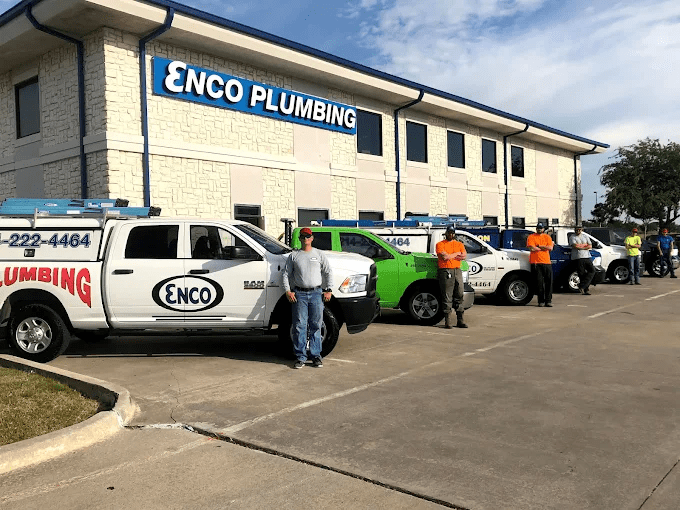
ENCO Plumbing, Inc. provides plumbing repair, leak detection, water heater installation and repair, drain clearing, gas line repair, and remodeling plumbing services throughout The Colony, TX and surrounding North Texas communities. The company focuses on reliable plumbing solutions, accurate diagnostics, long-term system performance, and helping homeowners prevent costly damage through professional service and maintenance.