
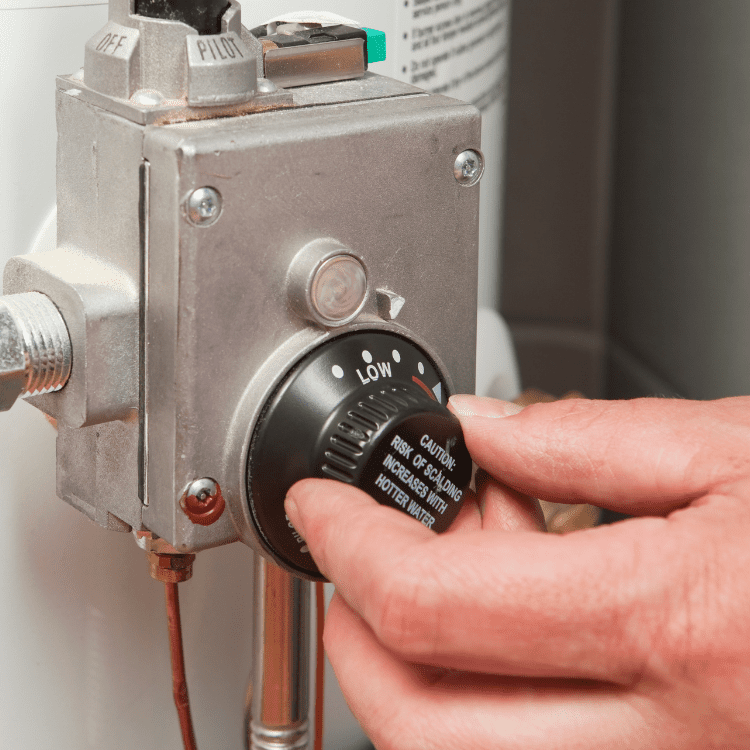
Water Heater Installation: Choose Right, Avoid Costly Repairs
Last winter in The Colony, TX, one of our customers called because they were getting lukewarm showers—then the issue turned into no hot water by mid-morning. The heater hadn’t “fully failed” right away. Instead, it was slowly losing performance: temperature swings, longer recovery times, and a faint smell near the unit that made them uneasy.
That’s a common pattern we see with both traditional and tankless systems. When a water heater is installed (or replaced) without matching the home’s real needs—gas type, inlet pressure, venting, water chemistry, and hot water demand—you don’t just risk comfort issues. You can end up paying again sooner than expected.
Below is how to choose the right installation approach, what we typically check before we set the first fitting, and the mistakes that lead to expensive repairs.
Quick Answer
For most North Texas homes, the “right” water heater installation is the one that matches:
- Your household hot water demand (not just the heater size on the box)
- Proper gas/electrical hookups and safe venting
- Correct pressure regulation and water connections
- Drain/pressure relief discharge setup
- Compatibility with local water conditions and maintenance needs
If you’re seeing inconsistent water temps, frequent burner cycling, leaks, or sediment-related performance loss, it’s usually time for a professional inspection—often before the heater fully fails.
What Homeowners Often Ignore (Until It Costs Them)
A lot of homeowners focus on the sticker price or the heater model name. But the problems that shorten a water heater’s life frequently come from the installation details around it—not the appliance itself.
The homeowner scenario we see a lot
A family replaces a failing tank heater with a “similar size” unit and notices improvements for a few weeks. Then:
- hot water recovery feels slower again,
- the unit starts making unusual noises,
- and eventually there’s a leak at a connection or a temperature/pressure issue.
In many cases, the root cause is sediment and scaling that wasn’t addressed, or the new unit was installed without correcting the underlying conditions (like poor venting, inadequate expansion tank/pressure control, or the wrong setup for the home’s water pressure).
Firsthand technician observation (what’s usually different on service calls)
When we inspect older heaters, we often find:
- sediment buildup in tanks that were “working,” but struggling,
- corroded fittings where previous connections were tightened without proper alignment or with mismatched materials,
- and in gas units, signs the venting path or combustion air conditions weren’t ideal.
Even a small installation oversight can cause repeated cycling, premature component wear, and leaks at the exact spots that are hardest to access later.
Common Mistakes Homeowners Make
Here are the installation and decision errors that most often lead to “why did it break again?” calls.
1) Choosing the wrong size based on habit, not demand
A common mistake is sizing based on “how we used to use hot water” instead of current needs. Bigger families, more showers, a dishwasher upgrade, or a remodel can change demand quickly. Oversizing can waste energy and shorten equipment efficiency. Undersizing causes constant cycling and stress.
2) Reusing old valves, connectors, or venting components
We’ll sometimes see replacement heaters installed using:
- older shutoff valves with hidden corrosion,
- mismatched pipe materials,
- or venting parts that are no longer compatible with the new unit’s requirements.
With gas and vented water heaters, small changes in vent sizing or routing can matter a lot for safety and performance.
3) Ignoring water pressure and expansion control
North Texas homes can experience pressure fluctuations, and some systems don’t have proper pressure regulation or expansion control. If pressure is too high or the system can’t handle thermal expansion, you may see:
- relief valve discharge,
- accelerated wear,
- and leaks at fittings that “shouldn’t” be failing.
4) Skipping maintenance because the unit “still makes hot water”
Hard water and sediment buildup are real in the Dallas-area. A heater might still heat, but the heat transfer efficiency drops. That means the unit works harder, cycles more often, and wears internal components faster.
5) Installing in a way that traps water at the base
Leaks aren’t always obvious until they spread. Incorrect drain pan setup, poor discharge routing, or missing corrosion-resistant connections can lead to moisture damage around the unit—especially in tight mechanical closets.
Repair, Installation, or Replacement? (How We Decide)
Homeowners often ask whether they should repair or replace. The answer isn’t just “how old is it?” It’s also about what failed and what condition the system is in.
Water Heater Repair vs Replacement
| Situation | Repair makes sense if… | Replacement is usually better if… |
|---|---|---|
| Tank leaks | Leak is minor and we can safely address it (rare) | The tank is leaking or corrosion is widespread |
| No hot water / poor performance | Burner/electrical parts are the issue | Sediment buildup is heavy or multiple components are failing |
| Temperature swings | Thermostat/valve issues are isolated | It’s tied to sediment/heat transfer problems |
| Tankless issues | Ignition, filters, or minor controls can be corrected | Sizing/venting issues or repeated scale buildup is driving failure |
| Frequent pressure/relief valve discharge | We can correct pressure/expansion control | The system repeatedly relieves due to underlying plumbing conditions |
A practical rule of thumb: if the unit is already showing performance decline and you’re seeing temperature instability, you’ll often get better long-term value by replacing the heater with a properly matched system—rather than repeatedly repairing parts that are being stressed by sediment, pressure, or installation factors.
If you want to understand adjacent issues that can affect hot water performance, you might also find help with plumbing leak detection services—because hidden leaks can make hot water demand rise without you realizing it.
What Actually Improves Plumbing Performance (Installation Checklist)
When we install a water heater, we treat it like a system—not a standalone appliance. Here’s the practical checklist we use to reduce the odds of repeat service.
Pre-install checks we perform
- Confirm the hot water demand (household size, usage patterns, bathrooms, laundry/dishwasher habits)
- Measure water pressure and verify the pressure relief path is correct
- Inspect existing plumbing connections for corrosion or mismatched fittings
- Verify gas supply and type (for gas units) and ensure safe, code-compliant connections
- Assess venting/combustion air for safe gas operation
- Check drain/condensate routing for tankless systems where applicable
During installation
- Install proper shutoff valves and confirm shutoff accessibility
- Use compatible inlet/outlet connections and correct materials to reduce future corrosion
- Set up correct discharge routing for relief valves
- Confirm correct temperature settings and safe operational parameters
- For tankless: verify flow rate and sizing for your household and fixtures
After installation
- Test operation and verify stable temperature production
- Check for leaks at every connection
- Confirm no abnormal combustion/venting behavior for gas units
- Explain a simple maintenance routine so you’re not guessing later
Realistic Example: A Tankless Upgrade Case (Anonymized)
A homeowner north of The Colony replaced an older tank heater that was losing efficiency. They were excited about on-demand hot water, but their first week revealed a problem: when multiple fixtures ran (shower + dishwasher), hot water dropped in temperature and the unit cycled aggressively.
On inspection, we found two contributing factors:
1) the tankless unit selection didn’t reflect the home’s simultaneous usage patterns, and
2) the inlet conditions and flow setup weren’t optimized for stable output.
The fix wasn’t “more repairs.” It was correcting the system match—adjusting the setup so the unit could deliver stable hot water without constant cycling. After the correction, recovery was smoother, and the homeowner stopped experiencing that frustrating “good for one fixture, not for two” limitation.
This is exactly why “choose right” matters. Tankless can be excellent—but only when installed to the home, not the showroom estimate.
The Colony / North Texas Relevance: Why Local Conditions Matter
In the Dallas-area, a few conditions show up again and again:
- Hard water and mineral buildup that can shorten heater efficiency and increase sediment
- Seasonal temperature swings that change demand (more hot water in winter, different usage patterns after schedules shift)
- Water pressure variability in fast-growing residential areas
- Homes with older plumbing runs where fittings and valves may already be near the end of their service life
That’s why our approach in The Colony isn’t just “install a heater.” It’s making sure the heater installation aligns with the home’s plumbing realities—so you get reliable hot water and fewer callbacks.
If you’re also dealing with drain or fixture issues during your replacement timeline, it can affect water usage and maintenance. For example, water heater repair and replacement often comes up alongside drain clearing needs, especially when sediment or hot water usage patterns are already stressed.
Maintenance & Prevention Checklist (So You Don’t Repeat the Call)
Use this simple routine to protect your investment.
Water Heater Maintenance Checklist
- Check for leaks around the base, valves, and discharge line
- Look for signs of sediment: rumbling noises, slower recovery, or inconsistent temperatures
- Verify temperature setting (many households do better around the recommended mid-range—too hot can increase scaling and risk)
- Test pressure relief valve discharge only if you know how to do it safely (or leave it to a pro)
- Flush the tank (typical schedule depends on water conditions; hard water often means more frequent attention)
- For tankless: check and service scale buildup as recommended
- Keep the area around the heater clear and dry (no storage that traps moisture)
If you’re unsure how to confirm whether sediment is becoming a problem, we can help with a full diagnostic. And if your issue is related to water leaks around your home, consider water line repair or leak detection services—because hidden leaks can quietly drive up hot water demand and utility costs.
Plumbing Efficiency Recommendation (Often Overlooked)
One of the best “efficiency wins” we recommend after installation is pairing the water heater setup with proper control of hot water delivery.
For many homes, a recirculation system can improve comfort and reduce wasted wait-time water at fixtures. If your household hates running the shower until it’s hot—or you’ve got long pipe runs—ask about options like:
- recirculation pump installation and repair
This isn’t just convenience. It’s a practical way to reduce unnecessary water heating cycles and “down-the-drain” hot water while you wait for temperature.
Quick Notes on Safety (Gas and Electric)
- Gas heaters require correct venting and combustion air conditions. If you ever notice a persistent smell, discoloration, or unusual burner behavior, shut down and call a professional.
- Electric heaters require correct wiring and safe component operation.
- Either way, always ensure the relief valve discharge is routed correctly and never blocked.
If you suspect gas-related concerns, we can also help with related work such as gas line repair services and emergency troubleshooting when needed.
References (Industry Context)
- The U.S. Department of Energy notes that water heating is one of the largest energy uses in many homes, and choosing efficient equipment can significantly reduce energy costs (U.S. DOE, Energy Saver).
- The U.S. Environmental Protection Agency highlights that fixing leaks and improving water efficiency helps reduce both water waste and related costs (EPA WaterSense resources).
- Industry guidance from organizations like ASSE and plumbing code bodies emphasizes correct relief valve discharge routing and proper installation practices for safety.
(We reference these standards and efficiency frameworks because they align with the practical checks we perform during installation and service.)
FAQ
Should I repair my water heater or replace it?
If the unit is leaking from the tank, replacement is usually the most reliable option. If performance is deteriorating (temperature swings, slow recovery, frequent cycling), replacement can be more cost-effective than repeated repairs—especially when sediment or pressure issues are involved. A professional inspection helps determine whether the problem is isolated (like a control component) or systemic (like scaling/heat transfer decline).
How do I know if my tankless water heater is sized wrong?
Common signs include temperature drops when multiple fixtures run, frequent cycling, or inconsistent hot water. Sometimes it’s also related to flow restrictions, scaling, or venting/combustion setup. Correct sizing and proper installation are key to stable performance.
What causes relief valve discharge?
Relief valve discharge often points to excessive water pressure, thermal expansion without proper control, or a malfunctioning temperature/pressure setup. In those cases, “turning the temperature down” may not be enough. The underlying plumbing conditions need to be evaluated and corrected.
How often should I flush a tank water heater?
In hard-water areas, flushing is typically more frequent than in regions with softer water. If you hear rumbling, notice slower recovery, or see performance decline, sediment is likely building up. The right schedule depends on water quality and usage, so it’s best to base it on inspection and test results.
Ready to Protect or Upgrade Your Plumbing System?
If you’re planning a water heater replacement—or your current unit is showing early warning signs like inconsistent temperatures, slow recovery, or leaks—getting the installation details right can save you money and avoid repeat repairs.
About ENCO Plumbing, Inc.
ENCO Plumbing, Inc. provides plumbing repair, leak detection, water heater installation, drain clearing, gas line repair, and remodeling plumbing services throughout The Colony, TX and surrounding North Texas communities. The company focuses on reliable plumbing solutions, accurate diagnostics, long-term system performance, and helping homeowners prevent costly plumbing damage through professional service and maintenance.