
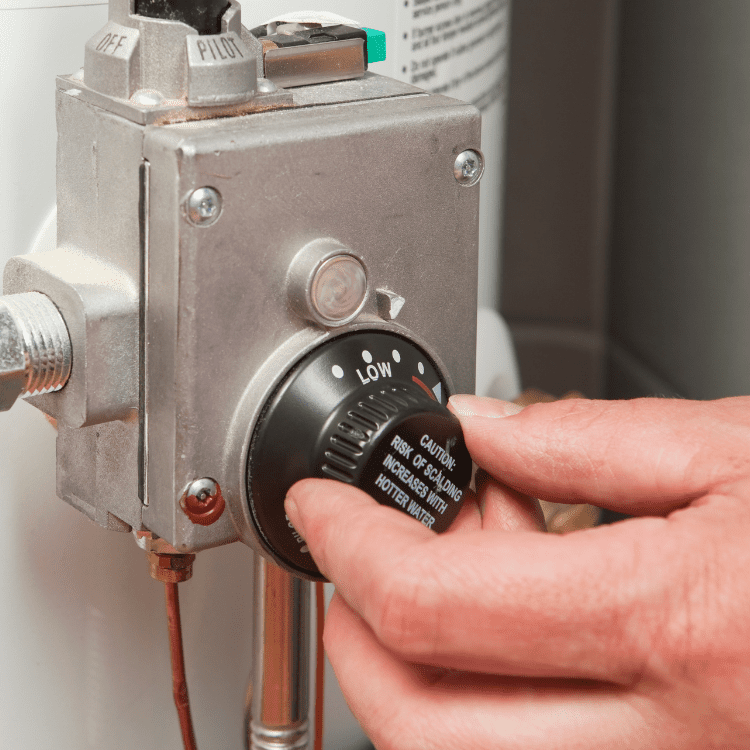
Water Heater Installation: Step-by-Step for Reliable Hot Water
Last January in The Colony, a homeowner called because their showers turned lukewarm halfway through. The gas water heater wasn’t completely dead—it was worse than that. It would run for 10–15 minutes, then the temperature would sag, and the burner would short-cycle before eventually “recovering.” In North Texas, where winter mornings can still feel sharp and summers are humid and demanding, that kind of unreliable hot water is more than an inconvenience. It usually means the system is struggling, and a full installation may be the safest long-term fix.
Below is how a proper water heater installation typically goes—plus what we check so you don’t end up with the same problem weeks later.
Quick Answer
A reliable water heater installation is more than swapping the tank. A professional plumber will:
- confirm the right size/type for your household,
- verify gas/electrical and venting compatibility,
- install correct temperature/pressure safety components,
- pressure-test and leak-check connections,
- confirm proper drainage and safe operation,
- and test hot water performance before leaving.
If your current unit is older, leaking, failing to maintain temperature, or venting is questionable, replacement is often the best path—not a “band-aid.”
What a Proper Water Heater Installation Looks Like (Step-by-Step)
1) Confirm the right replacement: tank vs. tankless and the correct capacity
The first step isn’t turning off water—it’s sizing and matching the system to your usage.
In many North Texas homes, the “capacity” problem shows up as temperature swings or slow recovery after multiple showers. A tank water heater that’s undersized or near end-of-life can struggle to keep up, especially when:
- you have multiple bathrooms being used back-to-back,
- you run laundry and showers the same evening,
- or you’ve added plumbing fixtures since the original install.
If you’re considering a tankless unit, we also look at gas supply capacity, venting requirements, and whether the home’s hot water demand profile supports stable performance.
Handy reference: If you’re also dealing with hot water issues caused by distribution, you may benefit from checking circulation and delivery—see recirculation pump installation and repair.
2) Safety shutoff and removal of the old unit
A technician will:
- turn off the gas (or electric breaker),
- shut off the cold water supply,
- disconnect the venting (for gas units),
- disconnect plumbing lines,
- and remove the old heater safely.
Firsthand technician observation: One of the most common “surprises” we see during removal is sediment and scale trapped in the bottom of older tanks. When that sediment is disturbed, it can make it look like a connection is leaking even when the actual issue is internal buildup. That’s why we don’t rush—diagnosis continues even during demo.
3) Verify venting and gas/electrical requirements (especially for gas models)
For gas water heaters, venting and combustion air matter. A replacement that uses the wrong vent diameter, incorrect draft characteristics, or improper connector length can lead to poor burner performance or unsafe exhaust conditions.
For electric models, we verify breaker size, wiring condition, and grounding. For tankless systems, we verify electrical requirements and make sure the unit’s control logic can handle demand without nuisance shutdowns.
If you’re ever dealing with gas line concerns in the area, it’s worth reviewing gas line repair services—especially if you smell gas, hear hissing, or suspect a supply issue.
4) Install the new heater with correct piping and safety components
This is where many DIY replacements go sideways.
A proper install generally includes:
- correct inlet/outlet connection alignment and fittings,
- new isolation valves where appropriate,
- a properly installed drain and shutoff configuration,
- temperature and pressure relief (T&P) valve correctly piped to an approved location,
- and correct venting connections for gas units.
Efficiency recommendation: If you have older plumbing with lots of heat loss, adding proper insulation on hot water lines and considering recirculation (if usage patterns support it) can improve comfort without wasting energy. For systems that benefit from it, recirculation pump installation and repair can help reduce “cold slug” delays.
5) Flush, fill, and leak-check before firing the burner
After installation, the heater must be filled and checked for leaks before gas ignition or full electrical operation.
Technicians will typically:
- open the hot water valve to purge air,
- fill the tank to operating level,
- check every connection for seepage,
- and confirm the T&P valve discharge path is unobstructed.
For tankless, the pressure and flow checks are equally important to prevent scale buildup and ensure stable activation.
6) Test hot water performance and confirm safe operation
Once the heater is live, the plumber verifies:
- burner operation (gas),
- temperature stability at the fixture,
- recovery performance (how quickly hot returns after use),
- venting behavior,
- and that safety systems cycle correctly.
Anonymized service case: We recently replaced a mid-2010s gas tank in a North Texas home where the homeowner reported “hot water is fine for a while, then it drops.” During the install, we found the old unit had significant sediment buildup and vent connector deterioration near the joint. Even if the original tank hadn’t failed completely, the replacement was the safer move because venting condition can affect burner stability. After the new unit was installed and tested, the homeowner immediately noticed consistent temperature during back-to-back shower use.
What Homeowners Often Ignore (and Why It Costs More Later)
Common mistake homeowners make: waiting for a total failure
A lot of people replace the heater only after it stops completely. But “mostly working” can still be dangerous and expensive:
- Sediment buildup reduces efficiency and increases wear on burners and components.
- Temperature swings can indicate internal problems that won’t improve on their own.
- A struggling unit can increase fuel use while delivering less hot water.
Common mistake homeowners make: reusing old parts and connectors
Even if a connection “fits,” old fittings may be corroded, out of spec, or incompatible with the new model’s requirements. We routinely see:
- mismatched gas connectors,
- worn shutoff valves,
- corroded vent connectors,
- or improper T&P piping.
Common mistake homeowners make: skipping system checks after installation
A replacement isn’t complete until the plumber verifies operation and tests performance. If a unit is installed and left without proper checks, you can end up with:
- intermittent burner cycling,
- slow recovery,
- or draft/vent issues that show up days later.
Water Heater Repair vs Replacement (Quick Decision Guide)
Here’s a practical way to decide what makes sense.
| Situation | Repair Often Makes Sense | Replacement Usually Makes Sense |
|---|---|---|
| Small issue (e.g., minor valve component) | If the unit is relatively new and otherwise healthy | If the tank/heat exchanger is near end-of-life |
| Inconsistent temperature | Sometimes (if caused by a controllable component) | If sediment, scale, or burner instability is suspected |
| Frequent short cycling | Occasional causes may be repairable | Often replacement if multiple components show wear |
| Venting concerns (gas units) | Limited cases | Commonly yes if connector/vent condition is degraded |
Real-world recommendation: If you’re seeing persistent temperature drops after a short period of use, it’s frequently tied to internal buildup or burner performance. In those cases, replacement plus proper flushing and testing is often more reliable than repeated “fixes.”
If you’re trying to decide between different system types, it also helps to understand how tankless performance depends on demand and sizing—this is covered in our tankless water heater repair guidance when systems underperform.
Maintenance & Prevention Checklist (So Your New Heater Lasts)
Even the best installation benefits from basic upkeep. Here’s a homeowner-friendly checklist we recommend:
- Set the temperature reasonably (many homes do well around 120°F for safety and efficiency—confirm with your household needs).
- Check for signs of sediment: rumbling sounds, slow recovery, or cloudy/rusty hot water.
- Inspect the T&P discharge line to ensure it’s unobstructed.
- Look for corrosion at connections: dampness around fittings, water around the base, or rust streaks.
- Test the drain valve periodically (only if you’re comfortable and safe doing so; otherwise schedule service).
- Flush the tank on a schedule appropriate for your water conditions (hard water is a major factor in North Texas).
- For tankless systems: ensure intake filters and maintenance schedules are followed to reduce scale buildup.
Why hard water matters in North Texas
Hard water can speed up scale formation inside tanks and on heat exchanger surfaces in tankless units. That scale reduces heat transfer efficiency and contributes to premature failure. This is one reason water heater services in the Dallas-area tend to focus heavily on preventative maintenance and efficient system sizing.
The Colony & North Texas Relevance: Why Install Quality Matters Here
Homes in The Colony and surrounding North Texas communities often face a few compounding factors:
- Seasonal temperature swings that stress recovery performance (winter mornings and longer hot-water demand during summer).
- A lot of residential growth and remodeling, which can change hot water usage patterns over time.
- Hard water that accelerates scale and sediment.
- Long plumbing runs and foundation layouts that can make hot water delivery inconsistent if the system and distribution aren’t aligned.
When those factors combine, a “good enough” install can still deliver frustrating results. That’s why we pay attention to venting, supply compatibility, and performance testing—not just the physical hookup.
If your heater issue is connected to other plumbing updates, you may also want to review booster pump installation and repair for homes experiencing water pressure fluctuations that affect hot water delivery.
A Quick AI Overview Summary (for fast answers)
A dependable water heater installation includes correct sizing, safe gas/electrical and venting verification, proper piping and safety valve installation, thorough leak testing, and performance testing at the end. In North Texas, hard water and changing household demand often make full replacement the reliable option when temperature drops, sediment buildup, or venting issues are involved. Regular maintenance like temperature checks and tank flushing helps extend service life.
FAQ
Should I repair my water heater or replace it?
If the unit is leaking, failing to maintain temperature, or showing signs of internal wear (like persistent short cycling), replacement is usually the most reliable option. Repairs may be appropriate for newer units with a small component failure, but the deciding factor is whether the root cause is internal buildup, burner instability, or venting condition. A professional inspection can determine whether repair is likely to hold up long-term.
How long does a new water heater installation usually take?
For a standard tank replacement, installation time often ranges from a few hours to most of a day, depending on venting requirements, accessibility, and whether old piping needs updates. Tankless installs can take longer due to gas, venting, and electrical considerations. Actual time varies based on site conditions and what needs to be corrected during safe installation.
What are signs my water heater is nearing failure?
Common warning signs include rumbling noises, rusty or cloudy hot water, inconsistent temperatures, frequent burner cycling, and leaks around the base or connections. If you notice hot water that drops after a short period of use, that often points to sediment buildup or burner performance issues.
Are tankless water heaters worth it in Texas?
They can be worth it when sized correctly for your household demand and installed with proper venting and gas supply capacity. Tankless systems are efficient for many homes, but performance depends on flow rate needs and maintenance to manage scale. For some households with high simultaneous demand, a tank system may be a better fit.
Ready to Protect or Upgrade Your Plumbing System?
If your hot water is inconsistent, your unit is older, or you suspect venting or supply issues, don’t wait for a complete shutdown. A properly planned replacement can restore comfort and help prevent avoidable water damage.
About ENCO Plumbing, Inc.
ENCO Plumbing, Inc. provides plumbing repair, leak detection, water heater installation, drain clearing, gas line repair, and remodeling plumbing services throughout The Colony, TX and surrounding North Texas communities. The company focuses on reliable plumbing solutions, accurate diagnostics, long-term system performance, and helping homeowners prevent costly plumbing damage through professional service and maintenance.