
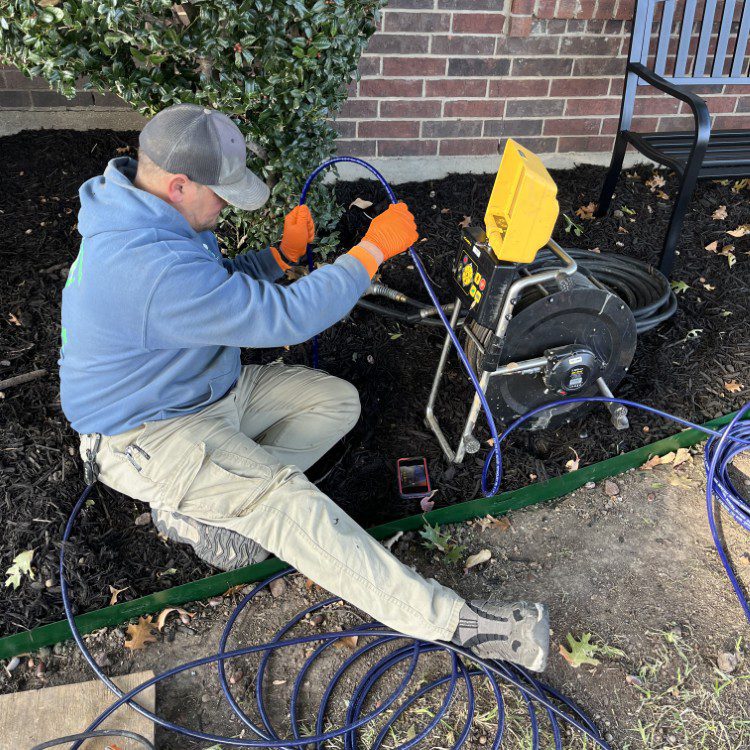
Slab Leak Detection: Protect Foundations With Smart Plumbing Insights
A homeowner in The Colony recently called ENCO Plumbing after noticing two things that didn’t seem related at first: their water bill had climbed for two straight months, and the kitchen tile near an outside wall felt slightly cooler than the rest of the floor. No obvious puddles. No wet drywall. Just a slow, quiet change—exactly the kind of situation where slab leaks can hide.
In North Texas, slab foundations and underground plumbing are common, and the climate can mask early leak symptoms. Moisture can travel under concrete before it shows up as visible damage. The longer a leak continues, the more it can affect the foundation, landscaping, and indoor finishes.
Quick Answer
Slab leaks are leaks in plumbing lines under a concrete foundation. The most reliable detection uses a combination of pressure testing, specialized leak locating equipment, and—when needed—non-invasive methods that listen for or track water movement underground. If you notice unexplained water usage, warm spots near exterior walls, musty odors, or recurring low water pressure, you should schedule slab leak inspection services before the problem damages the slab or moves into the walls.
What Homeowners Often Ignore (Until It’s Expensive)
Hidden slab leaks don’t always look dramatic at first. In many homes, the plumbing line is leaking just enough to waste water and build moisture slowly, but not enough to flood a room.
Here are the warning signs we see most often:
- Unexplained increases in the water bill (especially with no new appliances or irrigation changes)
- Dampness, discoloration, or bubbling paint on interior walls—sometimes only after long dry spells
- Warm flooring near exterior walls or cool-to-the-touch areas that don’t match the rest of the room
- Low water pressure that comes and goes
- Sound of running water when everything is off (sometimes faint)
- Musty odors that feel “out of place” for a home with no obvious plumbing leak
How Slab Leaks Actually Form (And Why They Go Unnoticed)
From a technician’s perspective, the biggest challenge isn’t only finding the leak—it’s proving where it is and how active it is.
In slab foundations, pipes can be exposed to:
- Soil movement and foundation settling over time
- Corrosion (especially on older systems)
- Joint failures where plumbing lines connect beneath the slab
- Thermal expansion and contraction (a real factor in North Texas temperature swings)
- Poorly supported lines that flex as the ground shifts
Firsthand observation from the field: one of the most common patterns we see is a leak that’s active enough to raise the meter reading but not consistent enough to create obvious wet spots right away. Moisture spreads under concrete, and the “symptoms” may appear only when enough water accumulates or when indoor humidity levels change.
If you’re hearing about “concrete slab leak detection” online, remember: detection is rarely one single test. It’s usually a careful sequence to rule things out, confirm the leak is real, and then locate it.
For related diagnostics, homeowners sometimes also ask about slab leak inspection services, because the inspection process helps determine whether the problem is underground, in a wall, or tied to a different plumbing component.
Leak Detection Checklist (What We Look For)
A good leak detection service is systematic. Here’s the checklist we use to keep the process efficient and accurate:
1. Confirm unusual water use
- We review how water usage changes and test for ongoing flow.
2. Isolate likely sections
- We narrow down whether the leak is on the hot side, cold side, or another branch.
3. Pressure testing and system monitoring
- Pressure behavior helps confirm a leak versus a faulty regulator or fixture issue.
4. Use non-invasive leak locating methods when appropriate
- Specialized equipment helps locate the leak path without unnecessary demolition.
5. Evaluate the plumbing material and installation
- The type of pipe and how it was laid affects both the leak pattern and the repair approach.
6. Map the likely repair zone
- The goal is to avoid “guess-and-chop” repairs that cost more and increase disruption.
If you’re also dealing with other hidden water issues, you may want to compare our approach to general plumbing leak detection services so you understand what’s included and how we tailor it to your home.
Common Mistakes Homeowners Make
1) Waiting for visible damage
A leak can travel under the slab for weeks or months before flooring or drywall shows clear signs. By then, the moisture has already changed the soil and can contribute to foundation stress.
2) Assuming “no puddles = no leak”
Slow leaks can evaporate or spread thinly enough to avoid puddles—especially in homes with air conditioning cycling and consistent indoor climate.
3) Turning off a valve and declaring it fixed
Some leaks aren’t fully controlled by common shutoffs. Others continue because of pressure trapped in sections or because the leak occurs between the shutoff and the slab.
4) Using DIY dye tests or “listening” only
Dye tests are often ineffective for underground piping. “Listening” without instruments can mislead you—water flow noise travels through the plumbing network.
5) Jumping straight to slab removal
Demolition is sometimes necessary, but it should be a last step after confirming location and repair method. The best repairs start with accurate detection.
Repair Options: What Usually Happens After Detection
Once the leak location is confirmed, the repair plan depends on what’s leaking, how accessible it is, and the condition of the surrounding piping.
Common repair paths include:
- Targeted pipe repair (when the leak is localized and the line can be accessed)
- Pipe replacement beneath the slab (when corrosion or joint failure is widespread in a segment)
- Partial rerouting (in some cases, rerouting can reduce how often you’ll face future underground failures)
A realistic example (anonymized case)
A North Texas homeowner noticed a steady rise in water usage and slight floor temperature changes near an exterior wall. No visible moisture appeared in the first month. After a professional leak detection process, the team confirmed an active leak on an underground branch line. Instead of opening large sections of slab, the repair focused on the confirmed zone, minimizing disruption and getting the system back to normal water pressure and usage.
That’s the practical benefit of accurate detection: it protects your budget and reduces the amount of concrete that needs to be removed.
Repair vs Replacement: The Efficiency Recommendation That Matters
When homeowners hear “slab leak,” the conversation often jumps straight to concrete work. But there’s another efficiency consideration that can save money long-term:
If your slab leak is tied to aging plumbing sections, it may be more cost-effective to replace the entire vulnerable run rather than only patch the failed point. The reason is simple: once one joint or segment has failed, nearby fittings and connections often have similar age and exposure conditions.
A related example is how we approach older plumbing with recurring issues. We look for patterns—like repeated leaks in the same general area—before deciding whether a single repair will hold up.
If you have other plumbing components that could be contributing to water waste or pressure problems, it’s also worth reviewing water-related systems such as hot water performance. Depending on your situation, you might find it helpful to explore water line repair or upgrades related to (if you’re comparing detection-only vs full service). For hot water concerns that sometimes overlap with leak investigations, ENCO also provides water heater services and tankless support.
The Colony & North Texas Relevance: Why Location Changes the Stakes
The Colony sits in a region where homes can experience:
- Seasonal temperature swings that expand and contract plumbing materials
- Soil movement patterns that put stress on buried lines
- Rapid residential growth, which means many homes share similar construction timelines and plumbing layouts—especially in older neighborhoods
- Hard water effects, which can increase corrosion on certain systems over time
In North Texas, the biggest risk of an undetected slab leak isn’t just wasted water. It’s the gradual impact of moisture under a foundation—moisture changes can affect slab stability and indoor comfort long before you see obvious damage.
That’s why we treat slab leak detection as a structural protection issue, not just a plumbing repair.
Maintenance/Prevention Checklist (What Helps Reduce Future Risk)
You can’t stop everything underground, but you can reduce the odds that a leak becomes a surprise:
- Check your water meter monthly (especially if bills rise without a reason)
- Listen for water movement after you’ve turned off fixtures and appliances
- Watch for recurring dampness or odors, even if they’re subtle
- Track water pressure trends—notice fluctuations early
- Avoid flushing items that can cause back-ups, which can increase system stress (and lead to other leaks)
- Schedule professional inspections if your home is older or if you’ve had prior plumbing repairs
- Address small leaks immediately—hidden leaks often start small
If you’re dealing with additional plumbing issues like slow drains or recurring clogs that can compound water use, it may help to review drain clearing support or drain camera inspection to keep the rest of your plumbing system stable.
Quick Comparison: Repair Approach vs Guesswork
| Approach | Typical Goal | Homeowner Benefit |
|---|---|---|
| Professional slab leak detection | Confirm leak location and activity | Less unnecessary demolition, faster resolution |
| “Trial-and-error” repairs | Guess where the leak is | Can cost more and take longer |
| Replacing only failed point | Stop active leak | Works if the rest of the run is healthy |
| Replacing a vulnerable run | Reduce future leak risk | Better long-term reliability in aging systems |
Signs You Need Plumbing Repairs (Beyond Slab Leaks)
Slab leaks are one common underground issue, but other plumbing problems can look similar from the homeowner perspective. Consider scheduling diagnostics if you notice:
- recurring low pressure
- toilet refilling when it shouldn’t
- hot water inconsistently heating
- damp baseboards or ceiling staining that returns
- frequent garbage disposal backups or kitchen drain slowdowns
For kitchen-related problems, ENCO also supports kitchen plumbing repair services and fixture work that can reduce water waste and hidden moisture around supply lines.
FAQ
How do I know if I have a slab leak?
The most common indicators are an unexplained water bill increase, a sound of water when everything is off, warm/cool floor spots near exterior walls, or recurring dampness without a clear source. Because slab leaks can be subtle, the most reliable confirmation comes from professional leak detection that isolates the system and locates the leak path.
Can a slab leak be fixed without breaking concrete?
Sometimes. It depends on where the leak is located, the pipe material, and whether access is possible through an opening that minimizes demolition. Accurate detection helps determine whether a targeted repair is feasible or if more access is required.
What causes slab leaks in North Texas homes?
Common causes include pipe corrosion, joint failures, soil movement, foundation settling, and stress from temperature changes. In older homes, aging connections under the slab are often involved.
Should I repair a small leak right away?
Yes. Even small slab leaks can continue to spread moisture under concrete. Early repairs typically cost less, reduce the chance of foundation-related complications, and help prevent related damage inside walls or under flooring.
Ready to Protect or Upgrade Your Plumbing System?
If you suspect a slab leak—or your water use just doesn’t make sense—early detection is the difference between a controlled repair and a bigger disruption. ENCO Plumbing, Inc. focuses on accurate diagnosis, practical repair planning, and long-term plumbing reliability for homeowners across The Colony and North Texas.
About ENCO Plumbing, Inc.
ENCO Plumbing, Inc. provides plumbing repair, leak detection, water heater installation and repair, drain clearing, gas line repair, and remodeling plumbing services throughout The Colony, TX and surrounding North Texas communities. The company focuses on reliable plumbing solutions, accurate diagnostics, and helping homeowners prevent costly damage through professional slab leak inspection services and smart, long-term repair planning.