
If you suspect a leak under your foundation, the fastest path to peace of mind is finding the exact location first. This guide explains what to check, how slab leak detection works, and how homeowners in The Colony, TX can reduce damage while planning the right repair approach.
You notice a warm spot on the floor, a sudden increase in your water bill, or dampness near a baseboard. It is easy to assume a bathroom or kitchen fixture is leaking, but in many homes around The Colony, TX, the source can be buried under the slab. That is when a “hidden” water leak becomes a bigger problem, not just a nuisance.
ENCO Plumbing, Inc. wrote this guide to help you understand what slab leaks typically look like, what you can safely check before a technician arrives, and what slab and wall leak detection involves. You will also see common mistakes that can waste time and money when the real issue is underground.
- Quick answer
- What to check first
- Main things customers should understand
- Why this matters in The Colony, TX
- Common mistakes to avoid
- Customer checklist
- Frequently asked questions

Quick Answer
If you suspect a slab leak, shut off water to prevent further damage, then confirm whether your water meter is still using water when everything is off. Next, schedule plumbing leak detection services with a local professional who can perform non invasive and underground plumbing leak detection. In The Colony, TX, early detection matters because leaks under a foundation can escalate quickly and may affect multiple rooms. ENCO Plumbing, Inc. can help identify the leak path and move you toward the right repair strategy. For slab leak detection services, contact ENCO Plumbing, Inc. at (214) 222-4464.
What to Check First
Start with the safest, most informative checks you can do at home. These steps do not replace slab leak detection, but they help you avoid guessing and they give your plumber useful clues about where to focus.
1) Watch your water meter
After water-use is fully stopped, check whether the meter continues to move. If it does, the leak is likely active somewhere in the plumbing system.
2) Look for hidden moisture
Check for damp drywall, recurring musty smells, or floor areas that feel cooler or warmer than surrounding spots. These observations can align with slab and wall leak detection patterns.
3) Compare recent changes
Think about what changed recently: new appliance use, a remodel, or seasonal irrigation adjustments. Sudden changes often help narrow down the likely plumbing circuit.
Professional observation: Slab leaks often show up as “everyday” issues like dampness, warm floors, or unexplained water use. The tricky part is that those signs can be caused by other plumbing problems too, so accurate leak locating services save time by preventing unnecessary openings.
Main Things Customers Should Understand
Slab leak detection is not just about finding a wet spot. A good process identifies the most likely leak path under the slab, then helps determine the repair approach that best fits the situation. This is especially relevant in The Colony, TX, where many homes have in-ground plumbing runs that can be harder to access once they are covered.
How slab leak detection typically unfolds:
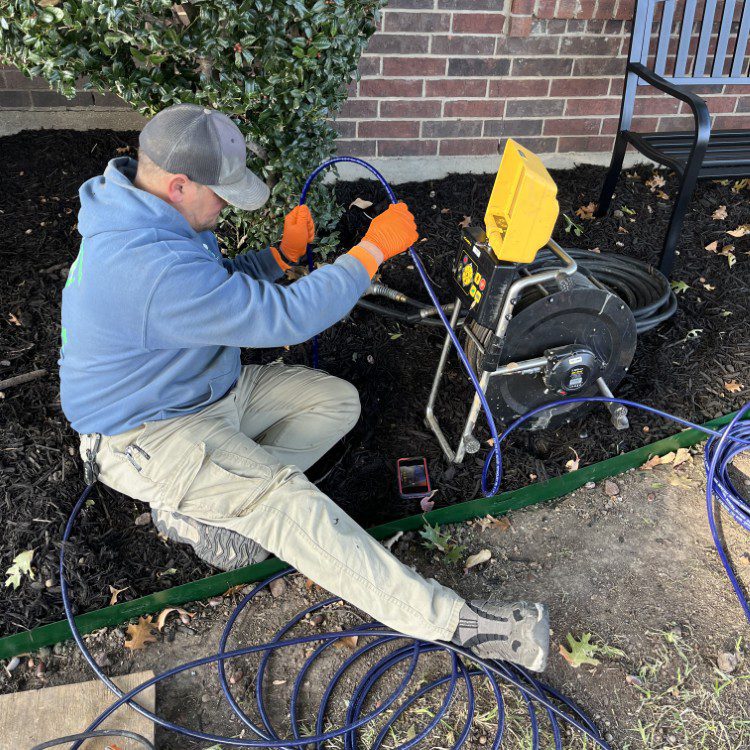
- Listening and tracing: Technicians use specialized tools to narrow down where water is escaping.
- Confirming the affected section: The goal is to verify whether the leak is likely underground, under a foundation, or related to a visible supply line.
- Planning the repair: Once the location is identified, the next step is choosing a repair that addresses the leak while minimizing unnecessary disruption.
When the issue is not under the slab
Sometimes the symptoms people associate with slab leaks are actually tied to other plumbing components. For example, a hidden leak near a fixture, a supply line to a specific room, or a drainage issue can produce misleading clues. If you suspect a leak related to drains, you may also want to review options like plumbing drain clearing or plumbing drain camera inspection to rule out non-slab causes.
Related plumbing services that often come up during repairs
During slab repairs, homeowners frequently discover additional plumbing needs in the same timeframe, such as water heater concerns. If you are also dealing with hot water issues, explore water heater repair and replacement to get the rest of the system back in working order.
| Symptom you notice | What it can indicate | Best next step |
|---|---|---|
| Warm or cool spots on floors | Potential slab and wall leak detection issue, or a localized supply leak | Call for plumbing leak detection services and confirm location before any cutting |
| Dampness around baseboards | Moisture migration from underground plumbing, or a fixture supply issue | Ask for underground plumbing leak detection to identify the leak path |
| Water meter moves with everything off | Active leak somewhere in the system | Proceed with non invasive leak detection services, then plan repair |
| Repeated drain backups | Drain problem rather than water supply leak | Consider drain-focused service like camera inspection or hydro jetting |
Why This Matters in The Colony, TX
In The Colony, TX, many homes are built with concrete slabs and underground plumbing runs that are not visible once the structure is finished. When a leak develops under the foundation, the water can travel beyond the original spot, which is why homeowners sometimes notice problems in rooms that do not “make sense” at first. Detecting the leak early helps protect the surrounding area and supports a more targeted repair plan.
Common Mistakes to Avoid
When people feel urgency, they often try to “fix it fast” in ways that can slow down the real solution. Here are common mistakes that show up with slab leaks and other hidden plumbing problems, including residential slab leak detection scenarios.
Cutting before confirming the location
Opening the slab or walls without precise leak locating can lead to missed spots and extra disruption. A more accurate first step reduces guesswork.
Ignoring the water meter
Without checking for meter movement when the home is idle, it is easy to misdiagnose the issue. This is one of the simplest checks you can do.
Assuming every damp area is the same leak
Moisture can appear in multiple places due to water traveling through concrete and soil. Leak detection services help connect symptoms to the most likely source.
Customer Checklist
Use this checklist to stay organized from the moment you suspect a slab leak through the day repairs are planned. Bringing this information to your plumber helps speed up the decision-making process.

- Confirm whether the water meter moves when no fixtures are running.
- Note when the symptoms started and whether they changed after any recent plumbing use.
- Identify the rooms affected (warm floors, damp baseboards, recurring odors).
- Record any visible water staining or soft drywall areas.
- Turn off water at the shutoff if you notice active leaking or worsening moisture.
- Prepare a short list of what you already tried, including any shutoffs or temporary measures.
- Schedule professional slab leak detection services to confirm the leak path before repairs.
Representative scenario (anonymized)
A homeowner in The Colony, TX noticed a higher water bill and a faint damp smell near a hallway wall. They initially checked the obvious bathroom fixtures, but the water meter still moved when everything was off. A technician performed non invasive leak detection services to narrow down the likely underground source. After the leak path was confirmed, repairs focused on the correct area rather than opening multiple rooms. The result was a more efficient path to resolving the leak and stopping the ongoing moisture.
Need slab leak detection near The Colony, TX?
ENCO Plumbing, Inc. helps homeowners confirm the source of suspected slab leaks and other hidden plumbing leaks using plumbing leak detection services designed to reduce guesswork.
Request slab leak detectionFrequently Asked Questions
Here are answers to common questions homeowners in The Colony, TX ask when they suspect a slab leak or need residential slab leak detection services.
What are the first signs of a slab leak?
Common early signs include unexplained increases in water use, warm or cool spots on floors, damp baseboards, or recurring musty odors. Some homeowners also notice persistent moisture in areas where they do not expect it. Because these symptoms can overlap with other plumbing issues, the safest approach is to confirm whether water is actively running through the system, then schedule plumbing leak detection services to identify the likely leak path under the slab.
Can I pinpoint the leak myself without opening the slab?
Home checks can help you gather clues, but locating an underground leak usually requires specialized equipment and professional methods. You can safely check the water meter movement when the home is idle and observe where moisture appears. Those steps are valuable, but they do not replace non invasive leak detection services. A technician can narrow down the suspected section and help prevent unnecessary openings.
How do underground plumbing leak detection services work?
Underground plumbing leak detection typically focuses on narrowing the leak path by listening for indicators and tracing where water is escaping. The goal is to confirm the most likely location so the repair plan can be targeted. This approach is especially useful when the leak is under a concrete slab and the source is not visible. Ask your plumber how they will confirm the leak path before any repairs proceed.
What if the leak is actually a drain issue?
Sometimes symptoms people associate with slab leaks are caused by drain problems, especially if you are seeing backups or slow drains. A water meter that moves with everything off points more toward an active water supply leak. If your main symptoms are related to drainage, services like plumbing drain camera inspection or plumbing hydro jetting drain clearing may be more relevant. A professional can help you sort out whether the issue is supply-related or drain-related before committing to a repair plan.
Should I shut off water right away?
If you notice active leaking, worsening moisture, or signs that water is clearly escaping, shutting off water at the appropriate supply shutoff is a practical step to reduce ongoing damage. If you are not sure, you can still do a meter check first. Once you confirm active usage when nothing is running, prioritize scheduling slab and wall leak detection to confirm the source and plan repairs. If you are unsure which shutoff controls your system, ask a professional during your call.
Get help from ENCO Plumbing, Inc.
If you suspect slab leak detection is needed around The Colony, TX, ENCO Plumbing, Inc. can help you confirm the source and plan the next step with confidence.
(214) 222-4464
About ENCO Plumbing, Inc.
ENCO Plumbing, Inc. provides full service plumbing solutions for homeowners and property owners in The Colony, TX and surrounding areas. From plumbing leak detection services and residential slab leak detection company support to water heater services and more, the focus is on practical diagnosis, clear next steps, and repairs that address the root cause. For slab leak detection near me, you can reach ENCO Plumbing, Inc. at (214) 222-4464 or visit encoplumbing.com.