

Signs You Need Gas Line Repair Before Failure
If you smell gas, notice uneven appliance performance, or see damage near where your line runs, waiting can turn a manageable problem into a serious one. This guide helps you recognize early warning signs, what to check first, and how gas line repair services usually approach diagnosis in The Colony, TX.
One afternoon in The Colony, you light a burner and it takes longer than usual to catch. A little later, you think you notice a faint gas smell near a utility area. Everything seems “mostly fine,” but your instincts say not to ignore it.
Gas line issues can start subtle. The goal of this guide is to help you understand the warning signs that point to gas and fuel delivery problems, the safety-first steps you can take right away, and when it makes sense to schedule professional gas line repair services before you reach a failure point.
- Quick answer
- What to check first
- Main things customers should understand
- Why this matters in The Colony, TX
- Common mistakes to avoid
- Customer checklist
- Frequently asked questions

Quick Answer
If you suspect a gas line problem, treat it as time-sensitive. Watch for warning signs like a gas odor, repeatedly delayed ignition, soot on burners, or hissing near a shutoff valve or appliance connection. If you smell gas, leave the area and follow your utility provider’s safety guidance. Then contact a licensed gas line repair contractor for inspection and leak detection. For best results, avoid DIY “patches” and instead request a proper diagnosis of the line route and connection points, especially for residential gas line leak repair.
What to Check First
Start with safe, simple checks that do not disturb the system. If you have a gas odor, do not try to locate it by opening panels, removing fittings, or using flames. Instead, follow safety steps and then call for professional help.

1) Note the symptoms
Write down when issues happen (only when appliances run, mornings vs. evenings, after landscaping, after a remodel). This helps your plumber focus on likely areas of concern.
2) Look for connection clues
Check for loose-feeling knobs, damaged hoses, or visible corrosion around appliance shutoffs. If you see active damage, stop there and let a pro inspect.
3) Consider nearby work
If you recently had remodeling, driveway work, or yard digging, the gas line may be affected even if the problem started later.
If you’re also dealing with moisture issues, don’t assume everything is “just a leak.” Gas line problems and plumbing leak detection symptoms can overlap in how they show up around floors and walls. If you suspect a water leak, consider plumbing leak detection services as a separate diagnostic path.
Main Things Customers Should Understand
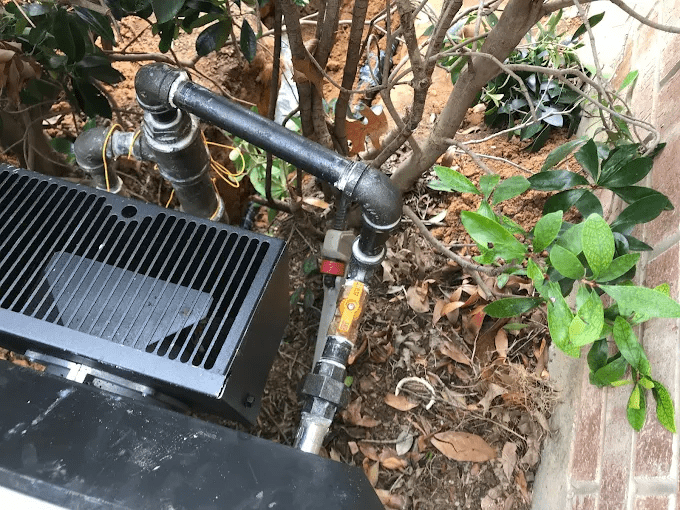
Gas line repair becomes necessary when the system can no longer deliver fuel safely and consistently. In a typical home setup, problems often show up at appliance connections, shutoff valves, flexible connectors, or along the underground route to a meter or appliance.
Professional observation: In many households, the first “real” clue is performance, not smell. Delayed ignition, uneven flame, or repeated shutoffs can indicate gas delivery restrictions or an issue with the line that also needs leak detection.
Common early warning signs
- Gas odor near utility areas, the meter area, or around appliance connections.
- Burner changes such as soot buildup, yellow or lazy flames, or frequent ignition problems.
- Hissing or unusual sounds near a shutoff valve or where a line enters a home.
- Intermittent issues that appear when specific appliances run (for example, a water heater or stove).
- Visible damage such as corrosion, cracked fittings, or disturbed areas after excavation.
| What you notice | What it may indicate | What to do next |
|---|---|---|
| Gas smell near a connection point | Possible leak at a fitting, valve, or line segment | Follow safety steps, avoid disturbing fittings, and schedule professional gas line repair services. |
| Delayed ignition on one appliance | Delivery or connection issue affecting that appliance’s supply | Have an inspection focused on the appliance shutoff and supply line route. |
| Yellow flame or soot | Combustion not burning as expected due to gas flow or other setup factors | Arrange service to verify gas delivery and appliance connections before continuing use. |
| Problems started after yard work or excavation | Line disturbance or damage along the underground route | Request a diagnostic approach that traces the route and checks accessible sections. |
Why This Matters in The Colony, TX
In The Colony, TX, many homes rely on underground routing for portions of the gas supply, and seasonal yard activity plus renovations can change what’s sitting near the line. When the problem is buried or partially concealed, it may not show obvious damage at first. Instead, you see performance shifts at appliances or subtle odor changes that come and go.
That’s why pairing symptom awareness with a licensed plumbing company near me approach matters. ENCO Plumbing, Inc. helps homeowners in The Colony, TX and surrounding areas by focusing on the most likely points of failure first, then expanding the inspection as needed. If you’re planning work inside the home, you may also want to coordinate plumbing updates with your existing layout, especially during repairs that involve nearby utilities or when you’re reworking access points.
Get answers before the next appliance problem
If you’re noticing gas line warning signs, a careful diagnosis can help prevent escalation. Contact ENCO Plumbing, Inc. to discuss what you’re seeing and schedule inspection for your home in The Colony, TX.
Contact ENCO Plumbing, Inc.Common Mistakes to Avoid
When a gas line issue is suspected, homeowners often try to “manage it” until it gets worse. Unfortunately, that can increase risk and make diagnosis harder later.
- Ignoring odor or inconsistent symptoms because the problem is intermittent.
- Tightening or moving fittings without knowing where the leak is. Small changes can worsen the situation.
- Testing with flames or assuming a smell is “just dust.” Gas odor should be treated seriously.
- Assuming it’s only an appliance when multiple symptoms suggest a supply problem.
- Waiting until you see a failure like an appliance shutdown or repeated ignition errors.
What we often see
Customers describe the “first” problem as an appliance behavior issue. After checking the connection and supply path, the root cause is sometimes closer to the line route than to the appliance itself.
Why it matters
Gas line repair isn’t just about restoring performance. It’s about verifying that the system is operating safely and consistently under normal household use.
How to help the process
Bring your notes: when the symptoms started, which appliances are affected, and whether anything changed near the utility areas.
Customer Checklist
Use this checklist to organize what you know before you call for gas line repair services. The goal is to help your plumber focus on the right areas quickly.
- Record when symptoms happen (time of day and which appliances are running).
- Note whether you’ve smelled gas and where the odor seems strongest.
- Describe flame or burner behavior (yellow flame, soot, delayed ignition).
- Check for visible damage near shutoffs, connectors, and entry points.
- List recent changes such as excavation, landscaping, or remodeling near utility areas.
- Plan for safe access: keep the area clear and avoid disturbing fittings if odor is present.
Representative Scenario
Imagine a homeowner in The Colony, TX who first notices that the kitchen stove takes longer to ignite after the house has been idle. A week later, they also see slight soot on one burner. They do not smell gas constantly, but they remember a small yard project near the utility area earlier in the season. Instead of continuing to troubleshoot the stove alone, they request inspection focused on the gas supply route and appliance connection points. The diagnosis helps identify where the issue is coming from so the system can be repaired before it progresses.
Frequently Asked Questions
What are the first signs I should take seriously for residential gas line leak repair?
The earliest signs are often odor-related or performance-related. If you smell gas near utility areas or appliance connections, treat it as urgent and follow safety guidance. Other warning signs include delayed ignition, unusual flame patterns (such as soot or yellow flames), or hissing near a shutoff valve or where a line enters the home. If symptoms are intermittent, that still matters. Scheduling a professional inspection helps confirm whether the issue is a connection problem, a supply restriction, or something along the route.
Is gas line repair the same as plumbing leak detection services?
No. Plumbing leak detection services focus on water leaks, including underground plumbing leaks and slab leak detection. Gas line problems require a different diagnostic approach because you are checking fuel delivery and potential gas leaks. It’s possible for homeowners to have both water and gas concerns, especially when issues show up around utility areas. If you suspect both, request the appropriate diagnostic path for each system so the root causes are handled correctly.
What should I do if I smell gas in my home?
If you smell gas, prioritize safety. Avoid turning things on or off that could create sparks, do not use flames to “test,” and do not disturb fittings to locate the source. Follow your utility provider’s safety instructions and step away from the area as needed. Then contact a licensed professional for gas line repair services. ENCO Plumbing, Inc. can help you schedule inspection and discuss what you’re experiencing so the right areas are checked.
Can remodeling or yard work cause a gas line problem later?
Yes. Even if damage is not obvious at the time, excavation or work near utility areas can affect the line route or nearby connections. In homes in The Colony, TX, underground routing and changes around the yard can contribute to delayed symptoms. That’s why it helps to tell your plumber about recent landscaping, driveway, or remodeling work. This context narrows the inspection to the most likely areas of concern first.
How do I know whether it’s a gas line issue or an appliance issue?
Sometimes the appliance is the cause, but gas line issues can look similar at first. Clues that point toward supply problems include symptoms affecting more than one appliance, changes that happen when certain appliances run, delayed ignition that repeats consistently, or signs like soot tied to combustion behavior. A professional inspection can verify gas delivery and connection points. If you’re unsure, document what you’re seeing and schedule an inspection rather than relying on guesswork.
Ready for a careful gas line inspection?
If you’re seeing warning signs in your The Colony, TX home, contact ENCO Plumbing, Inc. for gas line repair services and a focused diagnostic approach.
(214) 222-4464
ENCO Plumbing, Inc.
ENCO Plumbing, Inc. is a local plumbing company serving The Colony, TX and nearby areas with full service plumbing solutions. From general plumbing services to specialized support like gas line repair services, the team helps homeowners address plumbing and gas-related concerns with a safety-focused, diagnostic-first approach.
If you suspect a gas line problem, reach out to discuss your symptoms and schedule inspection.