Have you ever wondered what is actually happening beneath the concrete foundation of your home when a slab leak develops? Homeowners in The Colony, TX often first notice a warm spot on the floor, a mysterious spike in the water bill, or the sound of water running when every faucet is off. Yet the real story is unfolding out of sight, under inches of concrete and soil. Understanding the common causes of slab leaks is the first step to protecting your home from major structural damage and costly repairs.
Slab leaks are not random events. They are the result of specific conditions, stresses, and failures in your plumbing system and foundation. Some causes are related to the way the home was originally built, while others develop slowly over time as pipes age, soils shift, and water chemistry takes its toll. When ENCO Plumbing is called out to a home in The Colony with a suspected slab leak, we often trace the issue back to a combination of these underlying causes rather than a single, simple failure.
By revealing what truly leads to slab leaks, you can make smarter decisions about maintenance, upgrades, and when to call a professional. Whether you live in an older home near the lake or a newer subdivision with active development all around, knowing these causes can help you catch problems earlier, reduce damage, and avoid the stress of emergency repairs.
What A Slab Leak Really Is
Before exploring the causes, it helps to be clear about what a slab leak actually means. In most homes in The Colony, TX, water lines run beneath a concrete slab foundation. A slab leak occurs when one of these hidden water pipes develops a crack, pinhole, or break, allowing water to escape into the surrounding soil and under the concrete. Because it is concealed, the leak can continue for weeks or months before obvious symptoms appear.
These leaks can occur in either hot or cold water lines, but hot water lines are more commonly affected. The leak may be small at first, seeping slowly into the ground, or it can become a steady flow that erodes soil, undermines the slab, and saturates flooring materials. In severe cases, you might see pooling water, foundation movement, or even mold growth inside your home.
What makes slab leaks so serious is not just the volume of water wasted, but the way that constant moisture can compromise the stability of your foundation. Over time, water can wash away supporting soil, create voids, and cause sections of the slab to settle or crack. This is why ENCO Plumbing treats slab leaks as urgent issues for homeowners in The Colony, even when the visible signs seem minor at first.
Soil Movement And Foundation Shifts
One of the most significant contributors to slab leaks in North Texas is the soil itself. The Colony sits on expansive clay soils that swell when they absorb moisture and shrink when they dry out. This constant expansion and contraction creates powerful forces under your foundation. As the slab moves, even slightly, it can put stress on the rigid water lines embedded beneath or within the concrete.
When the soil expands after heavy rains, it can push upward on the foundation, bending or flexing the pipes. When it dries out during hot Texas summers, the soil contracts and can allow the slab to settle or shift downward. Over time, this repetitive motion weakens pipe joints, creates stress points, and can eventually cause cracks or breaks. The problem is especially common in areas where drainage is poor or where irrigation systems create uneven moisture around the home.
Homes built on lots with inadequate grading or without proper consideration for how water flows away from the structure are at greater risk. If water tends to pool near your foundation, the surrounding soil will experience more dramatic moisture changes, increasing movement and, in turn, the likelihood of slab leaks. ENCO Plumbing often recommends that homeowners in The Colony evaluate their drainage and watering habits as part of a long-term strategy to reduce slab leak risk.
Pipe Material, Age, And Installation
The type of piping used under your slab and the quality of the original installation are major factors in whether you will experience a slab leak. Older homes in The Colony may have copper lines that were installed decades ago. While copper is durable, it is not immune to corrosion or damage from shifting soils. Over time, tiny imperfections, manufacturing flaws, or rough edges left during installation can become weak points.
In some cases, pipes were installed in direct contact with the concrete, without adequate protective sleeves. As the building moves and the concrete expands or contracts, friction can occur between the pipe and the slab. This grinding effect, known as abrasion, can slowly wear through the pipe wall, creating pinhole leaks that are difficult to detect until they become larger.
Installation practices also play a huge role. If the pipes were bent too sharply, not properly supported, or laid across rocks and debris in the soil, stress points may have been built in from day one. Even small mistakes during construction can lead to failures years later. ENCO Plumbing technicians often see slab leaks that trace back to minor installation errors that only became obvious when the pipe finally cracked or separated under pressure.
Water Chemistry And Corrosion
Water quality in a region can significantly affect the lifespan of plumbing lines, especially metal pipes. In The Colony, municipal water is treated and safe to drink, but its specific mineral content and chemistry can still interact with copper or galvanized pipes over time. Corrosion is a chemical reaction between the pipe material and the water, and it can slowly eat away at the pipe from the inside.
Internal corrosion may start as small pitting on the pipe’s inner surface. These pits can deepen until they form tiny pinholes. When this happens under your slab, water begins to escape into the soil. Because the leak is small at first, it may go unnoticed while the pipe continues to weaken, eventually leading to a larger rupture. Areas with higher water pressure or more aggressive water chemistry can see this process accelerated.
External corrosion is also possible when pipes are in contact with certain types of soil or concrete. Chemical reactions between the pipe surface, moisture, and soil minerals can deteriorate the pipe wall. Over time, this double attack—from inside and outside—can create cracks or full breaks. ENCO Plumbing evaluates both water pressure and visible signs of corrosion when diagnosing slab leaks to determine if water chemistry may be a contributing factor.
High Water Pressure And Constant Stress
Water pressure that is too high may feel great in the shower, but it is hard on your plumbing system. Constant high pressure forces water through your pipes with more force than they were designed to handle over decades of use. The result is added stress on joints, fittings, and weak spots, including the hidden lines under your slab.
When pressure is consistently elevated, any existing imperfections in the pipe material or installation become more likely to fail. A joint that might have held for many years under normal pressure can begin to leak slowly or suddenly burst under excessive stress. In many slab leak cases around The Colony, pressure tests reveal that the home’s water pressure is well above the recommended range.
Pressure fluctuations can be just as damaging. Sudden spikes caused by municipal supply changes, faulty pressure-reducing valves, or even water hammer from rapidly closing valves can send shockwaves through your plumbing. Over time, this repetitive shock weakens connections and can cause cracks. ENCO Plumbing often recommends pressure regulation devices and system checks to help homeowners protect their pipes and reduce the risk of slab leaks.
Temperature Changes And Hot Water Lines
Hot water lines are especially prone to slab leaks because of the constant expansion and contraction caused by temperature changes. When hot water flows through a pipe, the material expands slightly; when the water cools, it contracts. This repeated movement can create fatigue in the pipe walls and at joints, particularly if the lines are tightly constrained by concrete or soil.
In many The Colony homes, hot water pipes are routed under the slab with minimal insulation. As they heat up and cool down multiple times a day, they rub against the surrounding materials. Over years, this can cause abrasion damage or small cracks, especially in copper lines. Homeowners often first notice a slab leak in a hot water line because of a warm spot on the floor or an always-running water heater.
Temperature stratification within the slab itself can also play a role. Areas above hot water lines may experience slight differences in temperature compared to other parts of the slab, contributing to micro-movements and stress on the pipe. ENCO Plumbing frequently finds that recurring slab leaks in the same area are tied to hot water line fatigue and recommends rerouting or replacing sections of piping to prevent future failures.
Construction Activity And External Vibrations
Another often-overlooked cause of slab leaks is external vibration and disturbance around the property. The Colony has seen steady growth and development, with new roads, utilities, and homes being built. Heavy construction equipment, soil compaction, and nearby excavation can transmit vibrations through the ground that affect existing homes and their buried plumbing systems.
These vibrations may not cause immediate damage, but they can exacerbate existing weaknesses in aging pipes. A joint that has already been stressed by soil movement or corrosion can be pushed over the edge by repeated external shocks. Even traffic from heavy trucks on nearby streets can contribute to this cumulative effect over time, especially in neighborhoods with older infrastructure.
In addition, any work done directly on your property—such as adding a patio, installing a pool, or regrading your yard—can disturb the soil and foundation support. If the work is not carefully planned and executed, it can change the way forces are distributed under the slab and increase stress on the plumbing lines. ENCO Plumbing advises homeowners in The Colony to consider their buried plumbing when planning major outdoor projects and to have lines inspected if they suspect any disturbance.
Frequently Asked Questions
What are the first signs of a slab leak in my home? Early signs can be subtle. You might notice an unexplained increase in your water bill, the sound of water running when all fixtures are off, or a warm spot on tile or concrete floors. In some cases, you may see cracks in walls or flooring, damp carpet, or areas where the foundation seems to be shifting. If you live in The Colony, TX and see any combination of these symptoms, it is wise to have ENCO Plumbing perform professional leak detection before the damage worsens.
Why are slab leaks so common in The Colony, TX? The local soil and climate play a big role. Our expansive clay soils swell when wet and shrink when dry, causing the foundation to move and putting stress on buried pipes. Hot summers, occasional heavy rains, and varying construction practices across different neighborhoods all contribute. Many homes also have older copper lines under the slab that are more vulnerable to corrosion and movement, making slab leaks a relatively common issue in the area.
Can I prevent slab leaks, or are they inevitable? While no home is completely immune, you can significantly reduce the risk. Maintaining proper drainage, avoiding overwatering near the foundation, regulating water pressure, and addressing minor plumbing issues promptly all help protect your pipes. If your home is older, consulting ENCO Plumbing about inspecting and possibly upgrading vulnerable sections of piping can be a smart preventive step. Regular monitoring of water bills and paying attention to subtle changes in your home’s floors and walls can also catch problems earlier.
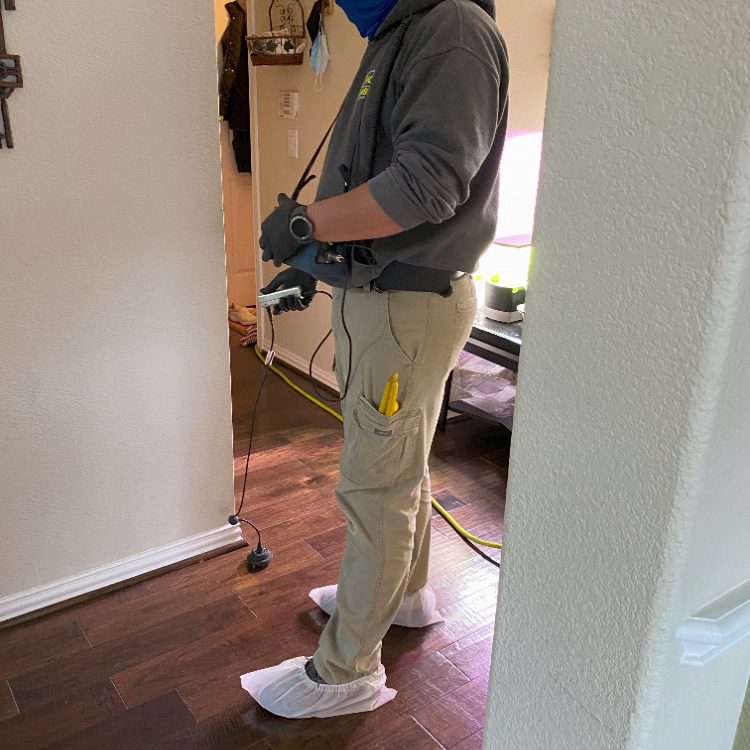
How are slab leaks detected without tearing up my floors? Modern leak detection uses specialized tools and techniques to pinpoint leaks with minimal disruption. ENCO Plumbing may use electronic listening devices, pressure testing, thermal imaging for hot water lines, and tracer gases to locate the exact spot of the leak. This allows targeted repair rather than guessing and breaking through large sections of slab. To learn more about these methods, you can explore our Plumbing Leak Detection services and see how non-invasive technology protects your home.
What repair options do I have if I have a slab leak? The best repair method depends on the location, severity, and cause of the leak. Options include spot repair, where a small section of slab is opened and the damaged pipe is fixed; rerouting, where new lines are run through walls or attic spaces to bypass the problem area; and in some cases, full replacement of aging lines that are failing in multiple places. ENCO Plumbing will evaluate your specific situation in The Colony, explain the pros and cons of each approach, and recommend a solution that balances cost, disruption, and long-term reliability.