Most homeowners misunderstand gas lines in one of two dangerous ways: they either assume nothing will ever go wrong because “it’s been fine for years,” or they panic at the first whiff of gas and start trying DIY fixes they found in a forum. Both reactions can put your home and family at risk. Gas line repair is not about guesswork, quick patches, or waiting until there is a crisis. It is about understanding how the system works, recognizing early warning signs, and knowing exactly when to bring in a licensed professional.
In a place like The Colony, TX, where many homes mix older gas piping with newer appliances, small issues can build quietly over time. A tiny leak at a fitting, a line that was bumped during a remodel, or corrosion under the yard can go unnoticed until a serious hazard develops. ENCO Plumbing has seen everything from minor loose connections to full system failures that started with “it’s probably nothing.” When it comes to gas lines, “probably nothing” is never an acceptable safety strategy.
Understanding gas line repair as a homeowner does not mean you’ll be doing the repairs yourself. Instead, it means you’ll know what to watch for, how to respond in an emergency, and what to expect when a licensed plumber like ENCO Plumbing evaluates and repairs your system. That knowledge helps you protect your family, communicate clearly with your plumber, and make smart decisions about when to repair, when to replace, and how to maintain your gas system for the long term.
How Residential Gas Lines Actually Work
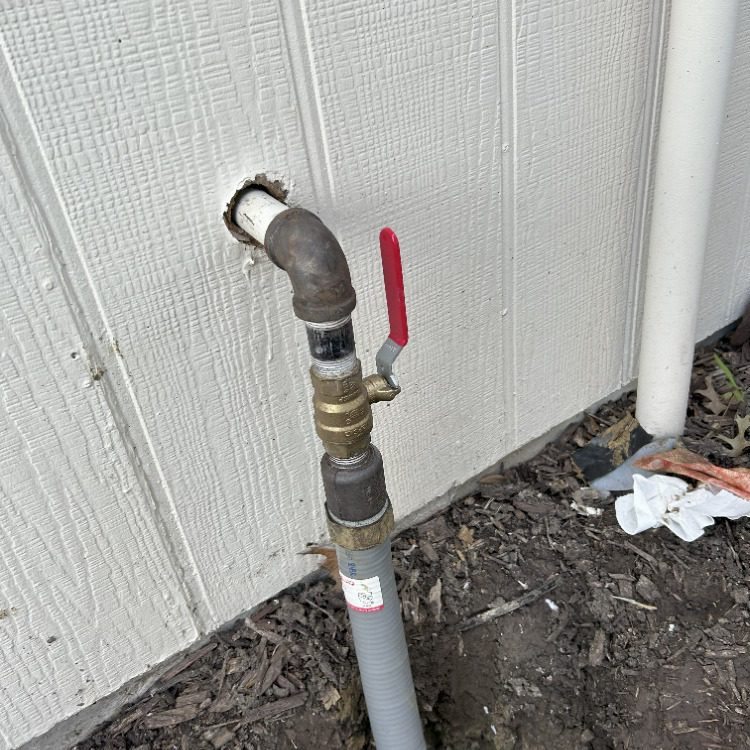
Before you can make good decisions about gas line repair, it helps to understand the basic layout of a residential gas system. Natural gas is delivered to your home through underground utility lines, then passes through a meter that measures usage. From there, a network of pipes distributes gas to your appliances: furnace, water heater, stove, fireplace, dryer, and in some cases outdoor grills or pool heaters. Each segment of pipe, each joint, and each shut-off valve is a potential failure point if not installed or maintained correctly.
Most homes in The Colony, TX use a combination of materials: black iron pipe in older sections, possibly corrugated stainless steel tubing (CSST) in newer additions, and flexible appliance connectors near equipment. Each material behaves differently under stress. For example, black iron can corrode or crack over time, while CSST needs proper bonding and protection from electrical surges. A qualified plumber from ENCO Plumbing understands these differences and inspects each type of line accordingly during a repair or safety check.
Gas moves through your lines under relatively low pressure, but that pressure is carefully regulated. If pressure is too low, appliances may not function correctly; if it is too high, it could stress fittings and valves. Regulators, shut-off valves, and drip legs (sediment traps) all play specific roles in keeping the system safe and efficient. When one part of that system fails, a proper gas line repair is not just about stopping a leak; it is about verifying that the entire system is still balanced and functioning within safe limits.
Another important piece of the puzzle is ventilation and combustion air. Your gas appliances must have enough fresh air to burn fuel completely, and exhaust must be properly vented. A damaged gas line is a problem, but so is an appliance that is starved for air or venting incorrectly. Skilled technicians in The Colony take a holistic view: they look at your gas lines and your connected equipment together, because problems often show up in more than one place.
Warning Signs You Should Never Ignore
Many gas line issues start subtly. The most obvious sign is the familiar “rotten egg” smell, which comes from a harmless chemical (mercaptan) added to natural gas so leaks can be detected. However, relying only on smell is risky. Some people have reduced sense of smell, and sometimes leaks are small or outdoors where scent dissipates quickly. If you ever smell gas indoors, treat it as urgent, step outside, and call your gas company or 911, then contact a licensed plumber like ENCO Plumbing for repairs once the area is safe.
Other warning signs are easier to dismiss but just as important. Hissing or whistling near a gas line, meter, or appliance connection often indicates escaping gas. You might notice an odd sound when the furnace kicks on or when you move a stove. In some homes, homeowners see bubbles in standing water in the yard above buried gas lines or an unexplained dead patch of grass where gas is displacing oxygen in the soil. These are classic clues that something is wrong underground.
Appliance performance can also hint at gas line problems. If multiple gas appliances suddenly struggle at the same time—weak stove flames, furnace short cycling, water heater not staying lit—there may be an issue with gas supply pressure or a restriction in the line. In The Colony, TX, where seasonal temperature swings can cause ground movement, buried lines and fittings can shift slightly, creating small leaks or blockages. A thorough diagnostic from ENCO Plumbing can distinguish between an appliance malfunction and a supply-line issue.
Finally, pay attention to your own health. Unexplained headaches, dizziness, nausea, or fatigue, especially when multiple people in the home feel symptoms at the same time, may indicate a combustion or leak issue. While carbon monoxide problems are tied more to venting and combustion than the gas line itself, they often appear together with gas system issues. If there is any suspicion, evacuate, call emergency services, and then schedule a professional inspection once the immediate danger has passed.
What A Professional Gas Line Repair Really Involves
Many homeowners imagine gas line repair as a quick patch: find the leak, tighten a fitting, and call it a day. In reality, responsible repair work is methodical and heavily focused on safety. When ENCO Plumbing arrives at a home in The Colony, TX for a suspected gas leak, the first step is always to confirm that the environment is safe to work in. This may involve shutting off gas at the meter, ventilating the area, and using gas detectors to assess concentration levels.
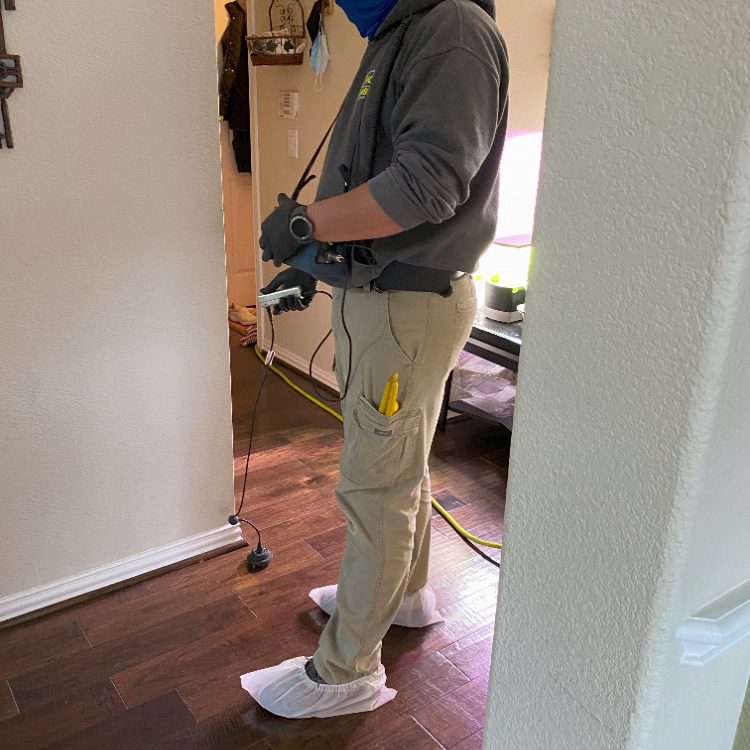
Once safety is established, the technician will begin locating the leak or failure point. This can be straightforward when the issue is at a visible connection, but more complex when lines are inside walls, under slabs, or buried outside. Specialized tools such as electronic leak detectors, pressure testing equipment, and, in some cases, tracer gas can help pinpoint the problem without tearing apart your entire home. The goal is to be as precise and minimally invasive as possible while still being thorough.
After the issue is identified, the repair plan is developed. This may involve replacing a section of pipe, updating old fittings, installing new shut-off valves, or in some cases rerouting lines to meet current codes and safety standards. For older homes in The Colony, it is not uncommon to find legacy installations that were acceptable decades ago but no longer meet modern requirements. A reputable plumber will explain these findings clearly and recommend upgrades when they significantly improve safety and reliability.
Finally, a proper gas line repair is always followed by testing and inspection. The system is pressurized and monitored for leaks, appliances are relit and checked for correct operation, and local code requirements are followed for permits and inspections when required. Cutting corners at this stage is extremely dangerous, which is why gas line work should never be left to unlicensed handymen or DIY attempts. A professional repair is as much about verification and documentation as it is about the physical work on the pipes.
When Repair Isn’t Enough: Replacing or Upgrading Lines
In some situations, repairing an existing gas line is not the wisest long-term choice. If your home has extensive corrosion, multiple previous patches, or outdated materials, ENCO Plumbing may recommend partial or full replacement instead of another quick fix. While this can feel like a bigger investment, it often saves money and stress over time by reducing the likelihood of recurring leaks and emergency calls.
One common scenario in The Colony, TX is a home that has been expanded or remodeled several times. New appliances get added—like a gas range, outdoor kitchen, or tankless water heater—without re-evaluating whether the existing gas lines and regulators can handle the additional demand. In these cases, undersized piping or poorly planned branches can cause pressure problems and stress on the system. An upgrade may involve installing larger main lines, dedicated runs to high-demand appliances, or modern CSST with proper bonding.
Another reason for replacement is code compliance and safety improvements. Building codes evolve based on new research and real-world incidents. For example, newer standards may require additional shut-off valves, specific types of connectors, or additional protection for lines running through certain areas. If your gas system predates these changes, upgrading during a repair visit can bring your home up to current standards and reduce liability.
Replacement work also creates an opportunity to improve convenience. Adding clearly labeled shut-off valves at strategic points, for instance, allows sections of the system to be isolated in the future without shutting down the entire house. That can make future maintenance, appliance replacement, or emergency response faster and less disruptive. When ENCO Plumbing evaluates your system, they can help you think not just about fixing today’s problem, but about how your gas lines can support your home safely and efficiently for many years.
Safety Steps Every Homeowner Should Know
Even though you will not be repairing gas lines yourself, there are several safety actions every homeowner in The Colony should know by heart. The first is how to recognize an emergency: strong gas odor indoors, hissing from a line, or a situation where carbon monoxide alarms are sounding. In any of these cases, your priority is to get everyone outside immediately, avoid using electrical switches or open flames, and call emergency services from a safe location.
Second, know where your main gas shut-off is located and how to operate it—but only use it when instructed by the gas company or emergency personnel, or when it is clearly unsafe to leave the gas flowing. Shutting off gas is simple with the right tool, but turning it back on and safely relighting appliances is more complex and should always be handled by a professional. ENCO Plumbing can assist with restoring service safely after an emergency shut-off.
Routine vigilance is also key. Periodically walking your property and visually inspecting exposed gas lines, appliance connections, and outdoor meters can help you spot obvious damage early. Look for rust, bent or kinked connectors, loose brackets, or signs that landscaping, pets, or vehicles have disturbed buried lines. If you plan to dig for any reason—fence posts, trees, irrigation—always call 811 before you dig so underground utilities can be marked.
Finally, invest in safety devices and maintenance. Carbon monoxide detectors on every level of your home, annual inspections for your gas furnace and water heater, and prompt attention to any unusual appliance behavior all contribute to a safer gas system. Pairing professional maintenance with your own awareness creates multiple layers of protection for your home and family.
Choosing The Right Plumber In The Colony, TX
Not all plumbers are equally qualified or experienced in gas line repair. When your safety is involved, you want a company that treats gas work with the seriousness it deserves. In The Colony, TX, ENCO Plumbing focuses on code-compliant, manufacturer-approved methods and uses proper diagnostic tools rather than guesswork. That means your repairs are grounded in both local regulations and practical experience with Texas homes and soil conditions.
When evaluating a plumber for gas line work, ask specific questions: Are they licensed and insured for gas piping? Do they pull permits when required? How do they test for leaks after a repair? A reputable company will answer these questions clearly and without hesitation. They should also be willing to explain their findings in plain language so you understand the condition of your system and the reasons behind their recommendations.
Responsiveness matters too. Gas issues are time-sensitive, and a company that understands the local community will prioritize urgent calls. ENCO Plumbing serves homeowners in The Colony with the understanding that a suspected gas leak cannot wait until “next week.” Prompt arrival, clear communication, and a structured repair process help reduce the stress of an already tense situation.
Finally, look for a plumber who takes a long-term view of your system rather than just treating the symptom that triggered your call. If they spot outdated materials, undersized lines, or risky configurations, they should tell you—even if it means more work for them to explain and more decisions for you to make. That honesty and thoroughness are essential qualities when you are trusting someone with a system that directly affects your family’s safety.
Frequently Asked Questions
Is it ever safe to repair a gas line myself? No. In Texas, gas line work must be performed by properly licensed professionals, and for good reason. Gas line repairs involve pressure testing, code compliance, and safety protocols that go far beyond basic DIY skills. A seemingly simple mistake—a wrong fitting, an over-tightened connection, or an untested joint—can lead to leaks, fires, or explosions. As a homeowner, your role is to recognize signs of trouble, shut off gas in an emergency if instructed, and call a qualified company like ENCO Plumbing to handle the actual repair.
How do I know if my gas line leak is an emergency? Any suspected gas leak should be treated as serious, but certain signs mean you must act immediately. A strong gas odor indoors, a loud hissing sound near a line or appliance, dizziness or nausea among household members, or carbon monoxide alarms sounding are all reasons to evacuate the home at once. Do not turn lights on or off, do not use your phone until you are outside, and do not attempt to find the leak yourself. Call 911 or your gas utility from a safe location, and once the situation is stabilized, contact ENCO Plumbing for inspection and permanent repairs.
What does a typical gas line repair cost? Costs vary widely depending on the location and severity of the problem. A simple repair at an accessible appliance connection will be far less expensive than replacing a long buried line or rerouting piping through walls or ceilings. In The Colony, TX, pricing also depends on permit requirements and inspection fees. A reputable plumber will inspect the problem, explain the options, and provide an estimate before work begins. While it is natural to be cost-conscious, with gas lines the cheapest option is not always the safest or most durable choice.
How often should my gas lines be inspected? There is no one-size-fits-all schedule, but many experts recommend a professional inspection every few years, especially in older homes or homes with extensive gas usage. You should also have your system checked after major renovations, when adding new gas appliances, or if you notice any warning signs like unusual odors, appliance malfunctions, or visible damage to lines. Regular maintenance of gas appliances, including furnaces and Water Heaters, is another good opportunity for a qualified technician to spot potential piping issues before they become emergencies.
Can tree roots or soil movement damage my gas lines? Yes. Buried gas lines can be affected by shifting soil, settling foundations, and intrusive tree roots. In North Texas, clay soils can expand and contract with moisture changes, putting stress on underground piping and joints. Over time, this movement can create small leaks or cracks. If you notice recurring dead patches of grass, unusual odors in the yard, or unexplained bubbles in standing water outdoors, have your gas lines checked. ENCO Plumbing is familiar with local soil conditions in The Colony and can assess whether your underground lines are at risk and what steps, if any, are needed to protect them.