Plumbing in The Colony, TX

Slab Leak Detection: Signs You Should Know

The first hint is rarely dramatic. Maybe you step onto your living room floor in The Colony one morning and feel an unexpected warm patch beneath your bare feet. Or perhaps you notice a faint hissing sound in the quiet of the night, but you can’t trace it to an appliance or faucet. At first, it seems like a minor curiosity, something you’ll “keep an eye on.” Days later, your water bill spikes, a small crack creeps along the tile, or you catch a whiff of dampness that wasn’t there before. This is often how a slab leak begins to reveal itself: not with a burst pipe and a flooded home, but with subtle, confusing signals that are easy to dismiss.

Slab leaks occur in the network of water lines that run beneath the concrete foundation of your home. Because these pipes are hidden under tons of concrete, problems can go unnoticed for weeks or even months. In a place like The Colony, TX, where many homes are built on slab foundations, knowing how to recognize possible slab leak warning signs is more than just useful trivia—it can be the difference between a manageable repair and a major structural crisis. ENCO Plumbing regularly responds to calls where a homeowner sensed something was wrong but didn’t realize just how serious it was until visible damage appeared.

Understanding slab leak detection starts with recognizing the early red flags your home is giving you. The water you cannot see is often doing the most damage. By learning the common signs, knowing what they might mean, and understanding when to call a professional plumber, you give yourself a chance to act quickly. That quick action can protect your foundation, your flooring, your wallet, and your peace of mind.

What A Slab Leak Really Is

To spot a slab leak, it helps to understand what you are dealing with beneath your feet. In most homes in The Colony, the water supply lines and sometimes drain lines are routed under the concrete slab foundation. These pipes are typically made of copper, PEX, or other materials, and they carry pressurized water to fixtures throughout your home. When one of these pipes cracks, corrodes, or separates at a joint, water begins to escape directly into the soil and underside of the slab. This is what plumbers refer to as a slab leak.

Unlike a leak in a wall or under a sink, a slab leak is hidden and under pressure, which means it can run continuously and silently. The water doesn’t necessarily show up as a visible puddle right away. Instead, it saturates the soil, erodes support under the foundation, and can slowly wick upward into flooring materials. Over time, this can lead to uneven floors, wall cracks, or doors that suddenly don’t close properly. ENCO Plumbing technicians often see these structural symptoms long after the actual leak began.

Slab leaks are especially concerning because of the potential impact on your foundation. As water displaces soil and washes away support, parts of the slab can sink or shift. This movement can cause additional plumbing damage as pipes are stressed or bent, creating a vicious cycle of leaks and structural changes. In The Colony, with its expansive soils and temperature fluctuations, foundations are already under stress. Adding uncontrolled water beneath the slab only increases that risk.

Early Warning Signs Inside

Many of the earliest indicators of a slab leak show up inside your home, often in ways that seem unrelated to plumbing. One of the most common early signs is an unexplained increase in your water bill. If your household habits haven’t changed—no new irrigation schedule, no guests, no long-term hose use—but your bill suddenly jumps, that water is going somewhere. Hidden leaks, especially under the slab, can waste hundreds or thousands of gallons before you ever see a drop on the floor.

Another subtle sign is the sound of running or hissing water when all fixtures and appliances are off. Stand in a quiet room, usually near the center of the house, and listen. If you hear a faint rush or a continuous trickle, but your toilets, showers, and washing machine are not in use, water may be moving where it shouldn’t. ENCO Plumbing often walks homeowners through a simple shutoff test: turn off all water in the home, then check your water meter. If the meter continues to spin, it suggests an active leak somewhere in the system, possibly under the slab.

Temperature changes underfoot can also be revealing. With hot water slab leaks, homeowners in The Colony frequently report a warm spot on tile or laminate floors. This happens because hot water from a leaking line heats the concrete and the flooring above it. Over time, that area can expand, and in some cases, pets will even start sleeping there because it feels comfortable. While a warm floor might seem like a minor perk, it is often a key clue that a hot water line beneath the slab has failed.

Visible Changes To Floors And Walls

As a slab leak progresses, it begins to leave more visible marks on your home’s interior finishes. Flooring is usually the first area to show obvious damage. You might notice that certain tiles start to loosen or the grout lines darken and stay damp. In homes with wood or laminate flooring, boards may begin to warp, buckle, or cup as they absorb moisture from below. Carpeted areas can develop persistent dampness or a musty odor, even if you never see standing water on the surface.

Walls and baseboards can also betray the presence of a slab leak. Moisture traveling upward through the concrete and into the framing can cause baseboards to swell, discolor, or separate from the wall. Paint may bubble or peel near the floor, and drywall can become soft to the touch. In some cases, you may see small cracks forming in the lower portions of walls or around door frames. While not every crack means a slab leak, new or rapidly growing cracks combined with other symptoms should raise your suspicion.

Over time, the combination of moisture and foundation movement can affect how your doors and windows operate. You might find that interior doors that once closed smoothly now stick or don’t latch properly. Windows might become harder to open or show gaps at the edges. These changes can indicate that the slab is shifting unevenly, potentially due to soil erosion from an ongoing leak. When ENCO Plumbing inspects a suspected slab leak in The Colony, technicians often look not just at plumbing fixtures, but at the overall condition of floors, walls, and openings to piece together the full picture.

Moisture, Odors, And Mold

Water that escapes under your slab doesn’t always stay neatly contained beneath the concrete. Moisture can migrate into living spaces in ways that are easy to overlook at first. One common sign is a persistent damp or musty smell, especially in lower levels or rooms near the center of the home. Even if you cannot see visible water, the odor of mildew can be a strong indicator that moisture is present where it shouldn’t be.

Mold growth is another red flag associated with slab leaks. When moisture seeps into carpet padding, wood subfloors, or drywall, it creates an ideal environment for mold spores to thrive. You might notice dark spots along baseboards, behind furniture, or in closets on exterior walls. Sometimes the mold is hidden, but the musty odor lingers. In The Colony’s warm climate, mold can spread quickly in moist areas, creating potential health concerns for sensitive individuals.

You may also see condensation or dampness along lower walls, even in areas away from bathrooms or kitchens. This can be confusing because it doesn’t follow the usual patterns of bathroom humidity or roof leaks. ENCO Plumbing professionals are trained to differentiate between moisture caused by plumbing leaks, condensation, and other sources. When moisture appears without an obvious cause, especially near the center of the home or in multiple rooms, a slab leak becomes a prime suspect.

Foundation And Yard Clues

Not all slab leak signs appear inside the house. Your foundation and yard can also provide important clues. As water escapes from a broken pipe and saturates the surrounding soil, it can cause areas of the yard near the foundation to become unusually wet or soft. You might notice a consistently damp patch of grass, even during dry weather, or see pooling water along the perimeter of the home when there has been no recent rain or irrigation.

The foundation itself can show stress. Cracks in the concrete visible around the exterior of the home, especially if they are new or widening, may indicate that part of the slab is settling or shifting. While some hairline cracks are normal in Texas foundations, more significant cracks, vertical displacement, or separation at corners should be taken seriously. When ENCO Plumbing investigates slab leaks in The Colony, technicians often inspect the exterior foundation and surrounding soil for just these types of signs.

In some cases, you might even hear water moving underground near outside walls or see water seeping out where the slab meets the ground. If your home has a concrete driveway or patio that abuts the house, look for sections that appear to be sinking, lifting, or cracking more than others. While these issues can have multiple causes, a slab leak is one possibility that should be ruled out, especially if you are also seeing higher water bills or indoor moisture problems.

How Professionals Confirm A Slab Leak

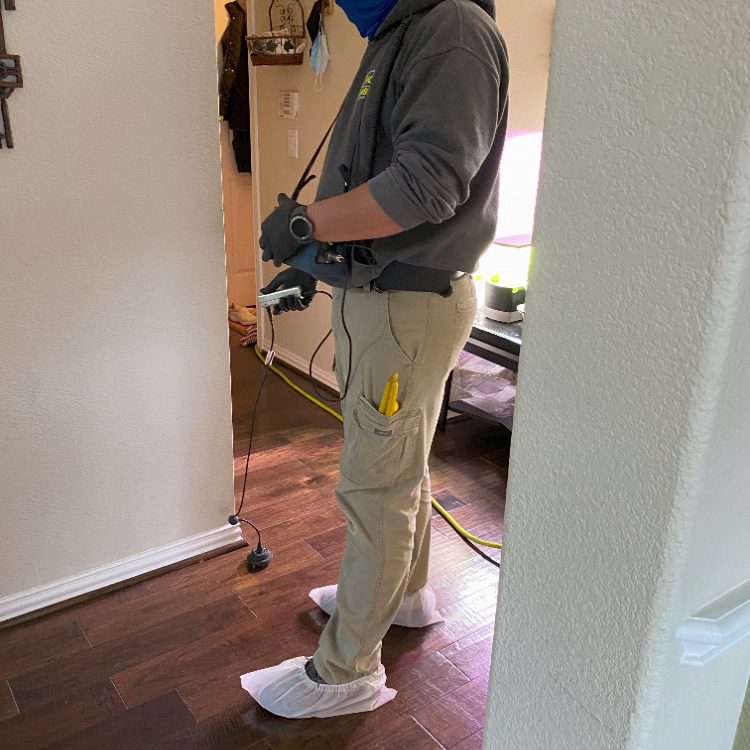
Recognizing the signs of a possible slab leak is only the first step. Confirming the problem and pinpointing its location requires specialized tools and expertise. Professional plumbers, like the team at ENCO Plumbing serving The Colony, use a combination of listening devices, pressure tests, and electronic leak detection equipment to track down hidden leaks without unnecessary demolition.

One common technique involves isolating the plumbing system into different zones. By shutting off valves and monitoring pressure or meter movement, a plumber can determine whether the leak is on the hot or cold water line, and whether it is under the slab or located elsewhere. Sensitive acoustic equipment can then be used to listen through the concrete for the distinctive sound of water escaping under pressure, helping narrow down the exact location.

Once the leak is found, there are several repair options. In some cases, a small section of the slab can be opened to access and fix the damaged pipe directly. In other situations, it may be more effective to reroute the affected line through walls or ceilings, bypassing the slab entirely. Modern techniques, including some trenchless methods, can minimize disruption and reduce the amount of concrete that needs to be removed. A qualified plumber will explain the pros and cons of each approach for your specific home and situation.

Why Acting Quickly Matters

Slab leaks rarely fix themselves, and the longer they continue, the more damage they can cause. Ongoing water flow can erode soil, weaken the foundation, damage flooring, and encourage mold growth. What starts as a small, slow leak can evolve into a major structural issue that requires extensive repairs to both plumbing and the home’s structure. In The Colony, where foundation repairs can be especially costly, early slab leak detection is a smart form of protection.

From a financial perspective, the wasted water alone can add up quickly on your monthly bills. Add in the cost of replacing flooring, repairing drywall, treating mold, and possibly addressing foundation issues, and the total can become substantial. By contrast, calling a professional as soon as you suspect a slab leak often leads to a more targeted, less invasive repair. ENCO Plumbing frequently finds that homeowners who act on the earliest signs—like a warm spot on the floor or an unexplained bill increase—avoid the most serious consequences.

There is also a peace-of-mind factor. Living with unexplained moisture, strange sounds, or visible damage can be stressful. You may worry every time you see a new crack or smell a musty odor. Having your plumbing system inspected and getting clear answers about what is happening under your slab allows you to make informed decisions. Whether the solution is a simple repair or a more involved reroute, knowing the cause and the plan is far better than guessing and hoping for the best.

Frequently Asked Questions

How can I tell if it’s really a slab leak and not another kind of leak? It can be difficult for a homeowner to distinguish a slab leak from other plumbing issues because many symptoms overlap. However, a combination of signs—such as higher water bills, warm spots on the floor, damp or buckling flooring, and the sound of running water when everything is off—strongly suggests a slab leak. Leaks in walls or under sinks usually present with more localized, visible water damage. A professional plumber in The Colony can perform tests on your system to confirm whether the leak is under the slab or elsewhere.

Is slab leak detection destructive to my home? Modern slab leak detection methods are designed to be as non-invasive as possible. Plumbers use electronic listening devices, pressure testing, and other tools to locate leaks through the concrete without immediately cutting into the slab. Only after the leak’s location is pinpointed will any concrete removal be considered, and even then, the goal is to limit the opening to the smallest area necessary. In many cases, alternate repair options like rerouting lines can further reduce the need for breaking through the slab.

Can I ignore a small slab leak if it doesn’t seem to be causing much damage? Ignoring a suspected slab leak is risky. Even a small, slow leak can gradually erode soil, encourage mold growth, and weaken sections of your foundation over time. Because the leak is hidden, it is almost always worse than it appears from the surface. By the time visible damage becomes obvious, the underlying problem may be extensive. ENCO Plumbing recommends having any suspicious signs checked promptly so minor issues can be addressed before they turn into major repairs.

What should I do first if I think I have a slab leak in my The Colony home? If you suspect a slab leak, start by turning off all water-using fixtures and checking your water meter. If the meter continues to move, it indicates water is still flowing somewhere in your system. Next, contact a licensed plumber with experience in slab leak detection. Avoid tearing up flooring or concrete on your own, as guessing the location can lead to unnecessary damage. A professional can quickly determine whether a slab leak is present and explain the best options for repair.

Are there ways to reduce the risk of future slab leaks? While you cannot control every factor, there are steps that may reduce slab leak risks. Maintaining stable water pressure, addressing corrosion issues, and repairing minor plumbing problems promptly can help protect your pipes. Having your plumbing system inspected periodically, especially in older homes in The Colony, can reveal early warning signs. If you have had repeated slab leaks, your plumber may recommend rerouting certain lines out of the slab or using updated materials that are less prone to corrosion and movement-related damage. For more information about professional Slab Leak Detection and solutions, reach out to a trusted local expert who understands foundations in this area.

Leave a Comment

Your email address will not be published. Required fields are marked *

Call
Contact
Search Website
Powered By Click Wise Design
Contact
Call
Text
Email