The first sign was the cold splash. You turned on the shower in your The Colony home expecting a steady stream of hot water, but halfway through, it went lukewarm, then icy. Later, you noticed a rusty puddle under the water heater in the garage and that faint metallic smell you’d been ignoring for weeks. Suddenly, the question is no longer “Do I need a new water heater?” but “Which water heater should I install, and how do I choose the right one?”
That decision is bigger than it seems. The type, size, and installation of your new water heater will influence your energy bills, your daily comfort, and even the resale value of your home. Choosing the best option isn’t just about grabbing the first unit you see at a big-box store. It’s about understanding how your household uses hot water, what your home’s plumbing and gas or electric systems can support, and how local conditions here in The Colony, TX, affect performance and lifespan. That’s where a professional team like ENCO Plumbing becomes an essential partner, not just an installer.
Before you commit to a particular model, it helps to step back and look at the bigger picture. Are you replacing a failing tank with something similar for speed and simplicity, or is this your chance to upgrade to a more efficient or higher-capacity system? Would a tankless unit make sense for your family’s routines, or would a high-efficiency tank be a better match for your budget and habits? By walking through these questions in a structured way, you can turn a stressful breakdown into an opportunity to improve your home’s comfort and efficiency for years to come.
Understanding Your Hot Water Needs
Every good water heater installation starts with one key step: accurately sizing and matching the system to the way your household actually uses hot water. In The Colony, it’s common for families to run dishwashers, washing machines, and multiple showers in a short window of time, especially on busy mornings. If your system is undersized, you’ll constantly run out of hot water. If it’s oversized, you’ll pay more in upfront and operating costs than you need to. ENCO Plumbing begins by asking targeted questions about how many people live in your home, how many bathrooms you have, and what your peak usage times look like.
For traditional tank-style heaters, the main sizing factor is storage capacity, measured in gallons. A smaller home with one or two people might be comfortable with a 30–40 gallon tank, while a family of four or five with two or more bathrooms might need a 50–75 gallon tank to avoid frustrating temperature drops. But capacity isn’t the only metric. The “first-hour rating” (the amount of hot water the unit can supply in an hour starting with a full tank) is equally important. In a high-demand household in The Colony, that first-hour rating can be the difference between everyone getting a hot shower and the last person shivering.
Tankless systems are sized differently, based on flow rate (gallons per minute) and temperature rise. ENCO Plumbing will calculate how many fixtures you might use at once—say, one shower, the kitchen sink, and a washing machine—and then determine how much hot water the unit must produce instantly to keep up. The incoming water temperature in North Texas, which can vary seasonally, also affects how much heating power you need. Skipping this calculation and just installing a random tankless unit is one of the most common reasons people end up disappointed with performance.
Tank vs. Tankless Choices
Once you know your demand, the next big decision is whether to stick with a tank-style water heater or switch to a tankless system. Each option has tradeoffs, and the “best” choice depends on your priorities. Traditional tank heaters store a large volume of hot water that’s ready to use. They are typically less expensive upfront, straightforward to install, and familiar to most homeowners in The Colony. For many households, a well-sized, high-efficiency tank installed properly by ENCO Plumbing offers reliable, cost-effective performance.
Tankless water heaters, on the other hand, heat water only as it’s needed. There’s no large tank of water sitting and losing heat throughout the day, so they can be significantly more energy-efficient. They’re also compact and can free up floor space in tight garages or utility closets. If your family’s schedule is staggered—different people showering at different times, laundry done in the evenings, etc.—a properly sized tankless system can deliver virtually endless hot water. However, the upfront cost is higher, and the installation can be more complex, especially if gas lines, venting, or electrical capacity need upgrades.
Another factor ENCO Plumbing considers is your long-term plan for the home. If you expect to move in a few years, a quality tank heater may offer the best return on investment without a large renovation budget. If you’re in your “forever home” in The Colony, a tankless system may be worth the higher initial cost for its longevity, efficiency, and continuous hot water. In some cases, a hybrid approach—such as using a tankless unit dedicated to a master suite or a remote bathroom—can solve specific hot water issues without overhauling the entire system.
Fuel Type, Efficiency, and Operating Costs
Choosing the best water heater also means choosing the best fuel type for your home and budget. In The Colony, most homes are equipped for either natural gas or electricity, and some may have propane. Gas water heaters typically heat water faster and can be cheaper to operate, especially if natural gas rates are favorable. Electric units tend to be simpler mechanically and easier to install in some situations, but they may have higher operating costs depending on local electric rates. ENCO Plumbing looks at what utilities you already have in place before recommending a replacement.
Within each fuel type, efficiency varies widely. Standard gas tanks, high-efficiency condensing models, electric tanks, and hybrid heat pump water heaters all convert energy to hot water with different levels of success. High-efficiency models may cost more upfront but can save you money every month on your utility bills. For example, a high-efficiency gas water heater with proper venting and insulation can significantly reduce standby heat loss, which is the energy wasted as hot water cools in the tank. Over 8–12 years, those savings can add up to more than the initial price difference.
It’s also important to consider venting and electrical capacity when upgrading. A more efficient gas unit might require different venting materials or routing to meet safety codes. Similarly, an electric tankless unit might demand more amperage than your current electrical panel can supply. ENCO Plumbing evaluates these technical details during a site visit, so you’re not surprised by additional work after you’ve already selected a unit. Matching the heater’s requirements to your home’s infrastructure is critical for both safety and long-term reliability.
Installation Quality and Local Codes
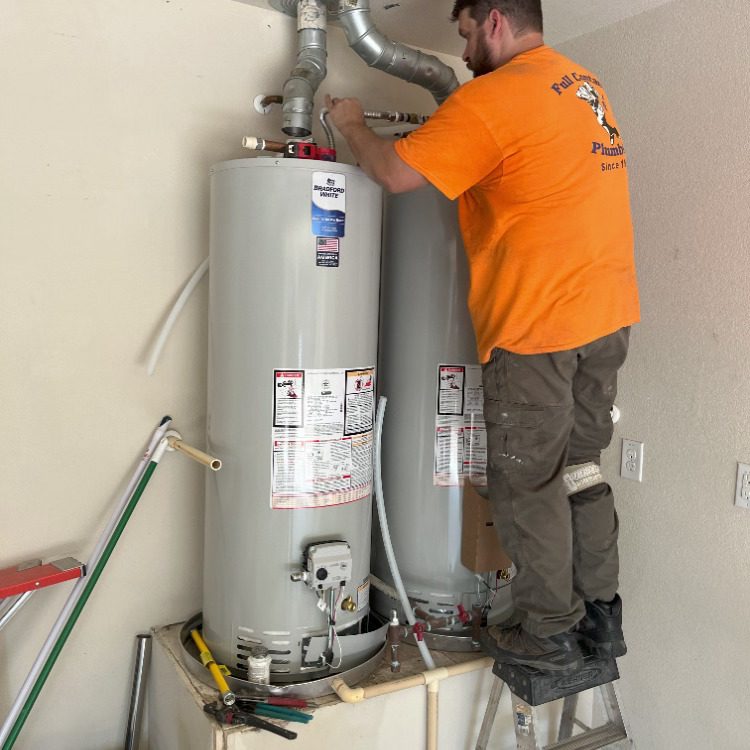
Even the best water heater will underperform or fail early if it’s installed poorly. Quality installation is about more than just connecting pipes; it’s about respecting local building codes, manufacturer specifications, and safety standards. In The Colony, TX, specific plumbing and gas codes govern clearances, venting, drain pan requirements, seismic strapping in some situations, and pressure relief valve discharge piping. ENCO Plumbing stays current with local regulations to ensure that your installation passes inspections and protects your home.
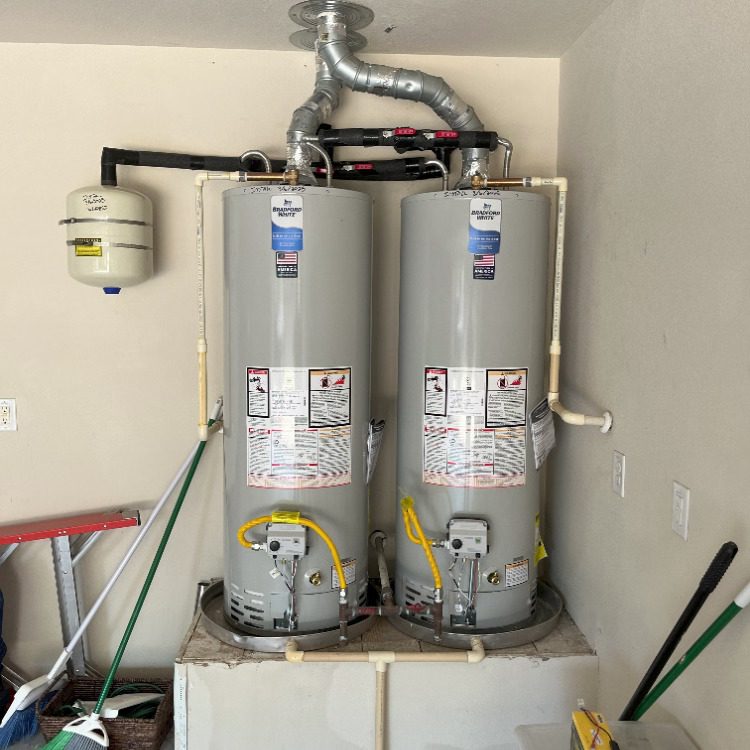
Proper installation also affects performance and longevity. For example, correctly sized gas lines help ensure your water heater receives enough fuel to operate at peak efficiency. Inadequate gas supply can cause poor heating performance and even damage the unit over time. Similarly, ensuring that the cold and hot water lines are properly isolated, that shutoff valves are accessible, and that expansion tanks are installed where required can prevent leaks, water hammer, and premature wear. These are the kinds of details that homeowners rarely see but feel in their monthly bills and future repair costs.
Another often-overlooked component is the drain pan and drainage route. In homes around The Colony where water heaters are installed in attics or interior closets, a properly installed pan with a drain line to the exterior can prevent thousands of dollars in damage if the tank leaks. ENCO Plumbing evaluates where your water heater sits and plans for safe water discharge, whether through a floor drain, a dedicated drain line, or other code-compliant solutions. It’s not just about making it work today; it’s about protecting your home in the years ahead.
Special Considerations For The Colony Homes
Local conditions play a bigger role in water heater selection than many people realize. In The Colony, our water quality, climate, and typical home layouts all influence what “best option” really means. North Texas is known for relatively hard water, which can accelerate sediment and scale buildup in water heaters. This buildup reduces efficiency, shortens the life of the unit, and can even cause popping or rumbling noises. When ENCO Plumbing recommends a water heater, we also consider whether additional filtration or regular flushing will be needed to keep the system running smoothly.
Climate also matters. Although winters here are milder than in many parts of the country, we still experience cold snaps that can lower incoming water temperature. This affects how quickly a water heater must work to bring water up to the desired temperature. Tankless systems, in particular, must be sized with this seasonal variation in mind, or they may struggle during colder months. ENCO Plumbing uses local temperature assumptions rather than generic national averages when sizing systems for homes in The Colony.
Finally, the layout and age of your home influence installation options. Older homes might have smaller utility closets, limited attic access, or outdated gas and electrical infrastructure. Newer homes may be “pre-plumbed” for specific types of heaters or have space-saving constraints. ENCO Plumbing evaluates clearances, venting paths, and access points before recommending a particular model or style. In some cases, minor modifications—like relocating a water heater to the garage or installing a tankless unit on an exterior wall—can dramatically improve performance and convenience.
Planning For Maintenance And Longevity
Choosing the best water heater isn’t just about day-one performance; it’s about how the system will hold up five, ten, or even fifteen years from now. Different types of heaters have different maintenance needs. Traditional tanks benefit from periodic flushing to remove sediment, testing and replacing the anode rod, and checking the pressure relief valve. Tankless units need descaling, especially in areas with hard water like The Colony. ENCO Plumbing can walk you through a realistic maintenance plan for each option so you know what to expect.
Warranty coverage is another important factor. Higher-quality units often come with longer tank or heat exchanger warranties, but those warranties usually require professional installation and sometimes proof of regular maintenance. When ENCO Plumbing installs a water heater, they document the work, ensure that it meets manufacturer requirements, and can help preserve your warranty coverage. That documentation can also be valuable if you ever sell your home and want to show prospective buyers that critical systems were professionally installed and maintained.
Thinking long-term also means considering potential upgrades down the road. If you’re planning a bathroom addition, kitchen remodel, or outdoor kitchen in The Colony, it may be smart to slightly oversize your system or choose a model that can be easily paired with a secondary unit. Discussing your future plans with ENCO Plumbing during the installation phase can prevent you from outgrowing your new water heater sooner than expected and facing another replacement before you’ve gotten full value from your investment.
Frequently Asked Questions
How do I know if I need a new water heater or just a repair? Persistent issues like inconsistent water temperature, visible leaks, rusty or discolored hot water, strange noises, or a water heater that is over 8–12 years old are strong indicators that replacement may be more cost-effective than repair. ENCO Plumbing can inspect your unit, check components like the thermostat, heating elements, burner, and tank condition, and give you an honest recommendation based on safety, efficiency, and expected remaining lifespan.
Is a tankless water heater always the best choice? Not always. Tankless systems offer great benefits—endless hot water, compact size, and potential energy savings—but they’re not ideal for every home or budget. They cost more upfront and may require gas line or electrical upgrades. For some households in The Colony with predictable usage patterns and limited simultaneous demand, a high-efficiency tank may provide excellent performance at a lower total cost. ENCO Plumbing helps you compare both options based on your specific usage, home infrastructure, and long-term plans.
How long should a professionally installed water heater last? On average, traditional tank-style gas water heaters last around 8–12 years, while electric models may last slightly longer. Tankless water heaters can often reach 15–20 years or more with proper maintenance. Factors like water quality, usage intensity, and regular flushing or descaling play a big role. ENCO Plumbing’s installation practices—such as ensuring correct venting, proper gas or electrical supply, and appropriate drainage—also help maximize the lifespan of your new unit.
Can I install a new water heater myself to save money? While DIY installation might seem like a way to cut costs, it can introduce serious risks: gas leaks, improper venting, electrical hazards, and water damage from leaks or overflows. Incorrect installation can also void manufacturer warranties and fail local code inspections in The Colony. Professional installation by ENCO Plumbing ensures that your system is safe, code-compliant, properly sized, and optimized for efficiency, which typically saves money and headaches in the long run.
What other plumbing issues should I consider when replacing my water heater? A water heater replacement is a good time to assess the overall health of your plumbing system. Issues like aging supply lines, poor water pressure, or hidden leaks can affect performance and safety. For example, slab leaks can waste water, raise utility bills, and damage your foundation. ENCO Plumbing offers services such as Slab Leak Detection to identify hidden problems that might impact your new water heater’s efficiency or your home’s structural integrity.