Detecting Slab Leaks: Common Misconceptions

Most homeowners in The Colony, TX don’t realize they’re relying on myths when it comes to slab leaks. They picture a dramatic scene: water gushing up through the floor, obvious puddles in the living room, and a clear “aha” moment that screams, “You have a slab leak!” In reality, slab leaks are usually quiet, subtle, and easy to misread. By the time the signs are unmistakable, the damage is often already extensive and expensive to repair.

Another common misconception is that slab leaks are rare or only happen in very old homes. ENCO Plumbing technicians see the opposite all the time. Homes of various ages in The Colony, especially those built on concrete slabs with buried water lines, can develop leaks due to soil movement, water chemistry, installation issues, or normal material fatigue. Because people underestimate the risk or misunderstand the warning signs, they delay calling a professional and end up dealing with higher water bills, foundation issues, and mold problems that could have been minimized.

There’s also a widespread belief that you can always detect a slab leak using simple DIY tricks: listening for a hiss, checking for hot spots on the floor, or watching your water meter once or twice. While these can sometimes reveal a problem, they’re far from foolproof. Modern slab leak detection involves specialized equipment, experience, and an understanding of how local soil conditions and building practices in areas like The Colony affect plumbing systems. Relying on myths instead of accurate information is one of the biggest reasons slab leaks go undetected for so long.

Myth: Slab Leaks Are Always Obvious

One of the most stubborn misconceptions is that slab leaks always announce themselves with dramatic symptoms. People expect visible water seeping through cracks, tiles lifting, or soggy carpet in the middle of a room. While these things can happen, they usually appear only after the leak has been active for quite some time. In the early stages, the water often travels through soil or along the underside of the slab, dispersing quietly where you cannot see it.

In many homes ENCO Plumbing services in The Colony, the first signs are subtle: a slightly higher water bill, a faint sound of running water that no one can quite pinpoint, or a small area of flooring that feels just a bit warmer or cooler than the rest. These early indicators are easy to dismiss as “probably nothing,” especially if you’re expecting something more dramatic. That delay in taking the signs seriously is what allows a small, manageable leak to become a major issue.

Another reason slab leaks stay hidden is that many homeowners confuse the symptoms with other problems. For example, a musty odor might be blamed on an old carpet or a recent spill, when in reality moisture is slowly wicking up from the slab. Cracks in walls or doors sticking may be chalked up to “Texas foundation movement” instead of prompting a closer look at the plumbing. When you assume slab leaks will be obvious, you’re more likely to overlook the quiet signals that something is wrong under your home.

Myth: Only Old Or Poorly Built Homes Get Slab Leaks

Another widespread belief is that slab leaks only happen in very old homes or in houses that were poorly built. While construction quality and age can be factors, they are not the whole story. In The Colony, TX, homes of various ages can experience slab leaks because of soil conditions, water pressure, and normal wear on materials. Even a well-built home can develop a leak if the pipes were slightly stressed during installation or if the soil shifts over time.

North Texas soils are known for expanding when wet and shrinking when dry. This constant movement exerts pressure on foundations and the plumbing lines beneath them. Over the years, that stress can create small cracks in copper or other pipe materials, especially at bends and joints. A home that is only 10–15 years old is not immune to this process, and ENCO Plumbing has found slab leaks in relatively new houses that most owners assumed were “too new” to have such issues.

Water chemistry and pressure also play a role. Hard water and certain mineral contents can slowly erode the inside of pipes, while high water pressure can stress fittings and joints. None of these factors have anything to do with how “nice” or expensive the home is. Believing that slab leaks are only a problem for older or poorly built properties can lead homeowners to ignore early signs, simply because they think their home couldn’t possibly be affected yet.

Myth: A Higher Water Bill Is Just Seasonal Use

Many people in The Colony notice a spike in their water bill and immediately attribute it to seasonal watering, guests staying over, or kids taking longer showers. While these can absolutely increase usage, an unexplained and persistent jump in water consumption is one of the most reliable early clues of a hidden leak, including slab leaks. Dismissing the bill as “probably just summer sprinklers” without investigating further is a common and costly mistake.

ENCO Plumbing often hears from customers who say their bill climbed for several months before they became concerned enough to call. By that time, the leak may have been saturating soil under the slab for a long period, possibly undermining structural support or encouraging mold growth. A water bill that’s consistently higher than your usual baseline, even if not extreme, should be treated as a red flag rather than a minor annoyance.

Another misconception is that if you shut off fixtures and watch the water meter for a few minutes and see no movement, you’re in the clear. In reality, very small slab leaks may not make the meter spin quickly enough to notice in a short test. Additionally, some leaks are intermittent or vary with pressure changes. A proper diagnosis may require more thorough testing and professional leak detection tools, rather than a quick DIY check.

Myth: DIY Tricks Can Replace Professional Detection

Online guides make slab leak detection sound simple: listen at the walls, feel for warm spots on the floor, or add food coloring to the toilet tank. While some of these tricks can be helpful for spotting basic plumbing issues, they are not a substitute for professional slab leak detection. Many leaks are too small, too deep, or too complex for the average homeowner to pinpoint accurately. Relying solely on DIY methods can lead to false confidence or misdiagnosis.

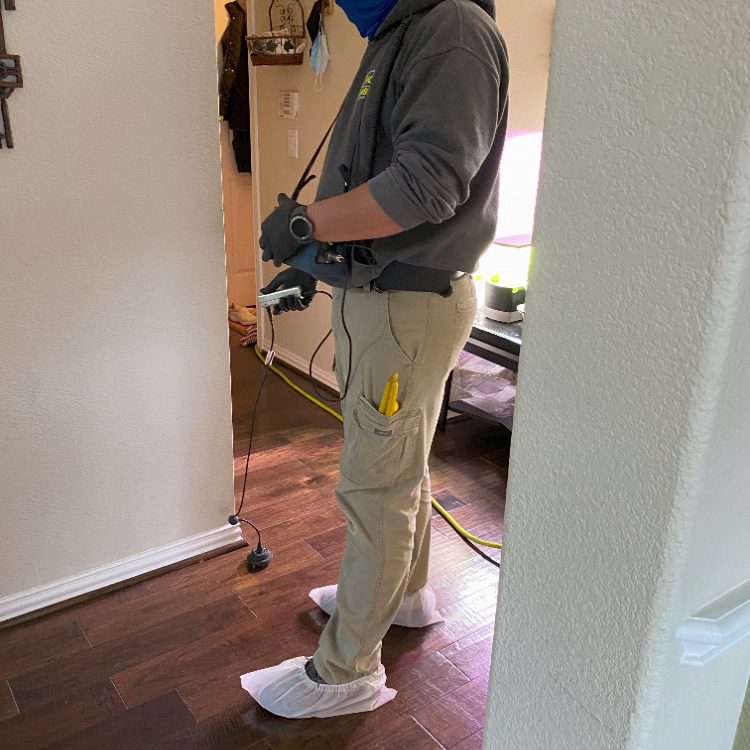
For example, feeling a warm spot on the floor might indicate a hot-water slab leak, but not all leaks produce temperature changes you can feel. Likewise, listening for running water can be misleading if your home has multiple appliances cycling or if outside noises mask the sound. ENCO Plumbing technicians rely on specialized equipment such as acoustic listening devices, line tracing tools, and sometimes thermal imaging to locate leaks beneath the slab with much greater accuracy than guesswork or basic home tricks.

There’s also the risk of damaging your home by trying to “hunt” for the leak on your own. Some homeowners start breaking tiles or drilling into the slab in the wrong areas based on incomplete information. This not only fails to solve the problem but also increases repair costs and disruption. Professional slab leak detection in The Colony is designed to minimize unnecessary damage by pinpointing the leak before any invasive work begins. A single, well-placed access point is far better than multiple exploratory holes.

Myth: Every Slab Leak Requires Tearing Up The Whole Floor

One of the biggest fears homeowners have is that a slab leak diagnosis will mean ripping up floors throughout the house. This fear leads many people to delay calling a plumber, hoping the issue will go away or at least stay small. The reality is that modern repair methods are far more targeted and flexible than most people realize. Identifying the leak precisely allows professionals to limit the area of disruption.

Depending on the situation, ENCO Plumbing may recommend several different solutions. Direct access repair, where a small section of floor is opened directly above the leak, is one option. In other cases, rerouting the plumbing line through walls or the attic can bypass the damaged section under the slab entirely, avoiding extensive demolition. The best approach depends on pipe condition, location of the leak, and the long-term reliability of the system.

Another misconception is that patching the pipe at the leak point is always the cheapest and best solution. Sometimes, especially in older systems with multiple weak spots, rerouting or repiping a section is actually more cost-effective in the long run. A professional evaluation considers not just the immediate repair but the likelihood of future leaks in the same line. Understanding these options helps homeowners in The Colony make informed decisions instead of assuming that slab leak repair always means a nightmare construction project.

Myth: If The Floor Is Dry, There’s No Slab Leak

People often think that as long as the flooring looks good and feels dry, there can’t be a problem under the slab. Unfortunately, water from a slab leak doesn’t always travel straight up into the living space. It can move horizontally under the concrete, find low spots in the soil, or escape to the edges of the foundation. In some cases, the first visible signs show up outside as damp soil near the foundation, mildew on exterior walls, or unexplained landscape changes.

In The Colony’s climate, evaporation can also hide moisture issues. Small amounts of water may evaporate before they become visible on the surface, especially if indoor temperatures are warm and air circulation is good. That means you can have ongoing water loss and soil saturation without any obvious wet spots inside. Over time, however, that hidden moisture can still compromise the foundation, create voids under the slab, and contribute to structural shifting.

This misconception leads many homeowners to focus only on what they can see and feel underfoot. A better approach is to consider the full picture: water bills, sounds, odors, foundation behavior, and any unexplained changes around the home. When ENCO Plumbing evaluates a possible slab leak, technicians look beyond the condition of the flooring to assess the plumbing system as a whole. Dry floors do not guarantee dry soil under your slab.

Frequently Asked Questions

How can I tell if I might have a slab leak in my The Colony home? Common clues include an unexplained increase in your water bill, the sound of running water when all fixtures are off, warm or unusually cool spots on the floor, cracks in walls or flooring that seem to worsen, and persistent musty odors. None of these signs alone confirm a slab leak, but together they create a strong case for professional evaluation. If you notice two or more of these issues, it’s wise to contact a licensed plumber like ENCO Plumbing for proper testing.

Are slab leaks dangerous for my foundation? Over time, yes. A continuous leak under the slab can wash away or soften soil, creating voids that reduce support for your foundation. This can lead to uneven settling, cracks in walls and ceilings, doors or windows that stick, and in severe cases, significant structural damage. Addressing a slab leak early not only saves water and repair costs but also helps protect the long-term stability of your home’s foundation in The Colony’s movement-prone soils.

Can I just monitor the situation instead of repairing right away? Waiting is rarely a good idea once a slab leak is confirmed. Even a small leak runs 24 hours a day, steadily eroding soil and potentially feeding mold growth. What seems like a minor nuisance can escalate into a much larger repair if the leak continues. In addition, many water providers and insurance companies expect homeowners to act promptly once a leak is discovered. Prompt repair by professionals like ENCO Plumbing helps limit damage and keeps costs under control.

Will my entire floor need to be torn up to fix a slab leak? Not usually. Thanks to modern detection tools and repair techniques, most slab leak repairs are localized. Once the leak is precisely located, options may include opening a small area of flooring directly above it or rerouting the affected plumbing line around the slab. The goal is always to minimize disruption while providing a durable fix. A professional inspection will outline the specific options for your home so you know exactly what to expect.

How does ENCO Plumbing detect slab leaks? ENCO Plumbing uses a combination of methods tailored to the specific home and symptoms. This can include pressure testing, acoustic listening equipment to “hear” leaks under the slab, line tracing to map the path of buried pipes, and in some cases thermal imaging to identify temperature anomalies. By combining technology with local experience in The Colony’s construction styles and soil conditions, technicians can locate leaks far more accurately than basic DIY methods. To learn more about professional detection options, visit Slab Leak Detection.

Leave a Comment

Your email address will not be published. Required fields are marked *

Call
Contact
Search Website
Powered By Click Wise Design
Contact
Call
Text
Email