More than 125,000 gas leaks are reported in the U.S. every year, and many of them are discovered completely by accident—during a home project, a routine appliance check, or after a strange odor suddenly fills the house. The unsettling truth is that most homeowners do not realize they have a gas line problem until it becomes urgent. Gas lines are usually out of sight and out of mind, buried underground or hidden behind walls, but when something goes wrong, the consequences can be immediate and severe. That is why knowing when to call in gas line repair experts is not just useful knowledge; it is a critical safety skill for every homeowner in The Colony, TX.
Gas systems are designed to be safe, efficient, and long-lasting, but they are not invincible. Corrosion, shifting soil, aging pipes, DIY damage, and even extreme weather can all contribute to leaks or failures in the gas line system. Many people assume that if they do not smell gas, there is no problem. In reality, some leaks are small, intermittent, or located outdoors where the odor disperses quickly. Recognizing early warning signs, understanding what happens during a professional repair, and knowing when it is urgent to call experts like ENCO Plumbing can make the difference between a quick fix and a dangerous emergency.
For homeowners and property managers in The Colony, TX, gas line issues often surface at inconvenient times: during a cold snap when the heater is running nonstop, after a remodel when new appliances are installed, or when an older home starts showing its age. In each of these situations, the question is the same: Is this something I can watch and wait on, or do I need a professional plumber right now? This article breaks down the subtle and obvious clues, the risks of waiting, and the reasons expert gas line repair is always the safer path.
Why Gas Line Safety Matters
Natural gas and propane are incredibly useful fuels. They heat homes, power stoves, and run water heaters efficiently. But the same properties that make gas so effective also make it hazardous when lines are damaged or poorly installed. Gas is highly flammable, and in the right concentration, even a tiny spark—from a light switch, static electricity, or a pilot light—can ignite it. This is why the industry builds so many safety layers into gas systems, and why licensed professionals are required for most gas work.
In The Colony, TX, many homes rely on gas for multiple systems: heating, cooking, clothes drying, and sometimes outdoor kitchens or fire features. That means several connection points, valves, and lines running through and around your home. Each connection is a potential weak spot if it is not properly installed or maintained. Over time, fittings can loosen, seals can dry out, and underground pipes can corrode. While these changes are slow, the moment a leak forms, your risk level rises immediately.
Beyond the risk of fire or explosion, gas leaks can also affect your health. Incomplete combustion or poorly vented appliances can lead to elevated levels of carbon monoxide, a colorless, odorless gas that can cause headaches, dizziness, nausea, and in high enough concentrations, death. While a CO issue is different from a raw gas leak, both problems often trace back to improper installation, damaged lines, or failing components. This is another reason professionals like ENCO Plumbing take a whole-system approach when investigating gas line concerns.
Warning Signs You Should Never Ignore
Some gas problems are dramatic and obvious; others are subtle and easy to dismiss. Knowing the most common warning signs helps you react quickly and appropriately. The first and most widely recognized sign is the smell of rotten eggs. Utility companies add a chemical called mercaptan to natural gas and propane to give it this distinct odor. If you notice this smell—especially in a concentrated area around an appliance, near the meter, or in your yard—treat it as a serious warning.
Another red flag is the presence of hissing or whistling sounds near gas lines, appliances, or the meter. These sounds can indicate gas escaping under pressure from a small opening. Outdoors, you might notice dead or discolored vegetation along the path of an underground gas line, even when surrounding plants are healthy. You might also see dirt blowing or bubbling water if the line passes under a wet area. These are not cosmetic issues; they are visual clues that gas may be leaking below the surface.
Inside the house, unexplained physical symptoms can be a sign of trouble. Frequent headaches, nausea, dizziness, or fatigue that seems to get better when you leave home and worse when you return can indicate a gas or combustion issue. You may also notice that your gas appliances are not performing as they should—weak flames on a gas stove, yellow or orange burner flames instead of blue, or a furnace that struggles to stay lit. While these issues do not always mean a leak, they absolutely mean you need a professional evaluation of your gas system.
DIY vs. Professional: Where the Line Is
In an age of online tutorials and home improvement shows, it is tempting to assume you can tackle almost any home repair yourself. But gas line work is one of the few categories where DIY is not just discouraged; it is genuinely dangerous. Unlike a dripping faucet or a squeaky door, mistakes on a gas line are not minor inconveniences. A poorly tightened fitting, an incorrect pipe material, or an untested connection can create a hazard that might not reveal itself immediately.
Many municipalities, including those around The Colony, TX, require permits and inspections for gas line installations, modifications, and some repairs. These rules exist because unlicensed work has led to fires, explosions, and carbon monoxide poisoning incidents. Professionals like ENCO Plumbing understand local codes, manufacturer requirements, and safety standards, and they have the tools to test for leaks accurately. That level of verification is something a homeowner simply cannot replicate with soap bubbles and guesswork.
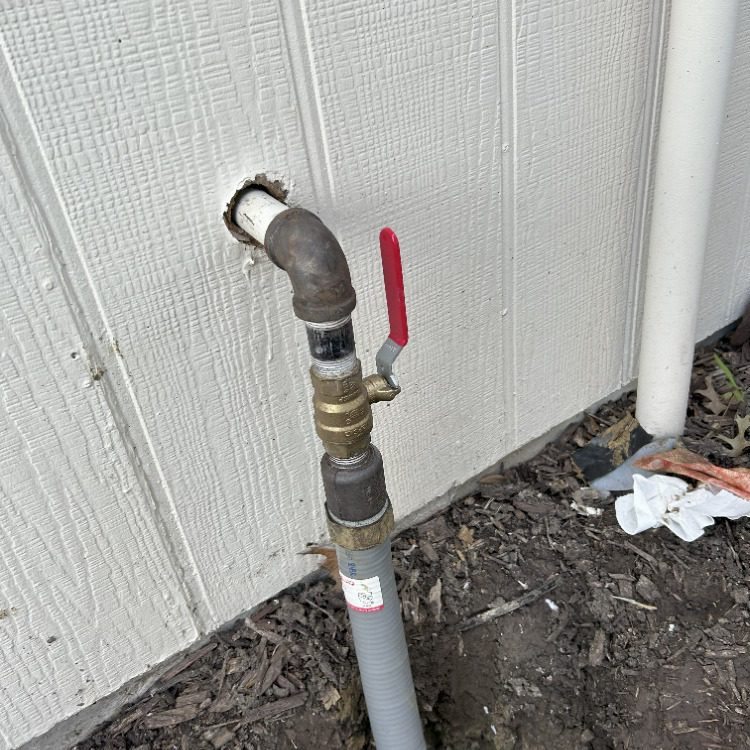
There are, however, small actions you can safely take. You can shut off the gas at an appliance valve if you suspect a problem with that single unit, and you can familiarize yourself with the main gas shutoff at your meter for true emergencies. You can also keep the area around gas appliances clear, ensure vents are not blocked, and schedule regular professional maintenance. But when it comes to installing new gas lines, extending a line for a grill or outdoor kitchen, repairing damaged piping, or troubleshooting a suspected leak, that work belongs in the hands of licensed experts.
When It Is an Emergency (Call Immediately)
Some gas line situations demand instant action, no hesitation. If you smell strong gas inside your home, hear a loud hissing sound near a gas line, or suspect a major leak, your first step is to prioritize safety. Do not turn lights or appliances on or off, do not use your phone inside the house, and do not try to locate the exact source of the leak. Instead, get everyone out of the building as quickly and calmly as possible.
Once outside and at a safe distance, call your gas utility’s emergency number or 911. The utility can shut off the gas supply at the street and ensure there is no ongoing hazard. After the immediate danger is addressed, you will need a qualified plumbing company to locate and repair the damaged section of line. In The Colony, TX, ENCO Plumbing often steps in at this stage to perform detailed diagnostics, repair or replace the affected lines, and test the entire system before gas service is restored.
Not all emergencies involve dramatic smells or sounds. If you find that your gas meter is damaged—for example, after a vehicle impact, severe storm, or construction accident—treat it as an emergency situation. Similarly, if you notice flames, sparks, or scorching near a gas line, or if your carbon monoxide detector goes off and you suspect a combustion issue related to gas appliances, leave the area and seek professional help right away. In any of these cases, waiting to see what happens is not an option; fast action is essential.
How Professionals Diagnose and Repair Gas Lines
When you call a professional like ENCO Plumbing for gas line repair in The Colony, TX, the process is methodical and safety-focused from the start. Technicians begin by gathering as much information as possible—what you noticed, when you noticed it, which appliances are affected, and any changes that have recently been made to your home. This helps them narrow down potential problem areas before they even pick up a tool.
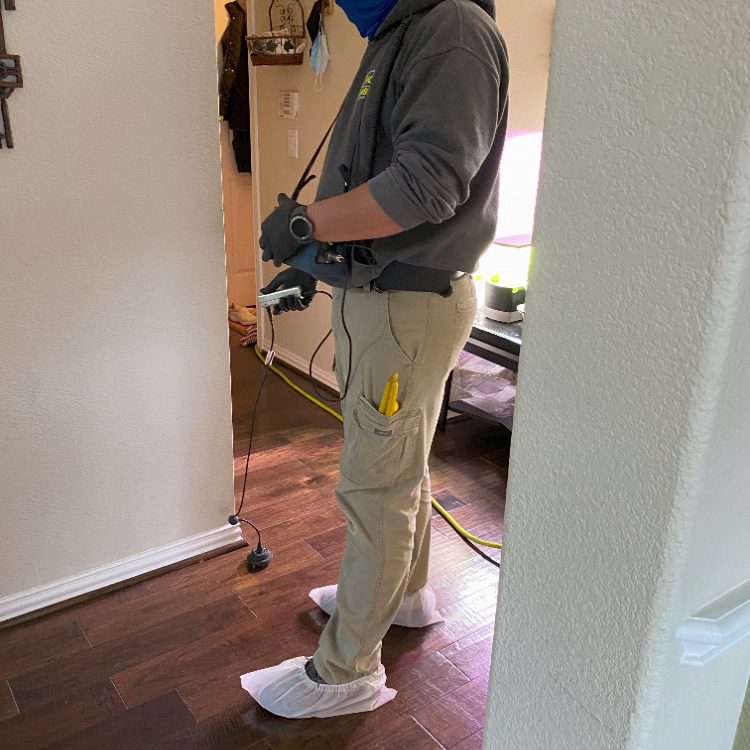
Next comes testing and inspection. Professionals use sensitive gas detectors, pressure gauges, and sometimes camera equipment to locate leaks and assess the condition of the lines. Pressure testing can reveal whether a system holds steady under controlled conditions or if there is a hidden leak somewhere in the network. This step is crucial because it prevents guesswork; instead of replacing parts randomly, the technician identifies exactly where the problem lies.
Once the issue is located, the repair plan depends on the type and extent of damage. A small leak at a fitting may require replacing that connection and re-sealing it with the proper materials. A corroded or cracked section of pipe might need to be cut out and replaced with new, code-compliant piping. In some cases, especially in older homes or where multiple problems are found, it may be safer and more cost-effective to replace an entire run of gas line rather than patching it repeatedly. After repairs are complete, the system is tested again to confirm it is airtight and safe before gas service is fully restored.
Preventive Steps for Homeowners in The Colony
While you should never attempt gas line repairs yourself, there is a lot you can do to reduce the chances of a gas emergency. Start with awareness. Know where your gas meter is located, learn how to turn off the main gas valve in an emergency, and keep the area around the meter clear and accessible. Avoid stacking items, landscaping, or building structures that block access to gas lines or appliances.
If you are planning a renovation, room addition, or outdoor project that involves digging, coordinate with professionals from the start. Contact the appropriate utility locating services before any excavation, so you do not accidentally hit buried gas lines. When adding new gas appliances—such as a stove, dryer, or tankless water heater—rely on licensed plumbers to size the gas lines correctly, route them safely, and verify that the system can handle the additional demand.
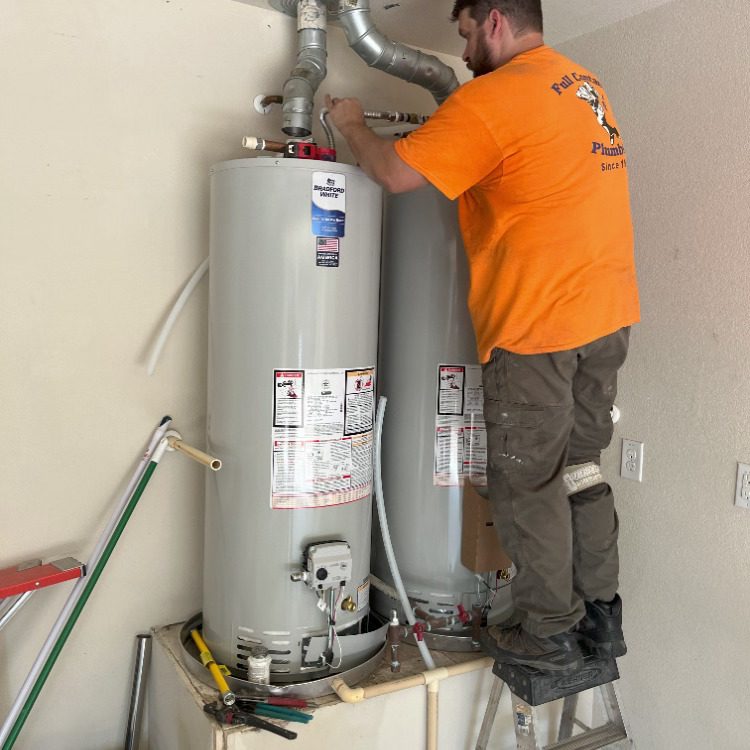
Regular maintenance is another powerful preventive tool. Having your gas appliances inspected periodically helps catch issues like weak burner flames, poor venting, or failing components before they turn into serious problems. If you are upgrading to more efficient systems, such as modern furnaces or high-efficiency Water Heaters, a professional can also confirm that your existing gas lines are adequate for the new equipment. In The Colony, TX, where weather swings can put heavy seasonal demands on heating systems, this type of proactive care pays off in both safety and comfort.
Frequently Asked Questions
How do I know if a gas smell is serious enough to call for help? Any noticeable gas odor should be taken seriously. If the smell is faint and only near a single appliance, you can turn off that appliance’s gas valve and open windows, then call a professional like ENCO Plumbing for an inspection. If the odor is strong, widespread, or accompanied by hissing sounds or physical symptoms such as dizziness or nausea, leave the building immediately and call your gas utility or 911 from a safe location before contacting a repair professional.
Can I move or extend a gas line myself for a new appliance or outdoor grill? No, moving or extending gas lines is not a safe DIY project. It requires proper pipe sizing, approved materials, secure connections, and pressure testing to ensure there are no leaks. Local codes in and around The Colony, TX typically require licensed professionals and inspections for this type of work. Hiring ENCO Plumbing or another qualified expert protects your safety, keeps you in compliance with regulations, and helps maintain the validity of appliance warranties and homeowners insurance.
What should I do if a contractor hits a gas line while digging on my property? If a gas line is struck, even if the damage seems minor, stop all work immediately and move people away from the area. Do not attempt to repair or clamp the line yourself. Call the gas utility emergency number and follow their instructions. Once the utility has secured the situation and shut off the gas if necessary, a licensed plumbing company can assess the damage and perform permanent repairs to restore safe service.
How often should my gas system be inspected? There is no single schedule that fits every home, but a general guideline is to have your gas appliances and visible gas lines checked every one to two years, or any time you notice performance issues, unusual odors, or changes in your gas bill without explanation. Older homes, homes with multiple gas appliances, or properties that have undergone recent renovations may benefit from more frequent inspections. ENCO Plumbing can recommend an inspection interval based on the age and complexity of your system in The Colony, TX.
Is replacing old gas lines worth the cost if they are not currently leaking? In many cases, yes. If your gas lines are made from older materials known to corrode or fail, or if they show visible signs of deterioration, proactive replacement can be far less expensive than dealing with an emergency leak, property damage, or health risks later on. Upgrading to modern, code-compliant piping also improves system reliability and may support higher-efficiency appliances. A professional evaluation can help you weigh the cost of replacement against the risks and maintenance needs of keeping old lines in service.