Plumbing in The Colony, TX

Water Heater Installation: A Step-by-Step Process

Most homeowners assume installing a new water heater is just a matter of swapping the old tank for a new one and tightening a few connections. In reality, water heater installation is a carefully sequenced process that affects safety, efficiency, and even your home’s resale value. Skipping a step or taking a shortcut can lead to gas leaks, water damage, scalding temperatures, or a unit that fails years before it should. That’s why professional plumbers in The Colony, TX, like ENCO Plumbing, treat water heater installation as a precise, step-by-step project rather than a quick hardware replacement.

Another misconception is that all water heaters are essentially the same, so installation is “one-size-fits-all.” The truth is that every home has its own plumbing layout, venting needs, and hot water demand. A family of five in The Colony will have very different hot water habits than a retired couple, and the installation must match that usage pattern. The gas line sizing, venting route, expansion tank requirements, and even where the drain pan sits all need to be evaluated and executed in the right order. When you understand the full process, you can better appreciate why a meticulous installation pays off in comfort, safety, and long-term reliability.

This step-by-step overview walks through how a professional team like ENCO Plumbing approaches water heater installation from the first inspection to the final safety checks. Whether you are replacing a failing unit, upgrading to a larger tank, or considering a high-efficiency model, knowing the process helps you ask better questions, avoid common pitfalls, and recognize quality workmanship in your The Colony home.

Evaluating Your Home And Needs

Every successful water heater installation begins before a single tool comes out of the truck. The first step is evaluating your home’s existing plumbing, gas or electrical service, and hot water demand. A technician from ENCO Plumbing will typically start by inspecting your current water heater: its size, fuel type, age, and how well it has been serving your household. Are you running out of hot water during morning showers? Has the tank shown signs of rust or leaks? These details help determine whether a similar replacement is appropriate or if an upgrade in capacity or technology is needed.

Next, the plumber will assess the physical space where the water heater sits. In many The Colony homes, water heaters are located in the garage, attic, or a utility closet. The installer checks clearances around the unit, the accessibility of shut-off valves, and the condition of the venting and drain lines. If the space does not meet current code requirements, adjustments may be recommended, such as adding a drain pan, raising the unit on a stand, or improving combustion air openings for gas models.

It is also important to match the water heater size and type to your household’s usage. A 40-gallon tank might have been sufficient when the home was built, but if your family has grown or you have added bathrooms, it may no longer keep up. The installer will ask about how many people live in the home, how many bathrooms you have, and whether there are large soaking tubs or high-demand appliances. Based on this information, ENCO Plumbing can recommend the correct tank capacity or, in some cases, suggest considering a tankless system if that better suits your needs and infrastructure.

Finally, the evaluation includes checking your home’s gas supply line or electrical capacity. For gas water heaters, the line must be sized to provide adequate fuel without starving other gas appliances. For electric units, the panel must have the correct breaker size and wiring. These checks are critical, because an undersized gas line or overloaded circuit can create safety hazards and performance problems. Addressing these issues at the planning stage ensures the rest of the installation process goes smoothly.

Safely Removing The Old Unit

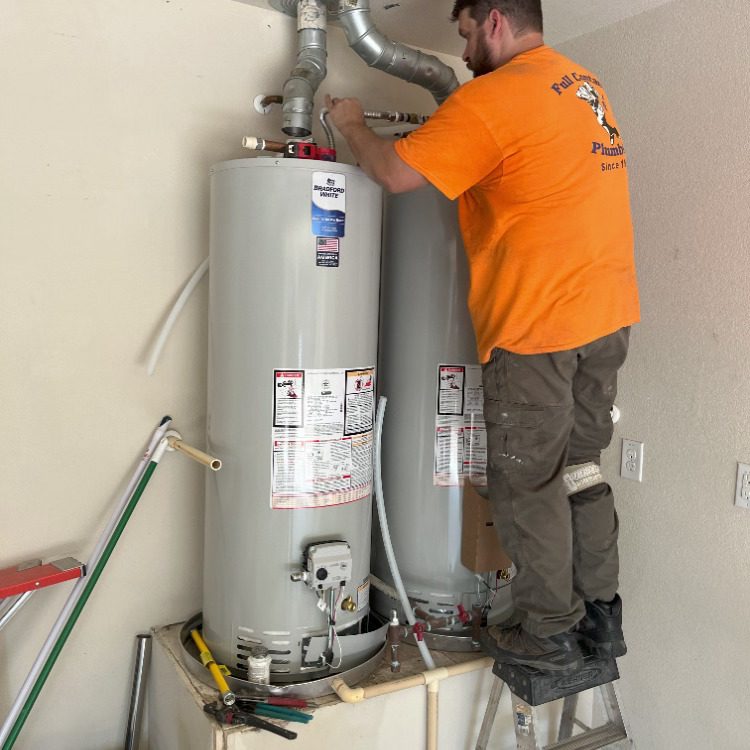
Once the plan is in place, the next step is safely removing the old water heater. This phase is more involved than simply dragging the old tank to the curb. First, the plumber shuts off the fuel source: closing the gas shutoff valve for gas units or switching off the circuit breaker for electric models. The cold water supply valve to the heater is also closed to stop new water from entering the tank. These shutoffs are double-checked to ensure there is no active power or water flow before any disconnections begin.

With the utilities off, the tank must be drained. A garden hose is typically connected to the drain valve at the bottom of the tank and run to a floor drain or outside. The technician opens the valve and often opens a hot water faucet in the home to allow air into the system, which helps the water drain more quickly. Sediment buildup at the bottom of older tanks in The Colony can slow this process, so patience and sometimes a bit of coaxing are required to fully empty the unit. Draining is crucial, as a full tank can weigh hundreds of pounds and is nearly impossible to move safely.

After the tank is drained, the plumber disconnects the water lines, gas line or electrical wiring, and venting (for gas units). Each connection is carefully loosened and inspected. Gas flex connectors are often replaced rather than reused, especially if they show signs of wear or corrosion. The vent pipe is checked for rust and proper sizing; if it is in poor condition, it will be updated during the new installation. Only when everything is safely disconnected is the old tank removed from its location and hauled away.

This is also the point where the installer takes a close look at the floor or platform beneath the old heater and the surrounding area. Any signs of past leaks, water damage, or structural issues are documented. In some The Colony homes, hidden damage may be uncovered once the old tank is out of the way. If repairs or reinforcements are needed, it is far better to address them now than to set a new, heavy tank on a compromised surface. ENCO Plumbing uses this moment to ensure the foundation for your new water heater is solid and safe.

Preparing The Space For The New Heater

Before the new water heater is set in place, the installation area must be properly prepared. This step is often overlooked in DIY attempts, but it plays a major role in long-term performance and code compliance. The plumber verifies that the platform or floor can support the weight of the new tank when it is full of water. If the installation is in a garage, local codes may require the heater to be elevated to prevent ignition of flammable vapors. In attics or closets, a sturdy, level platform and an appropriately sized drain pan are essential.

Drain pans and drainage are especially important in The Colony, where a leaking water heater can quickly damage flooring, ceilings, and walls. A new drain pan is often installed under the heater, with a drain line routed to an appropriate discharge point. The line must have proper slope and must not empty into areas where water could cause damage or mold growth. This small detail can mean the difference between a minor inconvenience and a major insurance claim if the tank ever leaks.

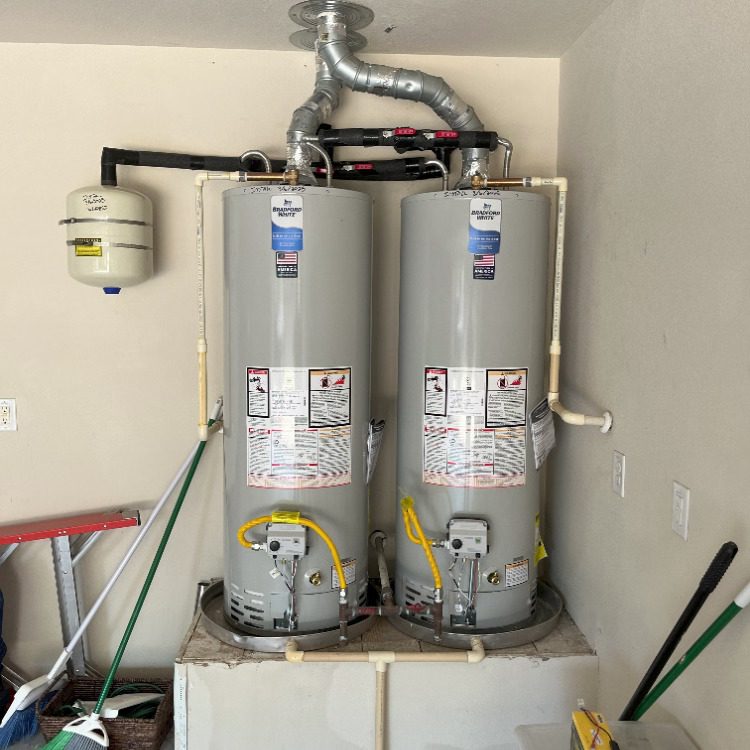
The installer also prepares the water lines and shutoff valves. Old, corroded valves are replaced with new, reliable ones, and the hot and cold lines are arranged to align neatly with the new unit’s connections. In many cases, thermal expansion tanks are added or replaced to protect the plumbing system from pressure spikes as water heats and cools. These components are not optional extras; they are part of a modern, code-compliant installation that prolongs the life of your water heater and your piping.

For gas water heaters, preparation includes checking and adjusting the gas line to ensure it reaches the new unit in a safe, accessible path. The union and shutoff valve must be easily reachable for future service. For electric units, the existing wiring is inspected for proper gauge and condition, and junction boxes or conduit are updated as needed. Taking the time to get this preparation right is how ENCO Plumbing ensures that once the new heater is set in place, the actual hookups go smoothly and safely.

Positioning And Connecting The New Heater

With the area ready, the new water heater is carefully moved into position. The tank must be set level in its drain pan or on its platform, with enough clearance around it for future maintenance and inspection. The installer aligns the unit so that the hot and cold water inlet and outlet are accessible and the venting path (for gas models) is as straight and efficient as possible. A level is often used to confirm the unit is perfectly upright; a tilted tank can stress connections and affect performance over time.

The water connections are usually made first. Dielectric unions or flexible connectors are used to join the home’s copper or PEX piping to the steel or brass fittings on the heater. This helps prevent galvanic corrosion where dissimilar metals meet. The plumber ensures that the cold water supply has a functional shutoff valve and that any required expansion tank is installed on the cold side. All joints are tightened to the manufacturer’s specifications, and pipe dope or thread sealant is used where appropriate to prevent leaks.

Next comes the fuel or power connection. For gas water heaters, a flexible gas connector is typically run from the home’s gas shutoff valve to the heater’s gas control valve. The plumber carefully bends and routes the connector to avoid kinks or strain. Every joint is tightened securely, and later in the process, a leak test will be performed with soapy water or a gas detector. For electric units, the wiring from the breaker panel is connected in the unit’s junction box, with wire nuts and strain reliefs installed according to code. Proper grounding is verified to ensure electrical safety.

For gas models, the venting system is then assembled or reconnected. The vent pipe must be the correct diameter, slope upward away from the heater, and terminate at an approved location. Improper venting can allow dangerous combustion gases, including carbon monoxide, to accumulate in your home. In The Colony, where temperature swings can cause condensation issues in vent pipes, a professional installer like ENCO Plumbing will pay close attention to vent materials and routing to prevent corrosion and backdrafting.

Filling, Testing, And Final Adjustments

Once everything is connected, the system must be filled and tested before the heater is put into full service. The plumber begins by opening the cold water supply valve to the heater while leaving a hot water faucet open somewhere in the home. As the tank fills, air is pushed through the lines and out of the open faucet. When a steady stream of water (without sputtering) flows from the faucet, it indicates that the tank is full and the air has been purged. Only then is the heater ready for power or gas ignition.

For gas units, the installer follows the manufacturer’s lighting instructions, either using a pilot light or an electronic ignition system. For electric heaters, the circuit breaker is turned on. The thermostat settings are adjusted to a safe temperature, commonly around 120°F, to balance comfort, energy savings, and scald protection. The plumber then carefully checks all water, gas, and electrical connections for leaks or irregularities. This includes looking for drips at fittings, testing gas joints with a leak-detection solution, and verifying that electrical connections remain cool to the touch during operation.

Pressure and temperature relief (T&P) valves are also tested. This safety device is designed to open if the tank’s pressure or temperature exceeds safe limits, preventing catastrophic tank failure. The discharge pipe from the T&P valve must terminate at an approved location and be of the correct diameter and material. ENCO Plumbing technicians in The Colony verify that this critical safety feature is installed and functioning properly, giving you peace of mind that your new heater can safely handle abnormal conditions.

Finally, the installer reviews the system with the homeowner. This includes pointing out the location of shutoff valves, explaining how to relight the pilot (if applicable), and discussing basic maintenance such as periodic flushing to reduce sediment buildup. Any warranty information and recommended service intervals are covered. This handoff phase is where you gain the knowledge to operate your new water heater confidently and recognize when to call for professional help.

Why Professional Installation Matters

Some homeowners in The Colony are tempted to make water heater installation a weekend DIY project, especially after watching a few online videos. While it might seem like a way to save money, the risks and potential hidden costs are significant. Incorrect gas connections can lead to leaks or dangerous combustion issues. Improper venting can cause carbon monoxide buildup. Inadequate drainage or missing pans can result in water damage that far exceeds the cost of professional installation. Local codes and manufacturer requirements are there for a reason, and skipping them can void warranties and create safety hazards.

Professional plumbers like ENCO Plumbing bring more than tools to the job; they bring experience with local building codes, inspection requirements, and common issues in The Colony’s housing stock. They know when an older gas line needs upgrading, how to navigate tight attic spaces, and what local inspectors look for in a code-compliant installation. This expertise reduces the chances of failed inspections, callbacks, or surprise repairs down the road. It also means your new water heater is set up to perform efficiently, saving you money on utility bills over its lifespan.

There is also the question of liability and insurance. If a DIY installation leads to a fire, explosion, or major water damage, your homeowner’s insurance may scrutinize whether the work was done according to code and by a qualified professional. Having documentation that ENCO Plumbing performed the installation provides an extra layer of protection. You are not just paying for labor; you are investing in accountability, safety, and peace of mind.

In addition, professionals can help you plan for the future. When ENCO Plumbing installs a new water heater, they can also advise on related upgrades, such as improving water pressure, adding a recirculation line for faster hot water, or coordinating with other projects like Bathroom Installation. Taking a holistic view of your home’s plumbing system ensures that your water heater is not just a standalone appliance, but an integrated part of a reliable, efficient, and comfortable home.

Frequently Asked Questions

How long does a typical water heater installation take? For most standard tank-style water heaters in The Colony, a professional installation by ENCO Plumbing usually takes about 2 to 4 hours from arrival to final testing. This timeline includes safely removing the old unit, preparing the space, installing the new heater, and performing all necessary checks. If additional work is needed, such as updating gas lines, adding an expansion tank, or repairing water-damaged platforms, the job may extend into a half-day or longer. The technician will usually give you a time estimate after the initial evaluation.

Do I need to upgrade my water heater size? Not always, but it is worth evaluating when you replace a unit. If you frequently run out of hot water, have added bathrooms, or your household size has increased, a larger capacity tank may be recommended. ENCO Plumbing will consider your family’s routines, the number of fixtures, and any high-demand features like large tubs or multi-head showers. Sometimes, the issue is not size but efficiency or recovery rate; in those cases, a different model or fuel type may solve the problem without dramatically increasing tank size.

Are permits and inspections required for water heater installation? In many North Texas jurisdictions, including areas around The Colony, permits and inspections are required for water heater replacements, especially gas units. These regulations are designed to ensure safety and code compliance. When you hire ENCO Plumbing, they handle the permit process and coordinate any required inspections on your behalf. Attempting to bypass permits can lead to issues when selling your home or filing insurance claims, so it is best to follow local requirements from the start.

What maintenance does my new water heater need? Even a brand-new water heater benefits from regular maintenance. Flushing the tank annually helps remove sediment that can reduce efficiency and shorten the unit’s life, particularly in areas with harder water. The anode rod should be inspected every few years and replaced when significantly worn, as it protects the tank from internal corrosion. ENCO Plumbing can perform these maintenance tasks during scheduled visits, ensuring that your heater continues to operate safely and efficiently for as long as possible.

How do I know it’s time to replace my old water heater? Common signs include water pooling around the base of the unit, rust-colored water from hot taps, rumbling or banging noises from the tank, and inconsistent or insufficient hot water. Age is also a major factor; most tank-style water heaters last about 8 to 12 years. If your unit is nearing or past this range, especially if it has required multiple repairs, replacement is often the more economical choice. ENCO Plumbing can inspect your existing heater in The Colony and give you an honest assessment of whether repair or replacement makes more sense.

Leave a Comment

Your email address will not be published. Required fields are marked *

Call
Contact
Search Website
Powered By Click Wise Design
Contact
Call
Text
Email