Essential Guide to Gas Line Repair Safety

Natural gas leaks are responsible for hundreds of residential fires and explosions in the U.S. every year, yet many homeowners still try to “tighten a fitting” or “patch a line” themselves when something smells off. That combination—an invisible, highly flammable fuel and untrained repairs—can turn a small issue into a life‑threatening emergency in seconds. Gas line repair safety is not just a matter of following a few tips; it is a disciplined process that protects your family, your neighbors, and even first responders.

In a community like The Colony, TX, where many homes rely on natural gas for cooking, heating, and hot water, understanding how to respond to a suspected gas line problem is essential. The decisions you make in the first few minutes—whether you flip a switch, make a phone call, or try to fix something yourself—can determine whether the situation stays manageable or becomes catastrophic. ENCO Plumbing has seen first-hand how quickly a seemingly minor gas issue can escalate when safety practices are ignored.

This guide walks through what every homeowner should know about gas line repair safety: how to recognize danger signs, what to do (and what never to do), why professional help is non‑negotiable, and how to prevent problems before they start. Whether you live in an older home in The Colony or a newer build with modern appliances, the principles are the same: respect the gas system, act quickly and calmly, and always prioritize safety over convenience.

Understanding Gas Line Risks

Gas lines might look simple from the outside—just pipes carrying fuel—but the system that brings natural gas to your stove or furnace is a carefully engineered network under constant pressure. Any flaw in that network, from a loose fitting to a corroded underground line, can allow gas to escape and mix with air. When that gas-to-air ratio falls within a specific range, even a tiny spark—from a light switch, a phone charger, or static electricity—can ignite it. That is why gas line repair safety starts with understanding that there is no such thing as a “small” gas leak.

In The Colony, TX, many homes have a mix of above‑ground and buried gas lines feeding multiple appliances: kitchen ranges, water heaters, furnaces, fireplaces, outdoor grills, and even pool heaters. Each connection point is a potential risk if not properly installed, maintained, or repaired. Shifting soils, foundation movement, and aging materials can all put stress on these lines, creating hairline cracks or loosening joints over time. ENCO Plumbing technicians often find that leaks originate at fittings that were DIY‑installed or altered without proper tools or testing.

It is also important to recognize that natural gas safety is not just about fire or explosion. High concentrations of gas can displace oxygen, creating an asphyxiation hazard, especially in confined spaces like basements, utility closets, or crawl spaces. In addition, appliances that are not venting correctly can produce dangerous levels of carbon monoxide, a colorless, odorless gas that can be deadly. When you think about gas line repair safety, you are really thinking about protecting your home from multiple invisible threats at once.

Recognizing Warning Signs Early

The most familiar sign of a gas leak is the smell—natural gas companies add a sulfur-like odorant that many people describe as “rotten eggs.” If you notice that smell suddenly or consistently in or around your home, that is an immediate warning that should never be ignored. Do not assume it is just a pilot light issue or that it will go away on its own. Any persistent gas odor is a reason to leave the area and contact professionals right away.

Smell is not the only indicator. You might hear a hissing or whistling sound near gas lines, meters, or appliances, particularly where pipes connect or change direction. This sound can be faint, especially if it is outdoors or behind walls, but it often means gas is escaping under pressure. Outdoors, you might notice dead or discolored patches of grass or plants over a buried gas line, or see dirt blowing or bubbling in puddles even on a calm day—signs that gas is moving through the soil.

Inside the home, unexplained physical symptoms can also signal a problem. Frequent headaches, dizziness, nausea, or fatigue that seem to improve when you leave the house may point to a gas or combustion issue, including carbon monoxide from malfunctioning gas appliances. If these symptoms appear in several family members at once, treat it as a safety concern. ENCO Plumbing regularly advises homeowners in The Colony to take any combination of odor, sound, visible changes, or health symptoms seriously and to err on the side of caution.

What To Do In A Suspected Leak

Once you suspect a gas leak, your actions should be deliberate and focused on getting everyone to safety. First, stop what you are doing and avoid creating any sparks. Do not turn lights or appliances on or off, do not use your phone inside the home, and do not light matches or candles. Even something as small as plugging in a device can generate a spark strong enough to ignite accumulated gas if the concentration is high enough.

Next, get everyone out of the building immediately. Leave doors open behind you if possible to help ventilate the area, but do not waste time opening windows or searching for the exact source of the smell. Once you are safely outside and a good distance from the building, then use your cell phone or a neighbor’s phone to call your gas utility’s emergency number and 911 if the odor is strong or you believe there is immediate danger. After that, contact a licensed plumbing company like ENCO Plumbing that is experienced with gas line work in The Colony, TX.

Do not re-enter the home until you are told it is safe by emergency personnel or the gas company. Homeowners sometimes make the mistake of going back in “just for a minute” to grab belongings or check on a pet. That single re-entry can coincide with gas reaching an explosive concentration or with a delayed ignition source. Trained responders have specialized equipment to monitor gas levels and confirm when it is safe to go back inside; relying on smell alone is not enough because your nose can quickly become desensitized to the odor.

Why DIY Gas Repairs Are So Dangerous

Many homeowners in The Colony are comfortable with basic DIY tasks—changing a faucet, installing a ceiling fan, or fixing a running toilet. Gas lines, however, belong in a completely different category. The tools and techniques needed to safely repair or install gas piping are specialized, and the margin for error is extremely small. A joint that “seems tight enough” or a sealant that “looks fine” is not a reliable measure of safety when gas under pressure is involved.

DIY attempts often miss critical steps that professionals treat as mandatory. For example, using the wrong type of pipe dope or tape on gas fittings can cause deterioration and leaks over time. Over-tightening fittings can crack threads, while under‑tightening can leave tiny gaps that only leak under certain conditions. Untrained installers might also choose incorrect pipe sizes, creating pressure problems that affect appliance performance and safety. ENCO Plumbing technicians routinely encounter improperly installed gas lines that have to be completely redone to meet current codes and standards.

Beyond the technical risks, there are legal and insurance implications. Local codes in The Colony and throughout Texas generally require that gas line work be performed by licensed professionals and inspected as needed. If a fire, explosion, or carbon monoxide incident occurs and investigators determine that unpermitted or DIY gas work was involved, insurance companies may deny claims. That could leave you personally responsible for property damage, medical costs, and liability to neighbors, in addition to the emotional toll of the event itself.

Professional Gas Line Repair Process

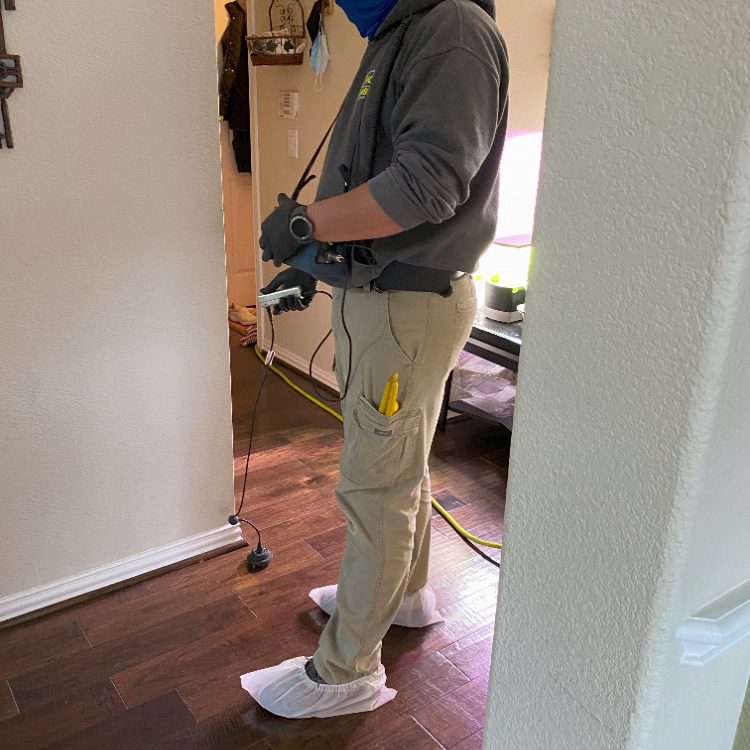
When you call a licensed company like ENCO Plumbing for gas line concerns, the process is structured to prioritize safety at every step. It typically begins with a thorough assessment using specialized leak detection equipment rather than relying only on smell or guesswork. Technicians may perform pressure tests on sections of the gas system to pinpoint leaks, inspect visible piping and connections, and evaluate the condition of shutoff valves, regulators, and appliance connectors.

Once the problem area is identified, the technician will determine whether repair or replacement is the safest option. For example, a single defective fitting might be replaced and re-tested, while an older, corroded line may need full replacement to prevent future leaks. In The Colony’s shifting soil conditions, underground gas lines sometimes require updated materials or installation methods to withstand movement. A professional will also ensure that any new piping is properly supported, protected from damage, and sized correctly for the appliances it serves.

After repairs are made, the system is not simply turned back on and left to chance. The gas line is typically re-pressurized and monitored to confirm it holds pressure without loss, indicating that leaks have been resolved. Connections are checked with approved leak-detection solutions or gas detectors, and appliances are relit and tested for proper operation and ventilation. Only when all these checks are completed will a reputable company consider the job finished. This meticulous process is what truly separates safe gas line repair from risky shortcuts.

Preventive Maintenance And Homeowner Habits

While you should never attempt complex gas line repairs yourself, there is a lot you can do as a homeowner to reduce risk and catch problems early. One key habit is to visually inspect accessible gas piping and appliance connections a few times a year. Look for rust, corrosion, kinks, exposed flexible connectors, or lines that appear to be under strain or rubbing against sharp edges. If anything looks questionable, call a professional to take a closer look rather than ignoring it.

Another important step is to ensure you have working carbon monoxide detectors and, where recommended, combustible gas detectors in your home. Place carbon monoxide alarms near sleeping areas and on each level of your home, and test them monthly. These devices provide an extra layer of protection, especially overnight when your senses are less likely to notice subtle odors or symptoms. For homes in The Colony with multiple gas appliances, this is a small investment that can make a major difference in safety.

Finally, schedule regular professional inspections of your gas system, especially if you have an older home, are adding new gas appliances, or have experienced foundation movement. ENCO Plumbing can evaluate your existing lines, connections, and shutoff valves, and recommend upgrades or repairs before a leak develops. Combined with safe daily habits—such as not storing flammable items near gas appliances, ensuring vents and flues are clear, and avoiding hanging heavy objects on gas lines—these measures create a comprehensive safety net around your home’s gas system.

Frequently Asked Questions

How do I know if a gas issue is an emergency? Any strong or persistent gas odor, hissing sound from a line, visible damage to gas piping, or sudden physical symptoms like dizziness and headaches in multiple people should be treated as an emergency. If you suspect a leak inside or near your home in The Colony, leave the building immediately, avoid using electrical switches or phones inside, and call your gas utility’s emergency number and 911 from a safe distance. After emergency responders and the gas company secure the scene, contact a licensed plumber such as ENCO Plumbing for inspection and repair.

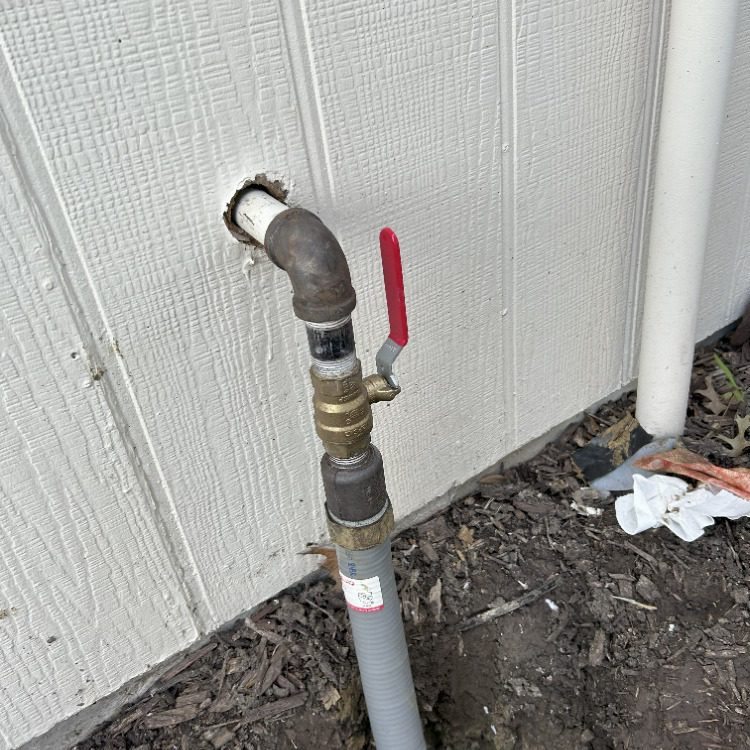
Can I shut off the gas myself if I smell a leak? If you know where your main gas shutoff valve is located outside and you can reach it safely without passing through a strong odor, you may turn it off by hand or with an appropriate wrench. However, your top priority should always be getting everyone out of the building first. Do not delay evacuation to search for valves, and do not attempt to shut off gas if you must move through a heavily affected area or operate switches or tools that could create sparks. When in doubt, leave it to the gas company and emergency professionals.

Is it safe to use soapy water to check for gas leaks? While professionals sometimes use approved leak-detection solutions on accessible joints, homeowners should be cautious. Applying soapy water to a suspected leak area can expose you to gas in a confined space and may cause you to overlook more serious issues elsewhere in the system. More importantly, a “negative” result with soap bubbles can create a false sense of security. For safety, if you suspect a leak, evacuate and call a licensed professional in The Colony, TX, rather than attempting your own testing.

How often should gas lines be inspected? For most homes, a professional inspection every few years is a reasonable baseline, but the ideal frequency depends on factors like the age of the home, the number of gas appliances, and any history of foundation movement or prior gas issues. If you are adding new gas equipment, remodeling, or purchasing an older home in The Colony, it is wise to have ENCO Plumbing perform a thorough gas system evaluation. Regular inspections can identify corrosion, outdated materials, or improper installations before they lead to hazardous leaks.

What other plumbing issues can affect my home’s safety? Beyond gas lines, hidden water leaks under the slab, corroded water lines, and failing drain systems can all compromise your home’s structure and indoor air quality. Moisture problems, for example, can lead to mold growth and foundation damage. Services like Slab Leak Detection help identify problems early, just as proactive gas system inspections help prevent dangerous leaks. Working with a trusted, licensed plumber in The Colony, TX, gives you a comprehensive approach to both water and gas safety throughout your home.

Leave a Comment

Your email address will not be published. Required fields are marked *

Call
Contact
Search Website
Powered By Click Wise Design
Contact
Call
Text
Email