Roughly one in five homes built on concrete slabs will experience some form of slab leak during their lifetime, yet many homeowners never notice the early signs until there is serious damage. By the time water finally surfaces or flooring buckles, thousands of gallons may have already seeped into the ground or under your foundation. In a place like The Colony, TX, where many homes sit on slab foundations and soil conditions can shift with heat and drought, spotting slab leak problems early is not just helpful—it can save you from major structural repairs and sky-high water bills.
Slab leaks are sneaky. They don’t always show up as dramatic floods or obvious puddles. Instead, they whisper: a faint hissing sound behind a wall, a small warm patch on the floor, a slight rise in your water bill, or a hairline crack that slowly widens over time. Homeowners often dismiss these clues as minor quirks of an older home or seasonal changes. ENCO Plumbing has seen many The Colony residents call only after months of subtle warnings. Understanding those early indicators and knowing when to call a professional can be the difference between a simple pipe repair and an expensive foundation restoration.
This guide walks you step-by-step through how to recognize slab leak symptoms before they escalate. We will look at visual signs, sound and temperature changes, how to use your water meter as a diagnostic tool, and what to watch for in your home’s structure. Whether your home is brand new or decades old, learning these early warning signs will help you protect your foundation, your budget, and your peace of mind.
Understanding What A Slab Leak Is
Before you can spot a slab leak, it helps to understand exactly what it is. In most homes in The Colony, TX, the water lines and sometimes drain lines are run under or through the concrete foundation slab. A slab leak occurs when one of these pressurized water pipes or lines begins leaking beneath the concrete. Because the water is trapped under or within the slab, it does not always show up where you expect, and the leak can continue unnoticed for weeks or months.
These leaks can be caused by several factors: aging pipes that corrode over time, shifting or settling of the soil beneath the slab, poor installation practices, or even high water pressure stressing joints and fittings. In North Texas, the heavy clay soil expands when wet and contracts when dry, putting ongoing stress on underground plumbing. This movement can gradually strain copper or other piping materials until they crack or develop pinhole leaks.
The danger of slab leaks lies not just in wasted water, but in the way they compromise your foundation. Water can erode the soil that supports the concrete, leading to voids, cracking, and uneven settling. Moisture can also travel into flooring, walls, and baseboards, encouraging mold growth and damaging finishes. That’s why ENCO Plumbing emphasizes early detection: finding a slab leak in its earliest stages usually means less invasive repairs and far lower costs.
Watching Your Water Bill And Meter
One of the most reliable early warning systems you already have is your own water bill. A slab leak is often continuous, meaning water flows even when every faucet and appliance is turned off. Over time, that constant flow shows up as an unexplained increase in usage. If you notice your bill creeping up for two or three consecutive months with no change in your household habits, that is a strong signal to investigate further.
To get more specific, you can use your home’s water meter as a diagnostic tool. Start by turning off all water-using fixtures and appliances inside and outside—sinks, showers, toilets, ice makers, washing machines, irrigation systems, and hose bibs. Once you are sure everything is off, go to your water meter and observe the dial or digital display. Many meters have a small “leak indicator” wheel that spins even with very low flows. If that indicator is moving when no water is being used, you likely have a hidden leak somewhere in the system.
For a more precise check, record the meter reading and leave all water off for 30 to 60 minutes. When you return, compare the readings. Any change suggests water is flowing somewhere it should not be. While not every hidden leak is a slab leak—some may be in walls or under sinks—this test is a simple way for homeowners in The Colony to justify calling ENCO Plumbing for professional leak detection before visible damage appears.
Subtle Changes In Floors, Walls, And Foundation
Slab leaks often leave clues in your home’s surfaces long before water actually pools or seeps through. One early sign is a localized area of flooring that feels slightly damp, warped, or softer than the surrounding area. In homes with laminate or engineered wood floors, you may notice planks starting to cup, buckle, or separate in a specific part of a room. Tile floors might develop loose tiles or grout lines that darken or crack as moisture works its way up from below.
Carpet can hide early moisture, but you might feel a slight sponginess underfoot or notice a musty odor that persists even after cleaning. In some cases, baseboards along a wall may start to swell, discolor, or pull away from the wall, suggesting that water is wicking upward from the slab. These changes can be gradual, so it is worth occasionally walking barefoot through your home and paying attention to how the floors feel in different areas.
Cracks in walls or ceilings are not always caused by slab leaks, but they can be related. If you see new cracks forming above doorways, along corners, or across ceiling lines—especially paired with doors or windows that start sticking or no longer latch smoothly—it may indicate foundation movement. When water from a slab leak washes away supporting soil, it can cause sections of the foundation to settle unevenly. ENCO Plumbing often collaborates with foundation specialists in The Colony when persistent plumbing leaks contribute to structural shifts, making early detection particularly important.
Unusual Sounds, Temperatures, And Odors
Not all slab leak clues are visible; some are heard or felt. A subtle but persistent sound of running or hissing water when all fixtures are off can point to a hidden leak. You might notice this most clearly at night when the house is quiet. Stand in different rooms and listen near floors, walls, and plumbing access points. If the sound seems to come from the floor or a lower wall area and does not stop, that is a sign worth investigating.
Temperature changes can also reveal a problem, especially if the leak is in a hot water line. Many homeowners in The Colony first suspect a slab leak when they feel a warm or hot spot on a tile or concrete floor. This warmth is created as hot water escapes and heats the slab above it. The area may be small at first, perhaps only a few tiles wide, and it might feel more noticeable in the morning when the rest of the floor is cooler. Over time, the warm zone can expand as the leak worsens.
Odors are another powerful early indicator. A musty, damp smell that lingers in one part of the house, particularly near lower walls or closets, can suggest hidden moisture. If the leak involves drain lines rather than supply lines, you might detect a faint sewage or “rotten” odor near floors or baseboards. While not every strange smell means a slab leak—HVAC issues, roof leaks, and poor ventilation can also cause odors—any persistent smell combined with other symptoms should prompt a call to a professional like ENCO Plumbing.
Changes In Water Pressure And Hot Water Supply
Many slab leaks, especially those on the pressurized supply side, will affect your home’s water pressure. You might notice that showers feel weaker, faucets take longer to fill a sink, or multiple fixtures running at once cause noticeable drops in flow. If this change is sudden and not related to city water work or known plumbing repairs, it can be a sign that water is escaping somewhere along the line before it reaches your fixtures.
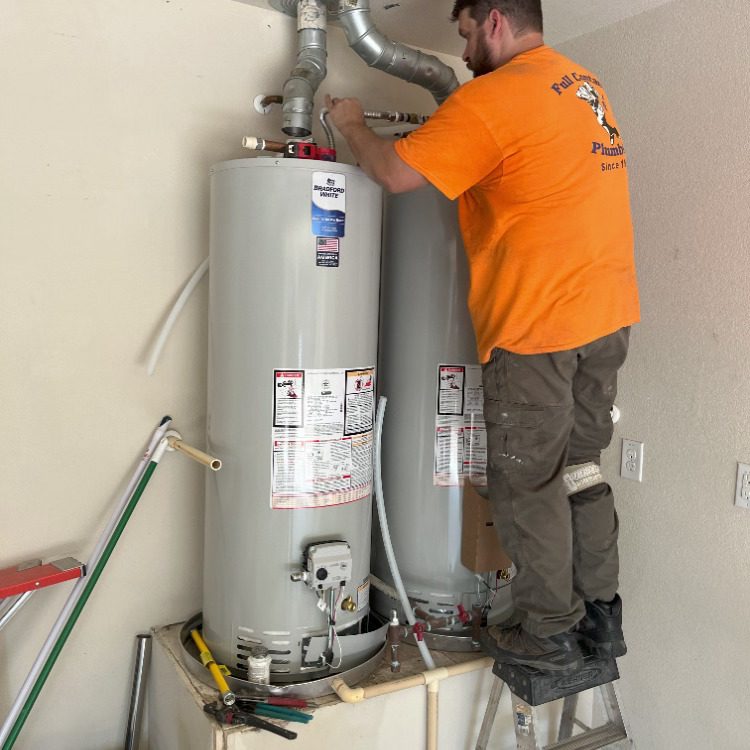
Hot water slab leaks have their own distinctive symptoms. Because hot water is constantly leaking out and being replaced by your water heater, you may run out of hot water faster than usual. The water heater may cycle more frequently, or you might hear it running at odd times, even when no one is using hot water. This not only wastes water but also increases your energy costs, as the heater works overtime to maintain temperature.
In some cases, you may also feel that hot water arrives more slowly at distant fixtures, or that the temperature fluctuates unexpectedly. When ENCO Plumbing technicians respond to calls in The Colony, they often ask specifically about changes in hot water behavior, as this can quickly narrow down whether the suspected slab leak is in a hot or cold line. Tracking these patterns over a few days can provide valuable information when you call for help.
What To Do If You Suspect A Slab Leak
Once you have spotted one or more of these early warning signs, the next steps are crucial. First, avoid ignoring the issue in hopes it will go away. Slab leaks virtually never resolve on their own; they only grow larger and more damaging. If you suspect a leak, start by documenting what you see and experience. Take photos of any cracks, warped flooring, or water stains. Note dates when you first observed unusual sounds, warm spots, or changes in your water bill.
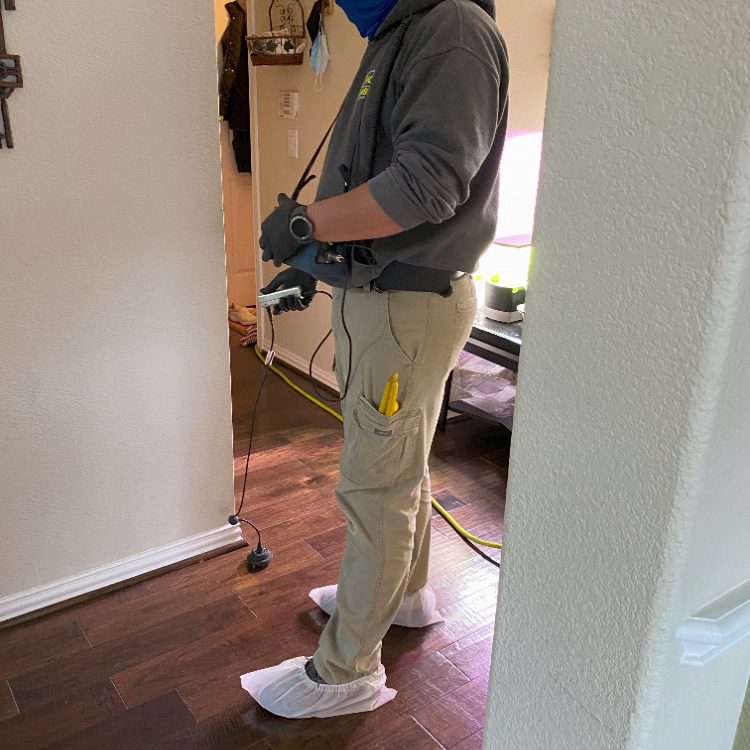
Next, perform the simple meter test described earlier: turn off all water usage and see if your meter continues to move. If it does, that confirms an active leak somewhere in the system. While you might be tempted to start breaking into walls or floors yourself, it is far better to call a licensed professional with specialized leak detection equipment. ENCO Plumbing uses tools such as electronic listening devices, thermal imaging, and pressure testing to pinpoint leaks with minimal disruption, which is especially important for occupied homes in The Colony.
In some situations, your plumber may recommend temporary measures to reduce damage while planning the repair. This might include shutting off the main water supply when not in use, adjusting water pressure, or rerouting certain lines. Modern repair options can range from spot repairs at the leak location to rerouting pipes through walls or ceilings, avoiding the slab altogether. The earlier the leak is found, the more repair options you typically have, and the less likely you are to face major foundation or flooring replacement.
Frequently Asked Questions
How can I tell if a higher water bill is from a slab leak or normal seasonal use? A single high bill could be due to seasonal changes like summer irrigation, guests, or filling a pool. To distinguish a slab leak, look for a pattern of unexplained increases over multiple months without any clear change in usage. Then perform the water meter test by turning off all water and checking if the meter still moves. If it does, and you do not see any obvious leaks at fixtures or outdoors, there is a strong chance the problem is hidden, potentially under your slab.
Are slab leaks common in The Colony, TX? Slab leaks are relatively common in areas like The Colony that have many slab-on-grade homes and expansive clay soils. The soil here can swell when wet and shrink during dry spells, putting ongoing stress on buried pipes. Over time, this movement, combined with age and water chemistry, can lead to pinhole leaks or cracks. ENCO Plumbing frequently responds to slab leak calls in the region, which is why early detection education is so important for local homeowners.
Will my homeowner’s insurance cover slab leak repairs? Coverage varies widely by policy and provider. Many policies may cover the damage caused by a sudden and accidental leak, such as ruined flooring or walls, but not necessarily the cost to access and repair the pipe itself. Others have specific endorsements or exclusions related to slab leaks. The best approach is to review your policy carefully and contact your insurance agent as soon as a leak is confirmed. ENCO Plumbing can often provide documentation and photos that help you file a more complete claim.
Do I always have to tear up my floors to fix a slab leak? Not always. While some repairs do require accessing the pipe through the slab, modern plumbing techniques often allow less invasive solutions. Depending on the location and extent of the leak, your plumber may recommend rerouting the affected line through walls or the attic, bypassing the slab altogether. In other cases, spot repairs can be done through a small access hole. The key is accurate leak detection up front, which helps minimize unnecessary demolition and keeps disruption to your home in The Colony as low as possible.
Can upgrading my plumbing or equipment help prevent future slab leaks? In some cases, yes. If your home has older piping materials that are prone to corrosion or failure, repiping specific sections or the entire home can significantly reduce the risk of future leaks. Installing a pressure-reducing valve can protect your pipes from excessive water pressure, and routine plumbing inspections can catch minor issues before they escalate. Some homeowners also choose to modernize systems like water heaters to improve efficiency and reliability; for example, exploring options such as Tankless Water Heaters can be part of a broader plumbing upgrade plan. Working with a trusted local company like ENCO Plumbing ensures that any improvements are tailored to the specific needs and conditions of homes in The Colony, TX.